

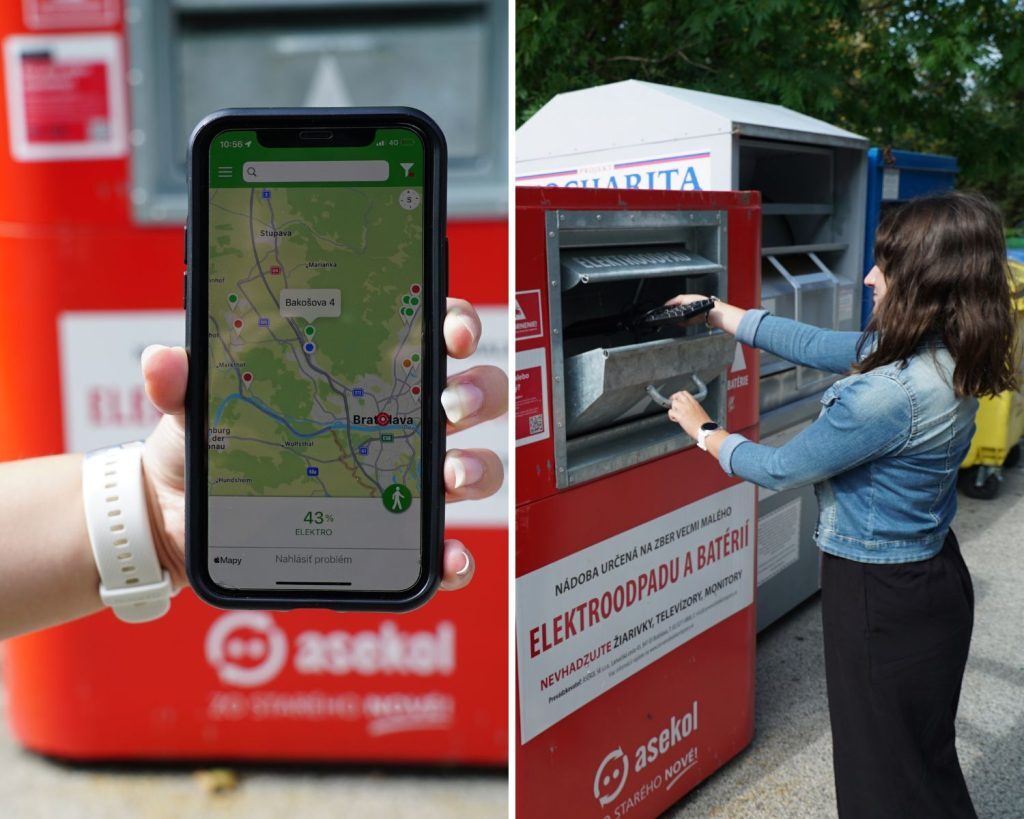
Getting rid of old electronics is one of those tasks that stays on the to-do list far longer than it should. Drop-off locations are inconvenient. Hauling heavy equipment across town takes time no one has. And most people are not sure what to do with items that do not fit neatly into a bin. An electronics recycling pick-up service solves all of these problems by bringing the recycling process directly to the source.
Whether you are a business clearing out a server room, a property manager dealing with leftover tenant equipment, or an organization managing a device refresh across multiple locations, a pick-up service removes the logistical friction that often stands between electronics and proper recycling.
What an Electronics Recycling Pick-Up Service Does
An electronics recycling pick-up service handles the collection, transportation, and recycling of old or unwanted electronic devices. Instead of requiring you to sort, box, and transport equipment to a drop-off point, the service sends a team to your location, loads the items, and handles everything from that point forward.
The scope of what a pick-up service accepts is typically broad. Most electronics recycling pick-up services handle:
- Desktop computers, monitors, and workstations
- Laptops and tablets
- Servers and networking equipment
- Printers, copiers, and fax machines
- Televisions and display screens
- Smartphones and mobile devices
- Cables, peripherals, and accessories
- Small appliances and other consumer electronics
For businesses with a large volume of equipment, scheduled or recurring pick-up arrangements make it possible to manage e-waste on a predictable timeline without disrupting day-to-day operations.
Why Pick-Up Services Make Electronics Recycling More Accessible
One of the primary reasons electronics end up in storage rooms, basements, or ultimately in the trash is that the logistics of recycling them feel complicated. An electronics recycling pick-up service removes that barrier entirely.
Convenience for Businesses
For any organization managing more than a handful of devices, coordinating drop-offs at an e-waste recycling facility is not a realistic option. Staff time is limited, equipment may be bulky or heavy, and the volume involved in a typical technology refresh can fill a truck rather than a few boxes.
An electronics recycling pick-up service scales to match the volume of the project. Whether the job involves a single floor of workstations or an entire building’s worth of equipment, the logistics are handled by the recycler rather than the client. That frees up internal staff to focus on their actual responsibilities rather than managing equipment removal.
Meeting Sustainability Goals
Many organizations have active sustainability commitments that include targets around responsible electronic waste and disposal. An electronics recycling pick-up service provides a documented pathway to meeting those targets. When recyclers provide confirmation of what was collected and how it was processed, that information feeds directly into environmental reporting.
Organizations that can demonstrate a clear, consistent process for electronics recycling are better positioned to communicate their sustainability practices to stakeholders, customers, and partners.
Avoiding Improper Disposal
Without a clear outlet for old electronics, the most common outcome is improper disposal. Devices get thrown in dumpsters, donated to organizations that eventually discard them anyway, or stored indefinitely because no one knows what else to do. An electronics recycling pick-up service creates a defined, responsible outcome for every device rather than leaving disposal to chance.
What Types of Electronics Are Collected
A full-service electronics recycling pick-up service is not limited to computers and phones. The category of e-waste is broad, and reliable services are equipped to handle the full range.
Office and IT Equipment
Computers, monitors, laptops, servers, printers, and networking hardware make up the bulk of what most businesses recycle. These items contain valuable materials including copper, gold, and aluminum, as well as components that require controlled handling such as certain types of display screens and batteries.
Office equipment like copiers and multifunction printers often contain hard drives or internal storage. Data destruction should be part of any electronics recycling pick-up service handling these items, since the storage components may retain sensitive information even after a device has been decommissioned.
Consumer Electronics and Televisions
Flat-screen televisions, gaming consoles, stereo equipment, and similar consumer electronics are accepted by most electronics recycling pick-up services. Older CRT televisions and monitors require particular attention due to the lead content in the glass, and specialized handling is needed to process them safely.
Television recycling is one area where a pick-up service provides particular value. Large screens are difficult to transport, and many drop-off locations do not accept them or charge additional fees for CRT units. A pick-up service comes to you and handles the weight and size without putting the burden on the customer.
Appliances and Mixed Electronics
Small appliances, power supplies, cables, and other mixed electronics round out the typical scope of an electronics recycling pick-up service. Rather than sorting items into separate categories and finding different outlets for each, a pick-up service simplifies the process by accepting the full range in one collection.
How to Prepare for an Electronics Recycling Pick-Up
Scheduling and completing an electronics recycling pick-up service is straightforward, but a few steps in advance help the process go smoothly.
Take Inventory
Before scheduling a pick-up, take stock of what needs to go. Knowing the approximate volume and types of equipment involved allows the recycler to send the right team and equipment for the job. A pick-up that involves only a few computers is handled differently than one that includes servers, displays, and large format printers.
Back Up and Wipe Data
Any device that contains storage should be backed up and wiped before it is handed off. For personal data on employee devices, a factory reset is a baseline step. For business equipment containing sensitive information, more thorough data destruction measures should be arranged either in advance or as part of the pick-up service itself.
Many electronics recycling pick-up services offer data destruction as part of their offering, including on-site wiping or physical drive destruction with documentation. If that is a priority, confirm the service includes it before scheduling.
Stage the Equipment
Having equipment gathered in one accessible area when the pick-up team arrives speeds up the process significantly. Items do not need to be boxed in most cases, but having them in a single location rather than spread across multiple floors or rooms reduces the time the team spends on-site.
Choosing the Right Electronics Recycling Pick-Up Service
Not all electronics recycling pick-up services operate the same way. When comparing options, consider the following:
Geographic coverage. Some services operate locally while others cover regional or national footprints. For organizations with multiple locations, a provider that can serve all sites under one program simplifies coordination.
Volume capacity. Make sure the provider can handle your volume without long scheduling delays. For large projects like full office cleanouts or technology refreshes, confirming capacity in advance avoids bottlenecks.
Data destruction capability. If any of the equipment being recycled contains sensitive data, ask specifically about how the service handles storage media. A reputable electronics recycling pick-up service should offer clear options for data sanitization and provide documentation.
Accepted item types. Confirm that the service accepts all of the equipment types you need to recycle. Some services have restrictions on certain items, such as CRT monitors or large appliances, so it is worth checking before scheduling.
Documentation and reporting. For organizations with sustainability reporting requirements, confirm that the service provides records of what was collected and how it was processed. Chain-of-custody documentation and weight reports are standard with professional electronics recycling pick-up services and give you the information needed to account for the recycling activity.
The Environmental Impact of Electronics Recycling Pick-Up Services
E-waste is one of the fastest-growing waste streams in the world. Electronics contain a mix of valuable recoverable materials and hazardous substances that require careful handling. When devices are properly processed through an electronics recycling pick-up service, those materials are recovered and kept out of landfills.
Metals including gold, copper, silver, aluminum, and palladium are extracted and reused in manufacturing. Plastics are recovered and processed. Hazardous materials such as lead, mercury, and cadmium are contained and handled through appropriate treatment rather than released into the environment.
The convenience of a pick-up service directly supports higher recycling rates. When the barrier to proper electronics recycling is reduced to a single phone call or online scheduling request, more devices get recycled rather than stored or discarded. That has a meaningful effect on the volume of e-waste diverted from improper disposal.
For businesses, facilities, and organizations looking to manage their electronic waste responsibly without adding operational complexity, an electronics recycling pick-up service is the most practical option available. It turns a task that often gets deferred indefinitely into one that is handled efficiently and correctly the first time.