

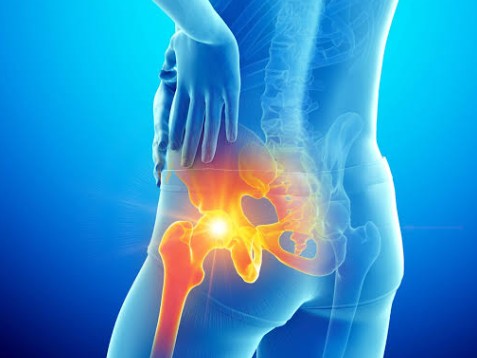
Hip and knee pain can influence nearly every part of a person’s routine. These joints work together to support body weight, absorb impact, maintain balance, and help the legs move through everyday activities. When pain, stiffness, weakness, or reduced mobility develops in either area, simple tasks may require more effort than usual.
Symptoms can result from overuse, an injury, age-related changes, muscle weakness, limited flexibility, or movement patterns that place additional stress on the joints. Some people notice discomfort only during exercise, while others experience symptoms when getting out of a chair, walking through a store, or completing household responsibilities.
Because the hips and knees are closely connected, a problem in one area may affect how the other joint moves. People may shorten their stride, shift weight to one side, or avoid bending the painful joint. Over time, these compensations can create additional discomfort and make normal movement feel less efficient.
Walking and Standing
Walking and standing require the hips and knees to repeatedly support and transfer body weight. Hip pain may make it difficult to take a full stride, rotate the leg, or remain upright for long periods. Knee pain can affect the ability to bend, straighten, and absorb pressure as the foot contacts the ground.
When symptoms interfere with these activities, people may begin walking more slowly or placing extra weight on the opposite side. While these changes may temporarily reduce discomfort, they can also affect balance and place greater demand on other muscles and joints.
A personalized hip pain treatment plan may focus on strength, mobility, balance, and the specific movements that influence symptoms. A physical therapist can evaluate walking mechanics and identify ways to improve movement without relying on unnecessary compensation.
Supportive footwear, regular position changes, and gradual increases in walking distance may also help people remain active within comfortable limits.
Going Up and Down Stairs
Stairs often place more demand on the hips and knees than walking on a level surface. Going upstairs requires the leg muscles to lift the body against gravity, while descending requires controlled bending to lower the body safely.
Knee discomfort may be especially noticeable when stepping down because the joint must manage a significant amount of force. Hip weakness or stiffness can also make it harder to lift the leg, maintain balance, or keep the pelvis stable.
People may compensate by pulling heavily on the handrail, turning sideways, or relying primarily on one leg. Although a handrail can improve safety, ongoing difficulty with stairs may indicate a need for professional evaluation.
An individualized program of physical therapy for knee pain may include exercises to improve lower-body strength, joint mobility, balance, and control during activities such as stepping and squatting. Treatment should be based on the person’s condition, goals, and tolerance.
Exercise and Recreation
Hip and knee pain can make people hesitant to participate in sports, fitness programs, and recreational activities. Running, hiking, cycling, dancing, gardening, and playing with children may all require repeated bending, pushing, turning, or impact.
Avoiding all activity is not always the best solution. A gradual and appropriate exercise plan can help maintain strength, mobility, cardiovascular health, and confidence. The key is selecting activities that match current abilities and do not consistently worsen symptoms.
Low-impact options may be more comfortable during a flare-up, but the right activity will vary by person. Warmups, rest days, appropriate equipment, and gradual increases in intensity can help the body adapt to physical demands.
Upper-body discomfort may also affect exercise participation, particularly when using weights, walking aids, or fitness equipment. In those situations, physical therapy for shoulder pain may help address mobility, strength, and movement limitations that interfere with a complete exercise routine.
Work and Everyday Activities
Many occupations require prolonged sitting, standing, walking, lifting, kneeling, or climbing. Hip and knee symptoms can make these responsibilities more difficult, especially when workers cannot change positions frequently.
Office employees may feel stiff after sitting for long periods, while healthcare workers, teachers, retail employees, and warehouse staff may experience discomfort from spending much of the day on their feet. Household tasks such as cleaning, carrying laundry, getting into a car, and rising from low furniture can also become challenging.
Practical adjustments may include taking short movement breaks, changing workstation height, using supportive footwear, or dividing demanding tasks into smaller sections. However, persistent pain, swelling, instability, weakness, or reduced mobility should not be ignored.
Hip and knee pain can affect far more than exercise. It can influence independence, work performance, sleep, and participation in meaningful activities. Understanding which movements trigger symptoms and seeking professional guidance when needed can help people develop a plan for moving more comfortably and confidently.