

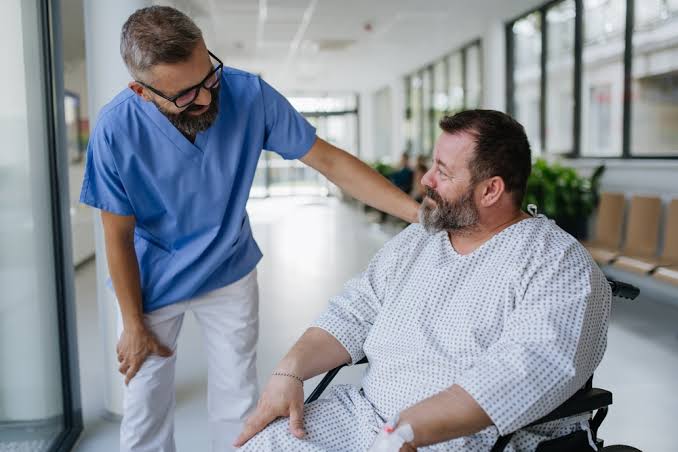
Finishing a treatment program is a real accomplishment. It’s also the moment many people feel most alone. The structure disappears, the counselors are gone, and old friends and habits are right where you left them. That gap between treatment and a stable life is exactly what recovery community centers are built to fill.
What Is a Recovery Community Center?
A recovery community center (RCC) is a peer-led, nonclinical hub where people in recovery can find support, connection, and practical help. Think of it less like a clinic and more like a home base. There’s no waiting room and no treatment plan to follow. Instead, there are people who understand what you’re going through because they’ve been through it too.
RCCs welcome people at every stage, whether someone has five days sober or fifteen years. They also support every pathway to recovery, including 12-step programs, faith-based groups, medication-assisted recovery, and approaches that don’t fit neatly into any category.
Why Community Matters So Much
Researchers use the term “recovery capital” to describe the internal and external resources that help someone stay well: stable housing, a job, supportive relationships, a sense of purpose. People with more recovery capital tend to sustain recovery longer.
Treatment can start that process, but it can’t finish it. Recovery capital gets built in everyday life, and RCCs make that easier by putting resources and relationships in one place.
There’s also something harder to measure: belonging. Many people in active addiction lose friendships, family trust, and their place in the community. Walking into a room where people greet you by name, without judgment, starts to rebuild that. Loneliness is one of the most common relapse triggers, and a community center gives people somewhere to go on the nights when staying home feels risky.
What You’ll Typically Find at an RCC
Meetings and Peer Groups
Most centers host or connect people to Alcoholics Anonymous, Narcotics Anonymous, Celebrate Recovery, and other peer groups. Having meetings in a familiar, welcoming space removes one more barrier to showing up.
Help With Work, School, and Money
Many people in early recovery are rebuilding from scratch. RCCs often offer employment support, GED tutoring, and financial literacy classes so people can regain independence, not just sobriety.
Support for Families
Addiction affects everyone in a household. Family resources, including Al-Anon groups, help loved ones set boundaries, heal, and learn how to support recovery without burning out.
Why Local Access Makes a Difference
In rural areas, and especially across Southwest Virginia, the nearest treatment provider or support group can be an hour’s drive away. A local center that brings meetings, peer support, and practical services under one roof can be the difference between staying connected and drifting away.
For anyone looking for a recovery community center in Virginia, Recovery Connections offers peer-led groups, employment and GED help, and family resources in a setting designed to feel like community rather than a clinic.
Frequently Asked Questions
Do I have to be in treatment to visit a recovery community center?
No. RCCs are open to anyone in or seeking recovery, including people who never went through formal treatment.
Is there a cost?
Most services at recovery community centers are free or very low cost.
Can family members come even if their loved one isn’t ready?
Yes. Family support is usually available whether or not the person who is struggling has asked for help yet.
Walk Through the Door Once
You don’t need a plan or a perfect track record to show up. Stop by, sit in on a meeting, and meet a few people. Recovery gets easier to sustain when you’re not carrying it alone, and one visit is often all it takes to realize you don’t have to.