

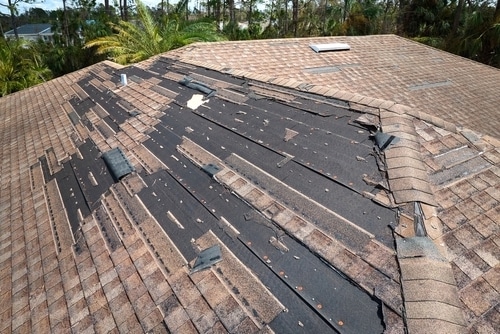
Roofing systems are designed to protect homes from the elements year after year, but many homeowners underestimate how much maintenance and planning are required to keep a roof performing properly. From weather exposure to aging materials, roofing problems can gradually develop until they become expensive emergencies.
Understanding how roofing systems work and what warning signs to monitor can help homeowners make better decisions about repairs, maintenance, and replacement timing. Whether a property is newly built or decades old, proactive roof care plays a major role in preserving comfort, safety, and long-term property value.
Why Roofing Problems Often Go Undetected
Many roofing issues begin in areas homeowners rarely inspect. Small cracks, damaged flashing, or missing shingles may not cause immediate leaks, which allows damage to slowly spread beneath the surface.
By the time interior signs appear, moisture may have already affected insulation, attic structures, drywall, or even electrical systems. This delayed visibility is one reason roofing problems often become more expensive than expected.
Several factors contribute to hidden roofing damage:
- Wind-driven rain entering small openings
- Aging materials losing protective strength
- Poor attic ventilation trapping heat and moisture
- Clogged gutters causing drainage overflow
- Storm debris damaging shingles and flashing
- Improper installation from previous repairs
Routine inspections can help identify these concerns before major structural issues develop.
The Role of Weather in Roof Deterioration
Weather exposure is one of the leading causes of roof wear. Seasonal temperature changes cause roofing materials to expand and contract repeatedly over time.
In regions that experience storms, heavy rainfall, humidity, or strong winds, roofing systems face even greater stress. UV exposure from sunlight also weakens certain materials gradually.
Some of the most common weather-related roofing problems include:
Wind Damage
Strong winds can loosen shingles, lift flashing, and expose underlayment materials.
Moisture Intrusion
Heavy rain may enter vulnerable areas around vents, chimneys, skylights, or damaged shingles.
Heat Retention
Poor ventilation traps attic heat, which accelerates roofing material deterioration and increases cooling costs.
Debris Impact
Tree branches and storm debris may puncture or scrape roofing surfaces.
Weather-related wear is unavoidable over time, but preventative maintenance significantly reduces the likelihood of severe damage.
How Proper Ventilation Supports Roof Performance
Ventilation is one of the most overlooked parts of roofing performance. A roofing system does more than sit above the home—it works together with insulation, attic airflow, and drainage systems.
Without proper ventilation, heat and moisture become trapped inside attic spaces. This can create several problems:
- Increased indoor cooling costs
- Premature shingle deterioration
- Moisture buildup in attic insulation
- Mold and mildew growth
- Reduced roof lifespan
Balanced airflow helps regulate attic temperatures while allowing moisture to escape properly.
Many homeowners focus only on visible roofing materials without realizing that airflow design affects long-term durability just as much as the shingles themselves.
Signs It May Be Time for Roof Repairs or Replacement
Not every roofing issue requires a complete replacement, but certain warning signs suggest professional evaluation is necessary.
Shingles Are Curling or Cracking
Aging shingles often lose flexibility and become brittle. Curling edges and visible cracking indicate material breakdown.
Frequent Leaks Are Appearing
Repeated leak repairs may suggest broader system failure rather than isolated damage.
Moss or Algae Growth Is Increasing
Excess moisture retention can contribute to moss and algae buildup, especially in shaded areas.
Sagging Areas Become Visible
A sagging roofline may indicate structural weakening beneath the roofing surface.
The Roof Is Near the End of Its Expected Lifespan
Most roofing materials have general lifespan expectations depending on installation quality and climate conditions.
When multiple warning signs appear together, replacement may offer better long-term value than repeated repairs.
Choosing Roofing Materials for Long-Term Value
Roofing materials vary widely in appearance, durability, maintenance requirements, and overall cost.
Asphalt shingles remain popular because they offer affordability and versatility. Architectural shingles provide a more dimensional appearance while improving durability compared to traditional three-tab products.
Metal roofing has also become increasingly common due to its energy efficiency and longevity. Some homeowners prefer synthetic roofing materials that replicate premium aesthetics while reducing maintenance demands.
Important considerations when choosing materials include:
- Expected lifespan
- Energy efficiency
- Wind resistance
- Maintenance requirements
- Appearance compatibility with the home
- Budget and long-term ownership plans
The best roofing solution often depends on balancing upfront investment with future maintenance expectations.
Why Exterior Systems Should Work Together
Roofing systems do not function independently. Gutters, siding, flashing, soffits, and ventilation components all influence overall exterior protection.
For example, clogged or poorly designed gutters can direct water toward the foundation or fascia boards. Damaged flashing around chimneys or roof penetrations may allow leaks even if shingles remain intact.
Homeowners researching exterior upgrades often benefit from reviewing complete roofing and exterior protection solutions together rather than treating each component separately.
When exploring options related to roofing Peachtree City, many homeowners look for providers that understand how roofing, drainage, ventilation, and exterior systems interact to improve long-term durability.
The Benefits of Preventative Roof Maintenance
Preventative maintenance is one of the most cost-effective ways to extend roof lifespan.
Simple maintenance practices can prevent expensive structural repairs later:
- Remove debris from valleys and gutters
- Inspect flashing annually
- Address small leaks immediately
- Trim nearby tree branches
- Monitor attic moisture levels
- Schedule periodic professional inspections
Many roofing issues become severe only after years of neglect. Catching problems early often reduces repair costs dramatically.
Planning Ahead Helps Reduce Financial Stress
Emergency roofing problems rarely happen at convenient times. Sudden leaks during storms or severe weather can create urgent repair needs that disrupt household budgets.
Planning ahead gives homeowners time to:
- Compare roofing materials carefully
- Research installation methods
- Budget for future projects
- Schedule work during favorable seasons
- Understand warranty options
Proactive planning also helps homeowners avoid rushed decisions during emergencies.
Conclusion
Roofing systems are a critical part of long-term home protection. From preventing moisture intrusion to improving energy efficiency and preserving property value, a properly maintained roof supports nearly every aspect of residential comfort and structural integrity.
By understanding common warning signs, prioritizing preventative maintenance, and choosing materials suited to local conditions, homeowners can avoid many of the costly surprises associated with roofing neglect.
Taking a proactive approach today often leads to fewer repairs, better efficiency, and greater peace of mind for years to come.