

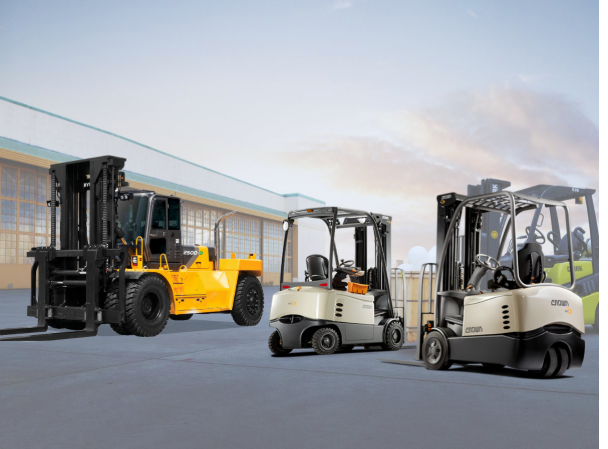
If you walk into any busy warehouse or distribution centre, you’re likely to see a mix of machines, some humming quietly, others rumbling with exhaust. The shift from traditional diesel-powered forklifts to electric ones isn’t just about reducing noise, but it’s about what kind of workplace you want to build.
If you’ve ever rented a warehouse handling equipment or planned a fleet for short-term use, you know how critical it is to match power with purpose. And increasingly, it needs to align with sustainability goals too. This is where electric and diesel forklifts take very different paths.
How Electric and Diesel Forklifts Operate
Electric forklifts are powered by rechargeable batteries, usually lead-acid or lithium-ion. There’s no tailpipe, no direct emissions, and the only noise is the soft whir of the motor. Diesel forklifts, on the other hand, run on internal combustion engines. They are loud, strong, and built to push through uneven terrain with ease.
At a glance, diesel seems more rugged, while electric feels cleaner, but that’s a simplistic way to look at it. The real differences start to emerge when you dig into day-to-day usage, maintenance patterns, and the kind of work each machine is expected to do.
Performance Comparison Between Electric and Diesel Forklifts
For outdoor use, diesel trucks are usually the best choice. Their engines can work through longer shifts without stopping to recharge, and they keep up their performance even in yards that are dusty and uneven.
Electric forklifts, on the other hand, work best inside, like in food-grade or cold storage buildings. They are great for indoor work because they have a small moving radius and don’t make a lot of noise. The air quality stays better for workers on the floor because they don’t create harmful exhaust.
Cost Analysis: Upfront, Running and Hidden Costs
Many people assume electric forklifts are expensive because of the battery. While it’s true the initial cost can be higher, the running cost tells a different story. Diesel prices fluctuate, and over months, the fuel cost alone can add up to tens of thousands. Electric forklifts run on electricity, which is generally more stable. Also, electric motors have fewer moving parts than combustion engines, so wear and tear is slower. That means lower maintenance bills over time.
Environmental Impact of Electric and Diesel Forklifts
Diesel forklifts contribute to both carbon and particulate matter pollution. In open areas, this might not seem like a big concern. But in semi-enclosed spaces, it can build up. Over time, exposure to these pollutants affects worker health, with headaches, irritation, and long-term respiratory issues becoming common.
Electric forklifts remove that risk. They don’t produce direct emissions, which makes them suitable for sectors that need strict hygiene, like pharma, FMCG, and warehousing for export goods. If your warehouse also uses hydraulic hand pallet trolleys, which are manually operated, an electric forklift is the perfect extension since both offer clean handling, minus the fumes or fluid spills.
Rental Considerations and What to Ask Before You Choose
Choosing between electric and diesel forklifts is more than just comparing different specifications alone. Especially when it comes to rentals, your questions should go beyond price and model availability.
Start with the work environment you plan to use the forklift in. If you’re operating indoors or in partially covered spaces, electric forklifts are better. But for outdoor yards or uneven ground, diesel could still be your best choice. The second consideration is runtime. If your operations run round the clock, you’ll either need swappable electric batteries or have backup machines ready.
The next part is the overall maintenance support. Some companies like Godrej RenTRUST, offer on-site maintenance, while others may expect you to do the most basic repairs yourself. If you have a diesel truck, this means checking the oil, cleaning the filter, and keeping an eye on the engine. Electric ones have fewer problems, but you need to keep an eye on the health of the batteries because overcharging or not storing them properly can shorten their life.
This is also where hybrid operations are worth thinking about. Many Indian warehouses today use a mix of diesel for loading bays, electric for interior lanes, and hydraulic hand pallet trolleys for quick, small moves between racks. A good rental partner should help you configure this mix, not just push whatever’s available.
When to Choose Electric Over Diesel (and Vice Versa)
Electric isn’t always the winner. In fact, for some short-term rental jobs, like outdoor freight unloading or construction-site handling, diesel forklifts still offer unmatched reliability.
But if you’re handling pharmaceutical cartons in Hyderabad, FMCG pallets in Noida, or e-commerce orders in Bengaluru, electric forklifts are usually the better long-term choice. They’re cleaner, quieter, and increasingly expected by large procurement teams concerned with ESG reporting.
Here’s a quick summary to help you choose:
- Choose electric if your operations are indoors, frequent, involve sensitive goods, or you’re trying to reduce your carbon footprint.
- Choose diesel if you’re on rugged terrain, need consistent power over long hours, or don’t have access to electric charging.
If you’re unsure, many rental providers like Godrej RenTRUST allow hybrid packages. A mix of warehouse handling equipment, including forklifts, trolleys, and stackers, can be customised based on floor layout and material movement patterns.
Final Thoughts
The diesel vs. electric debate isn’t new, but it’s becoming more urgent. And not because one machine is objectively better. The real difference is in how warehouse leaders think in terms of balancing cost, performance, worker safety, and sustainability in every equipment decision.
When you rent a forklift, don’t just ask the usual questions. Also, find out about uptime support, replacement cycles, and how the equipment fits in with the daily needs of your warehouse.