

In today’s competitive digital economy, businesses must do more than simply “be online” to grow. They need a structured, data-driven approach powered by comprehensive digital marketing services that work together to attract, convert, and retain customers. Growth-focused companies understand that sustainable success comes from integrating multiple strategies rather than relying on a single channel.
Digital marketing is no longer optional—it is a core business function. Below is a complete breakdown of the essential digital marketing services every business needs to scale efficiently and remain competitive in a constantly evolving marketplace.
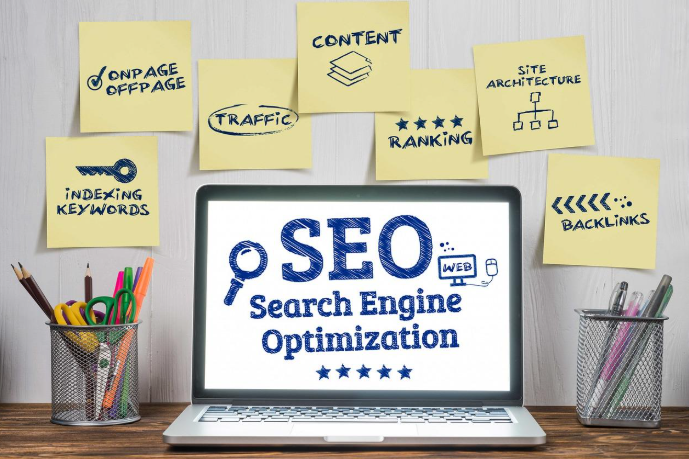
Image source: pixabay.com
1. Search Engine Optimization (SEO)
SEO is the foundation of long-term digital visibility. It focuses on improving a website’s ranking in organic search results so potential customers can find the business when they are actively searching for solutions.
Effective SEO services include technical optimization, keyword research, on-page content improvements, and link-building. These elements work together to improve search engine trust and relevance. While SEO takes time, it delivers compounding returns and reduces dependence on paid advertising.
For example, a service-based business that ranks on the first page for high-intent keywords can generate consistent leads without ongoing ad spend, making SEO one of the most cost-effective growth strategies.
2. Pay-Per-Click (PPC) Advertising
PPC advertising provides immediate visibility and measurable results. Platforms like Google Ads and social media advertising allow businesses to target specific audiences based on intent, demographics, and behavior.
PPC services involve keyword selection, audience targeting, bid management, ad creation, and ongoing optimization. When executed properly, PPC campaigns generate qualified traffic and fast conversions.
For instance, an e-commerce brand launching a new product can use PPC ads to drive immediate sales while SEO and content strategies build long-term organic growth.
3. Content Marketing
Content marketing builds trust, authority, and engagement by delivering valuable information to target audiences. It supports every stage of the buyer’s journey—from awareness to decision-making.
This service includes blog writing, videos, guides, case studies, and downloadable resources. High-quality content improves SEO, fuels social media, and nurtures leads over time.
As an example, a B2B company might publish educational blogs to attract decision-makers, then use in-depth whitepapers to convert those readers into qualified leads.
4. Social Media Marketing
Social media marketing allows brands to connect directly with their audiences and build long-term relationships. It combines organic content, community engagement, and paid social campaigns.
Effective social media strategies are platform-specific and aligned with brand voice and goals. They focus on consistency, engagement, and relevance rather than just follower counts.
For example, a lifestyle brand may use Instagram and TikTok for visual storytelling while leveraging LinkedIn for thought leadership and employer branding.
5. Email Marketing and Lead Nurturing
Email marketing remains one of the highest-ROI digital channels. It allows businesses to nurture leads, retain customers, and drive repeat sales through personalized communication.
This service includes list segmentation, automated workflows, email design, and performance tracking. Automation ensures timely and relevant messaging without manual effort.
For instance, an online retailer can send abandoned cart emails, personalized product recommendations, and post-purchase follow-ups to increase lifetime value.
6. Conversion Rate Optimization (CRO)
Traffic alone does not guarantee growth—conversions do. CRO focuses on improving the percentage of visitors who take desired actions, such as filling out a form or making a purchase.
CRO services include A/B testing, landing page optimization, UX improvements, and funnel analysis. Small changes in layout, copy, or calls to action can significantly impact results.
As an example, simplifying a checkout process or improving page load speed can increase conversions without increasing marketing spend.
7. Analytics, Tracking, and Reporting
Data-driven decisions are essential for sustainable growth. Analytics services ensure that every marketing effort is measurable and aligned with business goals.
This includes setting up tracking tools, dashboards, and reports that monitor KPIs such as traffic quality, conversions, acquisition costs, and ROI. Insights from data guide optimization and future strategy.
For example, analytics may reveal that certain channels drive traffic but not conversions, prompting a shift in budget toward higher-performing campaigns.
8. Marketing Strategy and Integration
The most successful businesses don’t treat digital marketing services as standalone tactics. Strategy and integration ensure that all channels work together toward shared objectives.
This service involves goal-setting, channel planning, budget allocation, and ongoing optimization. It aligns marketing efforts with broader business priorities.
For instance, a growth-focused company may use content and SEO to build authority, PPC to accelerate results, and email marketing to retain customers—all guided by a unified strategy.
Final Thoughts
Growth-focused businesses require a balanced mix of visibility, engagement, conversion, and retention to succeed in today’s digital landscape. Each component plays a critical role, but true scalability comes from integrating them into a cohesive system. Investing in comprehensive digital marketing services enables businesses to attract the right audiences, maximize ROI, and achieve long-term, sustainable growth in an increasingly competitive market.