

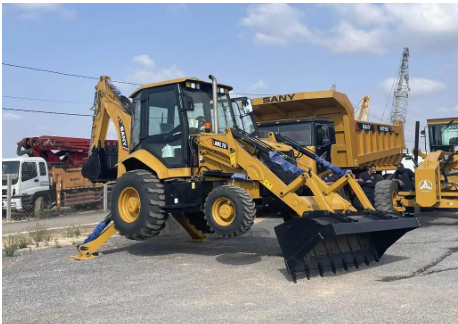
A backhoe loader stands out as one of the most useful and busy machines on any construction site. Crews rely on it for earthmoving, lifting, and precise digging in tight, demanding spaces. With a loader bucket in front and a backhoe at the rear, one operator can switch between tasks in seconds, which reduces downtime and the need for multiple machines. Contractors use backhoe loaders on building sites, road projects, utility works, and landscaping jobs. Their compact size, maneuverability, and range of attachments help teams finish tasks faster, save fuel, and cut overall project costs.
Core Functions of a Backhoe Loader on Construction Sites
On construction sites, a backhoe loader mainly digs, loads, and moves materials. It handles trenching, foundation work, backfilling, and lifting, supporting both heavy earthmoving and precise, controlled tasks.
Digging Foundations, Trenches, and Excavation Work
The backhoe on the rear of the machine handles most digging work on site. Operators use it to excavate foundations for houses, small buildings, and retaining walls with accurate depth control. Crews also dig trenches for water lines, gas pipes, electrical conduits, and drainage systems. The boom, stick, and bucket combination delivers a strong breakout force while still allowing fine control near existing structures. With extendable dippers, the backhoe can reach deeper without moving the machine often. This reduces ground disturbance and speeds up excavation. Quick repositioning and stable outriggers let teams complete multiple small digs in one shift.
Loading, Lifting, and Moving Construction Materials
The front loader bucket turns the backhoe loader into a powerful material handler. Operators scoop and transport soil, gravel, sand, and crushed stone for backfilling foundations and trenches. The loader also moves stockpiled aggregates, spreads base materials for driveways, and levels subgrades. With fork or grapple attachments, the machine can lift pallets of bricks, pipes, and construction supplies around the site. Contractors rely on this flexibility when larger wheel loaders are not practical. Precise hydraulic controls help place materials exactly where crews need them, which reduces manual handling, labor fatigue, and the number of separate pieces of equipment required.
Versatile Applications Across Different Construction Tasks
Beyond basic digging and loading, backhoe loaders support roadwork, utility installation, landscaping, and cleanup. Their compact size and wide attachment range make them a flexible choice for diverse construction projects.
Roadwork, Utility Installation, and Infrastructure Projects
Road crews use backhoe loaders for many key steps in roadwork and infrastructure jobs. The machine excavates for curbs, sidewalks, and drainage ditches, then backfills and compacts material around new structures. Operators break asphalt or concrete with hydraulic breakers, remove damaged sections, and load debris into trucks. On utility projects, the backhoe digs narrow trenches for sewer, water, and telecom lines, then restores the surface after installation. Its ability to travel quickly between locations makes it ideal for patching and small repair jobs along busy roads. Municipalities value backhoe loaders because one machine can tackle multiple daily tasks.
Site Preparation, Landscaping, and Ground Shaping
During site preparation, a backhoe loader clears vegetation, strips topsoil, and levels uneven ground. The loader bucket can cut high spots and fill low areas to create stable building pads and access roads. Landscapers use the machine to shape slopes, create swales, and build berms for water control and visual appeal. With grading and 4‑in‑1 buckets, operators spread topsoil, mulch, or gravel with a good surface finish. The backhoe digs planting holes for trees, retention ponds, and garden features. Because it can pivot quickly between loader and backhoe work, crews keep the machine productive through each stage of site development.
Demolition, Debris Removal, and Cleanup Operations
Backhoe loaders assist with light demolition and thorough site cleanup. Fitted with a hydraulic breaker, the backhoe can chip away concrete slabs, small foundations, and old pavements. Operators then switch to a bucket or grapple to load rubble, bricks, and scrap into dump trucks. The front loader scrapes and pushes loose debris into piles and removes waste material from tight corners and narrow access points. On renovation sites, the machine carefully dismantles smaller structures while avoiding damage to nearby buildings. This combination of controlled breaking, lifting, and loading speeds up cleanup operations and prepares the area for new construction.
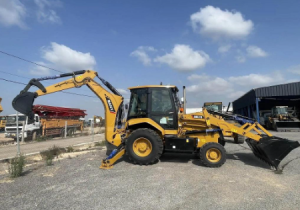
Advanced Uses That Improve Efficiency on Job Sites
Advanced attachments and smart operation techniques help backhoe loaders handle specialized tasks, reach confined areas, and reduce machine counts on site, bringing higher productivity and lower operating costs.
Using Attachments for Specialized Tasks
Attachments turn a standard backhoe loader into a multi‑purpose tool carrier. Augers drill precise holes for fence posts, sign bases, utility poles, and foundation piers. Hydraulic breakers handle concrete and rock demolition without bringing in larger hammers. Compaction wheels and plates densify backfill around pipes and foundations, improving soil stability. Brooms sweep streets and paved yards after construction work, keeping public areas clean. Grapples and thumbs grasp logs, pipes, and irregular debris safely. Quick couplers allow operators to change attachments rapidly, so one machine can switch from excavation to compaction or cleanup without long stoppages or additional equipment.
Working in Tight Spaces and Urban Construction Areas
Contractors choose backhoe loaders for busy, space‑limited urban projects. The compact wheelbase and tight turning radius let operators maneuver between buildings, parked cars, and existing utilities. Stabilizers keep the machine steady while digging next to walls, fences, and sidewalks. Road crews can set up quickly in narrow lanes, perform trenching or patching work, and then clear the area to restore traffic flow. Noise‑reduced engines and better exhaust systems help meet city regulations and reduce disturbance for nearby residents. Because one backhoe loader can handle several tasks, contractors limit congestion, lower transport costs, and meet strict timelines on urban job sites.
Conclusion
A backhoe loader delivers a rare mix of power, precision, and flexibility that suits many construction environments. It digs foundations and trenches, moves and loads materials, supports roadwork, and handles landscaping. With the right attachments, the same machine can break concrete, compact soil, sweep streets, and manage cleanup. Its maneuverability makes it valuable on crowded urban sites and smaller projects where large equipment will not fit. By combining multiple roles into one machine, contractors reduce fleet size, cut fuel and transport costs, and keep projects on schedule. For many construction teams, a backhoe loader remains an essential investment.