

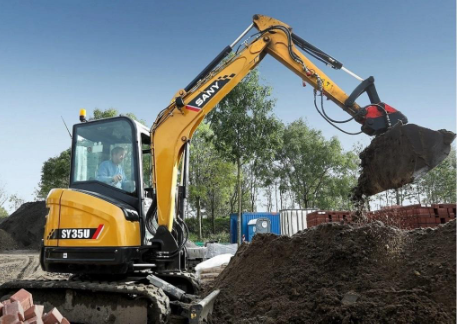
Mini excavators give contractors and landscapers powerful digging and lifting ability in a compact machine. Operators use them to speed up small to medium jobs, reduce manual labor, and access tight areas that larger equipment cannot reach. With the right attachments, one mini excavator can dig, grade, lift, break concrete, and clear debris in a single day. This versatility cuts costs and limits the number of machines needed on site. From residential backyards to busy urban projects, mini excavators support fast, accurate work while minimizing surface damage and disruption to surrounding structures, utilities, and landscaping features.
Key Uses of Mini Excavators in Construction Projects
On construction sites, mini excavators handle critical tasks like excavation, trenching, backfilling, and light demolition, while also supporting material handling, underground utility installation, and efficient site preparation in tight or sensitive areas.
Digging Foundations, Trenches, and Site Preparation
Contractors rely on mini excavators to dig foundations for small buildings, garages, additions, and retaining walls with precise depth and width control. Operators quickly cut trenches for water lines, electrical conduits, and drainage systems, limiting over-digging and reducing backfill needs. The compact size allows the machine to work close to existing structures without causing damage. Crews also use mini excavators for general site preparation, such as stripping topsoil, removing soft spots, and shaping building pads. This targeted excavation improves ground stability, speeds layout work, and prepares the site for concrete, footings, and slab placement with less manual digging.
Material Handling, Demolition, and Utility Installation
Mini excavators move soil, gravel, and aggregate around the jobsite, load trucks, and place materials exactly where crews need them. By using the boom and bucket, operators can lift pipes, place manholes, and position small precast components safely. These machines also tackle light demolition tasks, such as breaking concrete, removing small slabs, and pulling out old posts or footings with hydraulic breakers and grapple attachments. For utility installation, contractors dig and backfill trenches for sewer, water, gas, and electrical lines. The precise control helps avoid existing utilities, improves compaction around new pipes, and supports accurate grading for proper flow.
Practical Applications in Landscaping Projects
In landscaping, mini excavators streamline grading, planting, drainage, and hardscaping. They allow landscapers to reshape terrain, install features, and manage materials efficiently in residential yards and commercial outdoor spaces.
Grading, Leveling, and Terrain Shaping
Landscapers use mini excavators to grade and level yards, driveways, and garden areas with accurate slopes for drainage and aesthetics. The operator can cut high spots, fill low areas, and create smooth transitions between hard surfaces and planted zones. With a grading bucket or tilt bucket, the machine shapes berms, swales, and contours that guide water away from structures and add visual interest. This precise control helps prepare bases for patios, walkways, and lawns. By using a compact excavator instead of manual labor, crews complete terrain shaping faster, reduce fatigue, and deliver consistent results across the entire landscape.
Planting, Drainage, and Irrigation Installation
Mini excavators dig planting holes for trees, shrubs, and large plants, making it easier to handle root balls and place them at the correct depth. Crews can trench for French drains, dry wells, and catch basins to manage surface and subsurface water. The machine’s narrow buckets cut clean trenches for irrigation pipes and conduits without disturbing the surrounding soil more than necessary. This reduces repair work and keeps existing turf and plantings intact. Operators backfill around new drainage and irrigation lines with care, ensuring proper coverage and compaction so systems perform well and landscapes stay healthy and stable over time.
Hardscaping, Debris Removal, and Site Cleanup
For hardscaping, mini excavators help prepare bases for patios, retaining walls, steps, and walkways by excavating to grade and placing base materials. Operators can assist with setting large stones, boulders, and precast blocks, improving safety and alignment. During renovations, the machine removes old concrete, pavers, and landscape features, then loads debris into trailers or dumpsters. Grapple and thumb attachments help grab branches, roots, and construction waste for quick cleanup. This efficient debris handling keeps the site clear, reduces trip hazards, and speeds project progress. In tight yards, the compact size avoids damage to fences, lawns, and existing structures.
Versatility Across Multiple Tasks and Environments
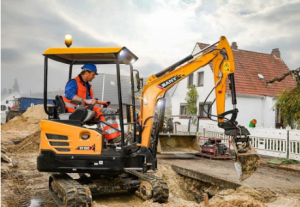
Mini excavators adapt to many job types and conditions, working efficiently in confined spaces, on sensitive surfaces, and across different terrains, while attachments expand their capabilities far beyond basic digging work.
Working in Confined Spaces and Urban Areas
Contractors use mini excavators where access is limited, such as narrow side yards, interior courtyards, and tight alleys. Zero-tail-swing designs allow rotation without striking nearby walls, vehicles, or structures. Rubber tracks reduce surface damage on paved driveways, sidewalks, and finished yards, which is important in dense urban neighborhoods. Operators can maneuver through gates and between buildings that larger machines cannot pass. This capability reduces manual digging, lowers labor costs, and shortens project timelines. Mini excavators also operate with lower noise and emissions than larger equipment, helping crews meet local regulations and minimize disturbance to neighbors and businesses.
Using Attachments to Expand Functionality
Attachments turn a mini excavator into a multi-purpose tool carrier. Buckets of different sizes handle trenching, grading, and cleanup. Hydraulic thumbs and grapples grab logs, rocks, and debris. Augers drill post holes and footings for fences, decks, and signs. Breaker hammers remove concrete, asphalt, and rock. Compaction wheels or plates help compact backfill in trenches and around foundations. Quick-coupler systems let operators change attachments in minutes, so one machine can handle several tasks in a single day. This flexibility reduces the need for extra equipment, saves transport costs, and allows crews to adapt quickly as job-site conditions change.
Conclusion
Mini excavators play a key role in modern construction and landscaping by combining power, precision, and compact size. They handle core tasks like excavation, grading, trenching, and light demolition while also supporting planting, drainage, and hardscaping work. With the right attachments, one machine can replace several specialized tools and reduce manual labor. Their ability to work in tight spaces and sensitive environments makes them ideal for residential and urban projects. By choosing suitable models and attachments, contractors and landscapers can increase productivity, control costs, and deliver clean, accurate results on a wide range of project types.