

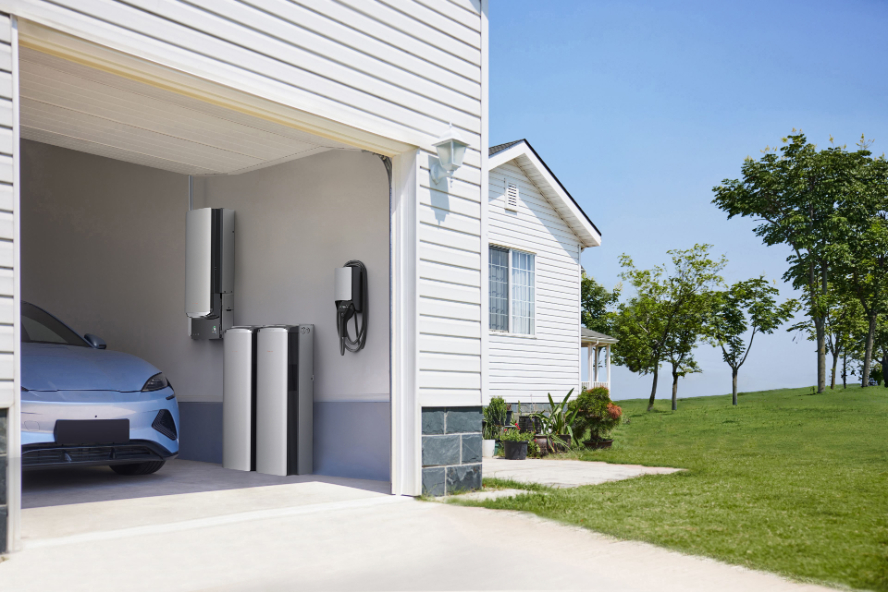
American households grapple with diverse climates. This makes reliable power management a top priority from coast to coast. Heading into 2026, the local energy landscape looks completely different. Aggressive utility rate hikes and rapid electric vehicle adoption force families to rethink consumption. True energy self-reliance is no longer an experimental hobby. Instead, it is a fundamental financial strategy to stabilize monthly overheads. The market has pivoted toward adaptable setups that match shifting lifestyles. These systems give residents total control. Opting for fluid, expandable systems ensures long-term operational efficiency. A flexible foundation allows homeowners to adapt smoothly to upcoming technology updates.
The shift towards renewable independence
Harvesting rooftop solar means very little if a house lacks the means to store that energy for nighttime operations. Sending surplus generation back into the local grid during peak hours often yields minimal financial return. Integrating a high-performance solar battery updates a standard setup into an independent, 24-hour powerhouse. This approach lets homes run heavy appliances on clean reserves long after sunset. As home power requirements climb over time, choosing an expandable unit becomes a massive asset.
Understanding modular power designs
Residential energy storage has moved beyond the limitations of fixed-capacity systems. Modern battery platforms increasingly rely on modular architecture, allowing homeowners to expand storage capacity as electricity consumption grows over time. This approach gives families the flexibility to adapt their energy systems alongside new appliances, electric vehicles, and changing household needs.
One example of this scalable approach is the EcoFlow OCEAN Pro, a modular whole-home energy storage system designed to support evolving power requirements. Built with 10kWh battery modules, the system can scale up to 80kWh per system to match growing household demands. With 24kW of continuous output, it is designed to support demanding household loads such as central HVAC systems and EV charging. Through intelligent energy management, the system can optimize solar storage and grid usage to help homeowners make better use of available energy.
Core benefits of scalable home battery storage
Stepping up residential storage capacity yields returns that go far beyond basic blackout protection. Incorporating an expandable home battery framework offers distinct, practical advantages for forward-thinking homeowners.
Adapting to lifestyle changes
Household dynamics shift constantly as families grow, electronics multiply, or remote work demands extra daytime climate control. Flexible setups handle these changing profiles smoothly without demanding massive upfront investments. Homeowners simply add a compact storage block whenever actual kilowatt-hour consumption demands it. This phased expansion keeps upfront expenses manageable while tracking real-world needs perfectly.
Navigating modern grid instability
Severe weather events, including wildfires, hurricanes, and extreme heat, regularly trigger unexpected blackouts across various state grids. Operating an expandable, high-capacity reserve keeps core household circuits fully functional during these prolonged outages. Residents gain peace of mind knowing critical devices will not cut out when the main grid fails. Expanded limits directly extend the hours a home can run independent of external supply lines, ensuring consistent power continuity.
Maximizing self-consumption rates
Net metering policies have changed significantly across the country, meaning exporting power often yields minimal financial credit. The strategy involves consuming every single watt a roof generates right inside the building. Higher storage limits let households hoard midday generation for expensive evening peak windows. This can help reduce reliance on expensive peak-hour electricity and improve the long-term economics of renewable investments.
Enhancing property value
Modern homebuyers actively look for properties equipped with advanced energy solutions that safeguard against future inflation. An expandable storage framework adds tangible value to a house because it demonstrates a clear pathway toward long-term efficiency. Buyers appreciate a property ready to absorb future technological upgrades without requiring extensive structural modification.
Key factors driving scalability in 2026
Several evolving domestic trends are actively forcing American households to seek out expandable power solutions. The current landscape demands systems that handle significant future growth without straining baseline layouts.
Electric vehicle integration
The transition away from combustion engines represents a major catalyst for residential energy upgrades. Charging an electric car at home consumes a massive amount of electricity, often doubling a property’s standard daily load. A scalable system allows for adding battery modules specifically timed with an EV purchase. This ensures the vehicle runs on stored sunshine instead of pulling expensive power from the grid overnight.
Smart home automation demands
Living spaces now feature complex networks of connected devices, automated climate controls, and advanced security systems that run continuously. These steady low-draw loads gradually drain energy reserves over a 24-hour cycle. Expandable storage setups easily accommodate these creeping power demands, ensuring the smart home functions flawlessly without straining primary electrical boundaries.
Changing utility rate structures
Time-of-use rates are becoming standard practice across numerous electricity markets, heavily penalizing power draw during specific hours. By increasing storage volume incrementally, households can completely avoid these premium billing windows. This dynamic approach allows you to treat expanded storage as an active financial tool rather than just a passive emergency backup asset.
Exploring expansion options efficiently

When planning to grow an existing setup, understanding specific regional variables is absolutely essential. Factors like roof shading, local weather patterns, and specific household wiring setups play a massive role in determining the ideal layout. Working with a qualified solar installer near me can help homeowners evaluate their electrical capacity, solar production, and future battery expansion options before investing in a scalable energy system. Regional professionals can provide valuable guidance on how much additional storage capacity a property can realistically support. They can also help develop a phased expansion plan that balances current budgets with long-term electrification goals.
Financial realities of modular setups
Investing in scalable infrastructure makes excellent economic sense today. Instead of sinking a massive sum into an oversized system on day one, you can spread the cost out. This softens the overall budget impact on household finances. By 2026, regional incentives and utility programs may further improve the affordability of residential battery storage. Homeowners should explore available options in their area, including programs such as:
- California: The Self-Generation Incentive Program (SGIP) offers robust rebates for residential battery storage.
- Texas: Austin Energy’s Power Partner℠ program provides credits for eligible battery systems and smart energy devices.
- Florida: While statewide storage incentives are limited, specific local utility programs occasionally offer rebates for battery integration.
Building a system piece by piece ensures capital is spent only when extra capacity is genuinely required. This optimizes cash flow while building a shield against unpredictable electricity inflation.
Conclusion
Future-proofing a residential energy ecosystem requires maintaining flexibility in a fast-changing world. Embracing modular storage solutions keeps homes perfectly equipped for tomorrow’s infrastructure or weather challenges. Scalable designs offer ultimate control over domestic utilities. They easily accommodate a new electric vehicle or guard against grid instability. You have the power to define energy independence at your own pace. This approach suits personal budgets and modern lifestyles perfectly. Starting small and planning carefully allows resilient home power networks to grow seamlessly. Ultimately, this provides long-term reliability alongside your family’s evolving needs.