

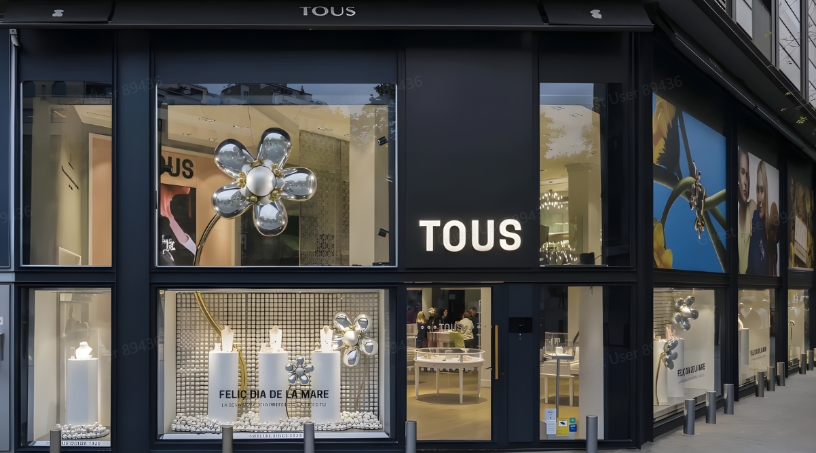
For physical stores, the first impression is the one that can make a passerby a visitor. A well-planned storefront can convey a brand’s personality, values, and campaign message even before a customer enters the store. This is where visual merchandising is not just about decoration; it’s about brand presentation. Brands can turn ideas into memorable retail spaces by using creativity, engineering, high-end materials, and execution, which helps to reinforce recognition and develop a unified brand identity for all stores.
The Role of Visual Storytelling in Modern Retail
All great retail spaces start with an idea. From seasonal collections to new product launches and celebrating festive events, brands use visual storytelling to establish a meaningful relationship between their offering and the surrounding world.
Display is not about showcasing products, but telling a story. Colors, lights, textures, sculptures and display layouts are carefully selected to help emphasize the desired message. A luxury fashion campaign could focus on a sense of elegance, using sleek fabrics and subtle design. In contrast, a holiday promotion might take a more extravagant route with larger decorative pieces that evoke a feeling of joy and festivity.
Consistency is also an important part of creating a successful visual story. If more than one store is in different cities or countries, and both are of the same quality and are designed according to the same standard, the consumer will not be able to distinguish the location and will have a unified brand. This uniformity enhances brand recognition while preserving the high-end branding that brands strive to build.
From Creative Concepts to Precision Manufacturing
A great presentation starts with an idea, and the idea must be translated into a real exhibition, which requires technical know-how as well as creativity. The process includes several stages, each of which is carefully managed to ensure the quality of the design and the reliability of the structure.
Most professional visual merchandising projects are subject to a production process which involves concept development, engineering, prototyping, fabrication, finishing, packaging and installation. Each phase plays a role in producing displays which are true to the original design and yet satisfy the practical needs for transportability, durability and installation.
Essential Stages of Display Development
- Development of creative concepts through sketches, reference images and campaign briefs
- Technical engineering including detailed production drawings and material specification.
- Creating prototypes for design validation prior to full production
- Specialized manufacturing techniques for precision manufacturing.
- Control of quality prior to packaging and shipping
- Coordinated installation for accurate final presentation
The seamless integration helps to minimize production risks and ensure that brands have high-quality standards throughout the entire rollout of a campaign.
Designing Memorable Visual Merchandising Displays
The visual merchandising displays are far more than just decorating a retail window. Each element should be a part of an overall balanced presentation that not only showcases products, but communicates the campaign concept.
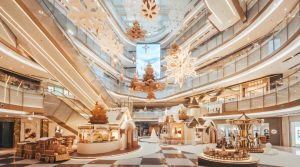
If you’re looking to make a statement, large sculptural installations are a great way to draw attention to your luxury storefront from afar. Branded signage, display pedestals, lighting details and architectural elements help to guide the viewer’s attention and don’t overpower the product.
Choices of materials are also crucial to the desired visual effect. Fiberglass can be used to produce a sculptural shape with impressive durability, while acrylic can be used to produce transparent showcases that emphasize sophistication. Metal can provide clean architectural lines and premium finishes, while wood can provide warmth and craftsmanship that are a great fit for many retail spaces.
Most modern displays do not use just one fabrication method; they use multiple methods to add depth and interest. This multi-layered system enables the design of unique shapes, high-quality finishes and long-lasting installations, ideal for flagship stores, exhibitions and seasonal campaigns.
Choosing Materials That Balance Creativity and Performance
A retail display is not just about its design, but also the materials used in its manufacturing. Several different fabrication techniques can be used, depending on the type of display being produced, which is why it is crucial to have material expertise in professional display fabrication.
For manufacturers who have several production facilities in-house, they can advise on the material they should use depending on the structure, finish, installation and transport. This method will not only preserve the design integrity, but also help to guarantee the long-term performance.
Common Materials Used in Premium Display Production
- Fiberglass/FRP for lightweight sculptural installations.
- High-quality materials such as stainless steel, brass and aluminum for high-quality structural parts.
- CNC-cut Acrylic for Transparent and Illuminated Displays
- Hardwood, veneer and engineered wood for custom furniture and display fixtures
- Marble and natural stone for luxury presentation areas.
- Paper craft, flowers, bamboo and rattan for art installations during the festive season
When paired together, these materials can be used to produce displays with unique finishes, textures and sizes that will last throughout a promotion.
Managing Large-Scale Retail Display Projects Efficiently
Projects become more complex with retail campaigns going to more than one site, and a project coordinator becomes more important. Quality manufacturing is not the only factor in consistent execution – careful planning, from the initial design discussions to final installation, is also needed.
Project management ensures effective communication between the designers, engineers, production teams, logistics providers and installation specialists. This approach reduces delays and guarantees that all displays are up to a certain standard.
Another good step is prototype approval prior to full production. Creating a physical sample will enable design changes to be made before the start of large-scale production, minimizing the risk of expensive revisions later in the process.
Careful attention should also be paid to international distribution. Custom export packaging, precise labelling, freight coordination and installation instructions help ensure that all components arrive safely and are capable of being assembled as per the original design intent. These factors are especially relevant for global luxury brands that need to execute the campaigns in the same way in many markets.
Firms like VM Display Solutions have developed expertise in this entire production process by integrating their design development, engineering, fabrication, quality inspection and global delivery in one coordinated process. This integrated approach helps to streamline complex retail display projects and ensure uniform craftsmanship when rolling out across international markets.
Building Long-Term Brand Value Through Exceptional Display Design
Retail displays are so much more than a short-term promotional fixture. They’re tangible manifestations of a brand’s creativity, craftsmanship and attention to detail. Each well-designed prop, sculptural element, season-specific installation, and storefront appearance all play a part in customer perception of quality and will link to the brand.
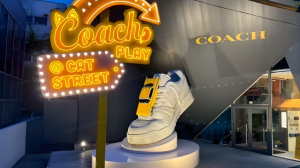
With the constant transformation of the retail landscape, brands are more demanding when it comes to display solutions that are both artistically creative and manufactured with precision. With bespoke production methods, advanced fabrication techniques and premium finishing methods, bold design concepts can be converted to lasting installations with no loss of visual impact.
Thoughtfully designed visual merchandising creates memorable storefront experiences that go beyond individual campaigns and, therefore, brand investment. This uniformity of experience throughout flagship stores, pop-up spaces and seasonal activations helps to strengthen identity and create better recognition in crowded retail markets.
Conclusion
It takes more than good looks to bring brand ideas to life. Creative storytelling, technical engineering, quality materials and precise manufacturing are all the elements that make up a successful retail display, which turns ideas into engaging physical experiences. From initial concept sketches and prototype development to fabrication, global delivery and installation, each step helps ensure that displays are a true representation of a brand.
Together, these elements create a symphony of visuals that can transform the appearance of a storefront, reinforce brand identity, and improve the overall retail experience. Brands can turn their creative ideas into stunning display solutions that make a lasting visual impact because of the expertise of their manufacturing partners and the controlled manufacturing process.