

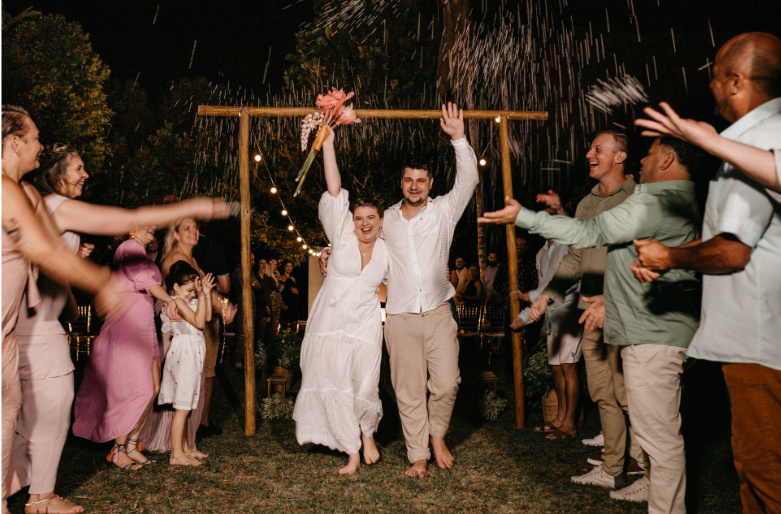
Music has a unique way of shaping memories. Long after a wedding day has passed, certain songs can instantly transport couples and guests back to the ceremony, the reception, or a special moment shared on the dance floor. Because music plays such an important role in setting the tone of a wedding, selecting the right songs deserves thoughtful consideration. The best wedding soundtrack reflects the couple’s personality, enhances key moments throughout the celebration, and creates an atmosphere that guests will remember fondly.
With so many song choices available across countless genres and eras, the selection process can feel overwhelming. However, approaching it strategically can help couples build a meaningful playlist that feels authentic rather than simply trendy. By focusing on personal significance, event flow, and guest experience, couples can choose music that complements every stage of their wedding day.
Start With Your Personal Story
One of the best ways to begin selecting wedding music is by looking at the relationship itself. Every couple has songs that hold special meaning, whether they were played during a first date, a memorable trip, or another significant milestone.
Personal connections often make songs more meaningful than simply choosing what is currently popular. A track that reminds the couple of an important memory may have a greater emotional impact than a chart-topping hit that lacks personal relevance.
Creating a list of meaningful songs can also help establish a foundation for the entire wedding playlist. Some may be ideal for the ceremony, while others may fit better during the reception. The goal is not to fill every part of the wedding with sentimental choices, but rather to ensure that the music reflects the couple’s unique journey.
Wedding planning often emphasizes visual details such as flowers, attire, and décor, but music can be just as effective at expressing personality. Just as couples carefully select elements like invitations, centerpieces, and mens wedding bands to reflect their personal style, their music choices should also feel authentic to who they are.
Match Music to Each Wedding Moment
Every stage of a wedding serves a different purpose, and the music should support the mood of each moment. A successful wedding soundtrack considers how music functions throughout the event rather than treating the playlist as one continuous collection of songs.
The ceremony typically calls for music that feels meaningful and emotionally appropriate. Processional songs should support the significance of the entrance while allowing guests to focus on the moment itself. Recessional songs, by contrast, are often more celebratory and energetic, reflecting the excitement following the exchange of vows.
Cocktail hour usually benefits from lighter, more conversational music. Guests should be able to talk comfortably while still enjoying the atmosphere. Jazz, acoustic covers, and soft contemporary selections are popular choices because they create energy without dominating the space.
Reception music often demands the most planning. Grand entrance songs, first dance selections, parent dances, dinner music, and dance floor favorites each contribute to different parts of the celebration. Selecting songs specifically for each segment helps maintain a natural flow throughout the event.
Consider the Overall Mood You Want to Create
Many couples begin by choosing individual songs, but it can be equally helpful to think about the overall emotional experience they want guests to have. Music has the power to influence energy levels, encourage participation, and establish the character of the event.
Some couples envision an elegant and sophisticated atmosphere, while others prefer a lively celebration that keeps guests on the dance floor for hours. Neither approach is inherently better—the important thing is maintaining consistency with the couple’s vision.
When evaluating songs, it can be useful to ask whether each choice supports the desired atmosphere. A song may be popular, but if it clashes with the tone of the event, it may feel out of place. Similarly, a meaningful song might work wonderfully during dinner but disrupt the energy of a crowded dance floor.
Thinking about mood also helps simplify decision-making. Rather than selecting songs individually from an overwhelming number of options, couples can focus on building playlists that support specific experiences throughout the day.
Balance Personal Preferences With Guest Enjoyment
A wedding ultimately celebrates the couple, but guest experience should still be considered when selecting music. Striking the right balance between personal taste and broad appeal helps create an enjoyable atmosphere for everyone in attendance.
This does not mean couples need to abandon their favorite genres or choose songs solely because they are popular. However, including a variety of music styles can help engage guests of different ages and backgrounds.
Many successful wedding playlists mix classics with modern songs, creating opportunities for multiple generations to participate. Familiar songs often encourage guests to join the dance floor, while personal favorites help maintain authenticity.
It is also worth considering the event’s demographics. A wedding with a large family presence may benefit from more universally recognized songs, while a smaller gathering of close friends might support more customized selections.
The most memorable wedding playlists often strike a balance between familiar favorites and meaningful personal choices, allowing guests to connect with the celebration while still reflecting the couple’s individuality.
Work With Your DJ or Band Strategically
Professional DJs and live bands bring valuable experience to wedding music planning. They understand how to read a room, maintain momentum, and adapt to changing energy levels throughout the event.
Rather than providing only a list of songs, couples should communicate their broader preferences and goals. Sharing favorite genres, must-play tracks, and songs to avoid helps music professionals create a more personalized experience.
Experienced DJs and musicians can also suggest alternatives that fit a similar style if certain songs do not work well in a live setting. Their expertise often helps couples discover options they may not have considered on their own.
Creating both a “must-play” list and a “do-not-play” list can be particularly useful. This approach provides direction while still allowing professionals the flexibility to respond to guest engagement and maintain a strong atmosphere throughout the reception.
A collaborative relationship with entertainment providers often results in a smoother and more enjoyable experience for everyone involved.
Conclusion
Choosing the right songs for a wedding involves more than simply selecting favorite tracks. The most effective wedding playlists reflect the couple’s story, support key moments throughout the day, create the desired atmosphere, and encourage guests to participate in the celebration.
By approaching music selection thoughtfully and considering both personal meaning and event flow, couples can create a soundtrack that enhances every part of their wedding experience. Years later, those songs will continue to serve as reminders of one of life’s most meaningful milestones, helping preserve memories that last long after the final dance has ended.