

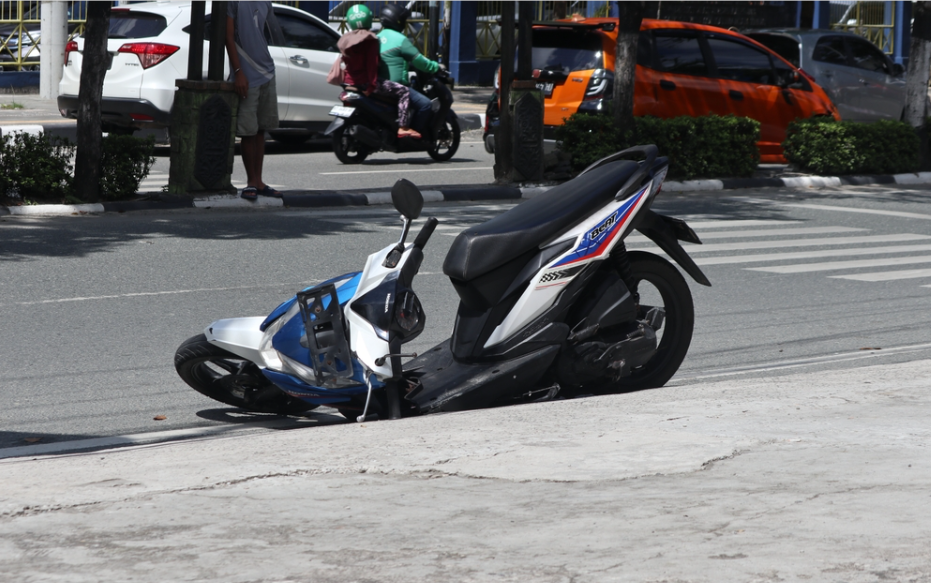
The hardest part of a motorcycle accident claim is not always the crash itself. Problems can surface later, especially if the facts are disputed, the insurance company questions the injuries, or another driver refuses to accept responsibility. Medical treatment, lost income, bike damage, and other losses can also make it harder to calculate the full impact of the accident.
Riders may even face assumptions about their behavior that do not match the actual evidence. In serious cases, legal help with a motorcycle crash claim can assist with reviewing evidence, fault, insurance matters, and damages. Several factors can make these claims more difficult to resolve.
Fault May Be Difficult to Prove
A motorcycle crash does not always leave a clear answer about who caused it. A driver may blame the rider for changing lanes, running a light, or speeding, while the rider may have a different account.
Police reports, photos, traffic footage, witness statements, and vehicle damage can help show what happened. An attorney can review the evidence for conflicts.
Motorcycle Riders May Face Bias
Motorcyclists sometimes face the assumption that they must have been riding recklessly. That belief can enter an insurance dispute even when the facts do not support it.
A claim should be based on crash evidence, not opinions about motorcycles or riders. Witness statements, road conditions, signals, and vehicle positions can provide a clearer picture.
Serious Injuries Can Complicate the Claim
A motorcycle offers less protection than a passenger vehicle, so a crash can lead to injuries. Treatment may continue for weeks or months, with costs reaching beyond the first hospital visit.
Medical costs may include emergency care, visits, therapy, and medication. A rider may miss work or struggle to return to the same job, creating losses that are harder to calculate.
Important Evidence May Need to Be Collected
Evidence can become harder to find as time passes. A camera may overwrite footage, a witness may become difficult to reach, and the crash scene may change.
Useful evidence includes:
- Police and incident reports
- Photos and videos from the crash scene
- Witness contact information
- Medical records and bills
- Vehicle damage records
- Employment and income records
Insurance Companies May Dispute the Claim
Insurance companies review claims through their processes, and disagreements can arise at several stages. An insurer may question fault, treatment, or whether the requested amount is supported by records.
A settlement offer may come before the cost of an injury is known. Medical records, lost income, and other losses can show what the claim is based on. An attorney can communicate with the insurer and handle negotiations when the parties do not agree.
Comparative Fault Can Affect Compensation
A rider may face an argument that their own actions contributed to the crash. Depending on the state and the rules that apply, partial fault may reduce the compensation available.
Speed, traffic signals, lane position, visibility, and each person’s actions can become important in a disputed claim.
Multiple Parties Can Make a Claim More Complicated
Some motorcycle crashes involve more than two vehicles or raise questions about other responsible parties. A commercial driver, vehicle owner, employer, or manufacturer may become relevant depending on the facts and applicable law.
Identifying responsibility can require records from several sources, while different insurance policies may add another layer.
Long Term Financial Losses Can Be Difficult to Calculate
The cost of a serious crash may continue after the first medical bills arrive. A rider may need ongoing care, rehabilitation, or time away from work. Some injuries can also affect the ability to perform the same job or earn the same income.
Medical, employment, and wage records may show the financial effect.
A Lawyer Can Handle Negotiations or Litigation
Legal help can involve more than filing a lawsuit. An attorney may investigate the crash, review evidence, identify responsible parties, communicate with insurance companies, and negotiate a settlement.
If negotiations do not resolve the dispute, an attorney can prepare the case for litigation when appropriate.
Takeaway
Complex motorcycle crash claims can become difficult because several problems may overlap. Fault may be disputed, injuries may be serious, evidence may be limited, and an insurer may question the claim’s value. Comparative fault and multiple parties can add questions.
For riders dealing with these challenges, legal help with a motorcycle crash claim can support the review of evidence, insurance issues, and documented losses. The focus remains on the crash facts and records that support the claim, while professional legal analysis can guide the next steps.