

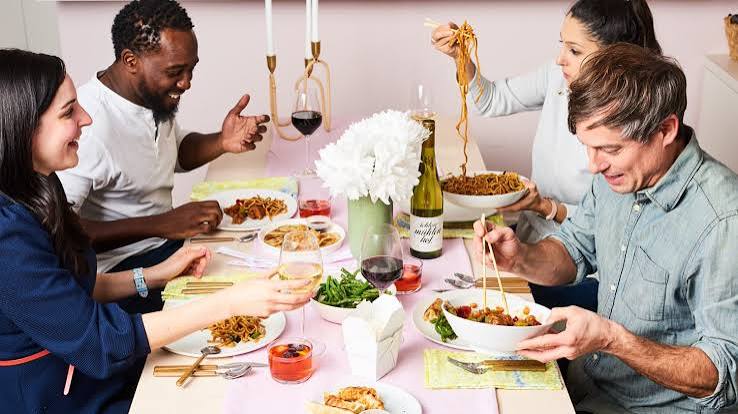
The best dinner parties aren’t necessarily the ones with the most elaborate menus. They’re the evenings when the conversation flows, the food arrives without a rush, and the host actually gets to sit down and enjoy the company. Yet anyone who has hosted before knows how easily things can go the other way. One minute you’re welcoming friends, and the next you’re stuck checking the oven, finishing side dishes, and wondering whether the roast is ready.
The secret to relaxed hosting is doing less during the party itself. That means choosing the right menu, preparing ingredients ahead of time, and using kitchen tools that reduce unnecessary checking. For example, Typhur Sync Oven uses a built-in wireless temperature probe to monitor the internal temperature of meat and automatically stop cooking when the selected target is reached. It’s the kind of practical convenience that can make preparing a dinner party main course less demanding.
But no appliance can replace good planning. The real goal is to create an evening where most of the work is finished before the first guest walks through the door.
Here’s how to make that happen.
1. Build Your Menu Around One Impressive Main Dish
One of the biggest mistakes hosts make is planning too many dishes that require attention at the same time.
A roast chicken, two elaborate sides, freshly baked bread, and a dessert that needs to go into the oven might sound wonderful. But if everything needs to finish at exactly 7 p.m., you’ll spend the evening managing cooking times instead of talking to your guests.
A simpler approach is to choose one main dish worth highlighting and keep everything else easy to prepare.
For example, a relaxed dinner party menu could include:
- Starter: A cheese board with olives, crackers, fresh fruit, and nuts
- Main course: Herb-roasted chicken with lemon and garlic
- Sides: A seasonal green salad and make-ahead couscous
- Dessert: Chocolate mousse or individual berry parfaits prepared the day before
This menu still feels thoughtful and complete, but only the main course needs significant cooking attention during the evening.
The starter can be arranged ahead of time, the salad takes minutes to finish, and dessert is already waiting in the refrigerator.
You can also adapt the same approach for different seasons. Try roasted salmon with a citrus salad in spring, or a beef roast with seasonal vegetables for a cozy fall gathering.
The important part isn’t the particular recipe. It’s choosing dishes that work together without creating unnecessary last-minute tasks.
2. Do the Real Work Before Your Guests Arrive
Professional kitchens rely on mise en place, the practice of preparing and organizing ingredients before cooking begins.
It’s just as useful when entertaining at home.
Instead of chopping vegetables while guests wait or searching for serving dishes as dinner finishes, take care of those tasks earlier.
The Day Before
Prepare anything that keeps well overnight.
Desserts such as chocolate mousse, cheesecake, and fruit parfaits are excellent choices because they can be made ahead and served directly from the refrigerator.
You can also prepare salad dressings, sauces, and certain side dishes.
If you’re serving a roast, check the recipe and prepare the marinade or seasoning in advance where appropriate. Keep raw meat properly refrigerated.
Set the table, choose your serving dishes, and make sure you have enough plates, glasses, and utensils for everyone.
Earlier on Party Day
Wash and chop vegetables, prepare cold appetizers, and organize your cooking equipment.
Keep prepared perishable ingredients refrigerated until needed.
Put serving utensils beside their corresponding dishes so you don’t have to search for them later.
You can even arrange a small drinks station with glasses, water, ice, and beverage options before the party begins.
The less you have to think about after guests arrive, the more naturally the evening will flow.
3. Let Temperature Guide Your Main Course
One of the most stressful parts of hosting is making sure the main dish finishes at the right time.
Traditional recipes often provide estimated cooking times, but those estimates can’t account for every difference in food thickness, starting temperature, or oven performance.
A chicken that’s slightly larger than expected may need extra time, while a smaller roast could finish earlier.
This is where cooking by internal temperature becomes particularly useful.
A food thermometer helps you measure what’s happening inside the meat rather than relying entirely on the clock.
Some newer countertop ovens take that approach further.
The Typhur Sync Oven CV04, for instance, integrates a wireless temperature probe with its cooking controls. Once the probe is properly inserted and the cooking target is selected, the oven monitors internal temperature and automatically stops heating when the target is reached.
That doesn’t eliminate every cooking decision. You still need to season the food, position the probe correctly, follow food-safety guidelines, and check the finished result.
However, it can reduce the need to repeatedly open the oven door or interrupt a conversation just to check cooking progress.
For a dinner party centered around roast chicken, that added convenience can be especially welcome.
The USDA recommends cooking poultry to an internal temperature of 165°F (74°C). Beef, pork, and lamb roasts have different minimum temperature and resting requirements, so always use guidance appropriate to the food you’re serving.
Also remember that temperature doesn’t tell you everything about texture or browning. A beautifully roasted main course still benefits from good seasoning, appropriate oven settings, and careful preparation.
The advantage of temperature-guided cooking is greater confidence in the final cooking stage, not the complete removal of the cook from the process.
4. Choose Side Dishes That Don’t Compete for Oven Space
Even with a reliable oven, preparing several dishes at once can create unnecessary complications.
If your main course needs the oven for an extended period, avoid planning multiple sides that also require different oven temperatures.
Instead, balance your menu with dishes that use other preparation methods.
A roast chicken pairs well with a chilled cucumber salad, a simple grain dish, or vegetables prepared on the stovetop.
For a beef roast, consider mashed potatoes made ahead and reheated properly, along with a fresh salad or sautéed green beans.
Cold sides are particularly useful because they can be dressed or plated shortly before serving.
The goal is to avoid a situation where your main course is ready but the side dishes still need another 30 minutes.
A practical strategy is to think of your menu in three categories:
Make-ahead dishes: Foods that can be prepared and safely refrigerated before the party.
Low-attention dishes: Foods that require relatively little active preparation or can be managed with simple kitchen tools.
Last-minute dishes: Anything that must be cooked, assembled, or finished immediately before serving.
Try to limit the third category to one or two items.
That one decision can make dinner service significantly less stressful.
5. Create a Simple Cooking Timeline
A dinner party becomes much easier when you know what needs to happen and roughly when.
You don’t need a minute-by-minute schedule for everything, but a basic timeline helps keep tasks from overlapping.
For a gathering where guests arrive at 6:30 p.m. and dinner is planned for around 7:15 p.m., your schedule might look like this:
The night before: Prepare dessert, make salad dressing, and set the table.
Early afternoon: Prepare vegetables, organize serving dishes, and complete any appropriate advance seasoning.
Before guests arrive: Begin cooking the main course based on its size, expected cooking time, and the recipe’s instructions. Set up appetizers and drinks.
6:30 p.m. — Guests arrive: Welcome everyone and serve appetizers while keeping an eye on cooking progress.
Before dinner: Confirm the main course has reached its safe internal temperature. Allow it to rest as appropriate, then finish or reheat the side dishes.
Around 7:15 p.m. — Dinner: Carve or plate the main course, bring everything to the table, and enjoy the meal.
After dinner: Serve the dessert you’ve already prepared.
The timing will vary depending on what you’re cooking, so build in extra time rather than relying on an exact finishing minute.
A roast that needs an additional 15 minutes shouldn’t throw the whole evening into chaos.
Having appetizers available and a flexible serving schedule gives you room to adjust without making guests feel like something has gone wrong.
6. Make Drinks and Appetizers Easy to Serve
Not every part of hosting needs to be handled personally.
A self-service drinks area is one of the easiest ways to make guests feel comfortable while freeing up your attention.
Arrange glasses, chilled water, ice, and a few beverage options somewhere guests can access without entering your main cooking area.
You can also prepare a simple nonalcoholic drink, such as sparkling water with citrus, herbs, or berries.
For appetizers, choose foods that can be arranged before guests arrive.
A cheese board, hummus with vegetables, olives, and crackers requires little attention once it’s ready.
Just remember that perishable foods should be kept at appropriate temperatures and not left out indefinitely.
The presentation doesn’t need to be elaborate.
A wooden board, a few small bowls, and fresh herbs can create an inviting display without hours of preparation.
Most importantly, guests can enjoy themselves while you take care of the final cooking steps.
7. Use Smart Kitchen Features Where They Actually Help
Modern kitchen appliances offer everything from cooking presets to app notifications, but not every connected feature is essential for hosting.
The most useful tools are the ones that solve problems you regularly encounter.
An oven with temperature-based doneness control can help when preparing a large roast.
A digital kitchen scale makes advance ingredient preparation more consistent.
A simple kitchen timer can help manage side dishes, while a smart speaker can keep track of multiple named timers when your hands are busy.
Connected appliances may also provide cooking-progress updates through a smartphone.
For example, the Sync Oven offers optional app-based monitoring alongside its built-in controls, allowing users to check cooking progress without standing directly beside the appliance.
Still, it’s important to keep expectations realistic.
An oven that automatically stops heating when the food reaches a selected temperature doesn’t automatically keep the finished meal at a safe serving temperature.
If food is finished well before dinner, follow appropriate hot-holding or refrigeration procedures rather than leaving it unattended in a cooling oven.
For hot holding, the USDA recommends maintaining food at 140°F (60°C) or above.
Think of smart features as helpful assistants, not substitutes for food safety or thoughtful meal planning.
8. Give Yourself Permission to Keep Things Simple
There’s often an unspoken pressure to make a dinner party feel like a restaurant experience.
Hosts may worry that every dish needs to be homemade, every course perfectly timed, and every plate carefully presented.
But guests usually remember the atmosphere of the evening as much as the menu.
A beautifully cooked main dish with two uncomplicated sides can be more enjoyable than an elaborate meal that leaves the host exhausted.
There is nothing wrong with buying good bread, choosing a simple dessert, or serving a favorite dish you’ve made many times before.
In fact, familiar recipes are often the safest choice for entertaining because you already know how they behave.
If you want to try something new, test it before the party rather than making your guests part of the experiment.
Small atmospheric touches also make a difference.
Warm lighting, a relaxed playlist, fresh flowers, or handwritten place cards can help create a welcoming environment without adding significant cooking work.
And don’t underestimate the value of simply sitting down.
When the host looks comfortable and enjoys the evening, guests are more likely to relax too.
9. Keep Cleanup From Taking Over the Evening
The last thing anyone wants after a pleasant dinner is a kitchen full of dishes that demand immediate attention.
A little organization before and during the party can make cleanup more manageable.
Start with an empty dishwasher and a clear sink.
As you prepare ingredients, wash or put away equipment you won’t need again.
Choose recipes that don’t require several separate pans, and use serving dishes that are easy to clean.
After dinner, clear the table and put perishable leftovers away promptly. Refrigerate them within two hours, or within one hour if the surrounding temperature is above 90°F.
There’s no need to deep-clean the kitchen while guests are still enjoying themselves.
Focus on essential food storage and basic tidying, then leave the remaining nonurgent tasks until after the evening.
The aim is to make cleanup manageable without allowing it to become the final event of the night.
Final Thoughts
Hosting a memorable dinner party doesn’t require spending the entire evening in the kitchen.
The biggest difference comes from planning a manageable menu, preparing as much as possible ahead of time, and organizing the final cooking stages so they don’t demand constant attention.
Useful kitchen tools can support that process. Temperature-guided cooking, reliable timers, and convenient appliance controls can reduce some of the uncertainty that makes entertaining stressful.
But the most important ingredient is still the experience you create for your guests.
Choose a main dish you enjoy cooking, keep the sides simple, prepare dessert in advance, and leave room in the schedule for the unexpected.
When the food is organized and the atmosphere is welcoming, you can spend less time worrying about the next task and more time enjoying the people around your table.
After all, the best dinner party is one where the host gets to be a guest, too.