

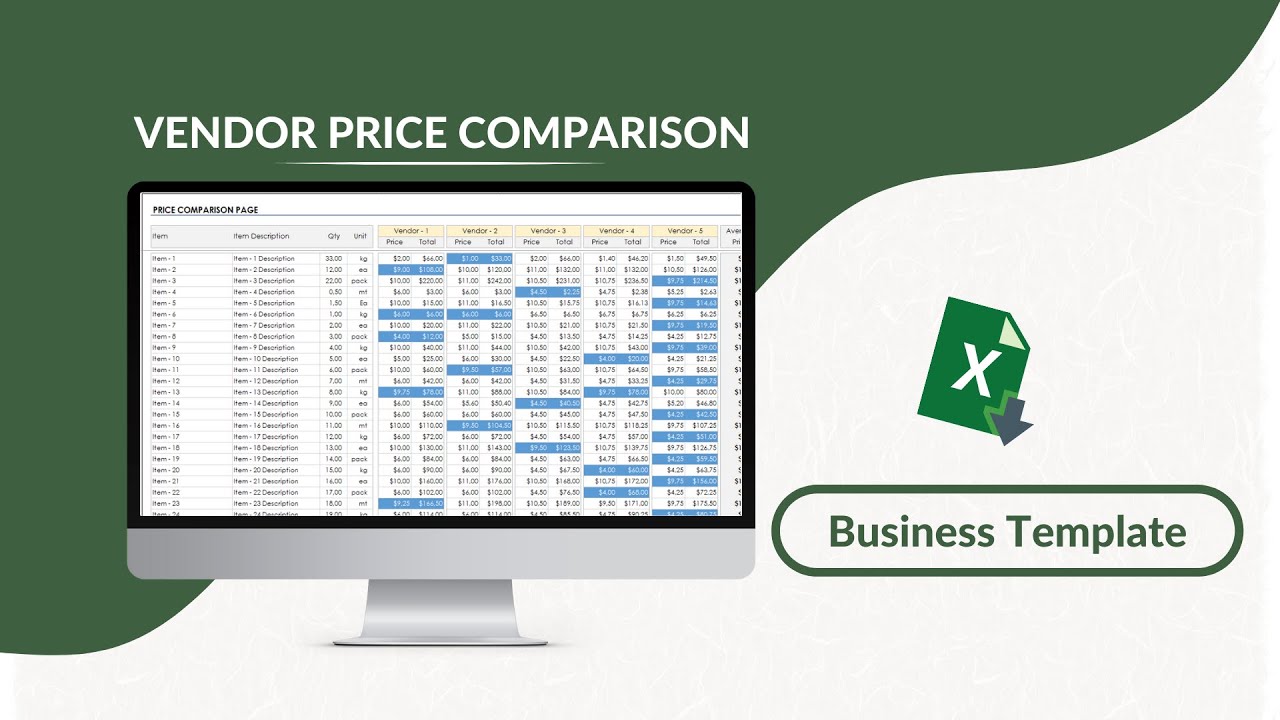
Vendor pricing comes in so many different formats that a simple comparison turns into a puzzle, one company quotes a flat monthly fee, another charges per item, and a third bundles everything into a single number that’s hard to break apart. None of those formats is wrong on its own, but stacked next to each other they make it nearly impossible to tell which vendor is actually cheaper for what a business needs.
The fix isn’t picking the vendor with the lowest number on the page, since that number rarely means the same thing twice. Breaking every quote down to the same basic unit, watching for pay-as-you-go pricing that skips a subscription entirely, and checking for fees that show up after the quote is what makes a comparison honest.
Pay-As-You-Go Pricing Is the Easiest to Compare
Vendors that charge by the item, rather than by the month, make comparison simpler because the price already reflects exactly what gets used. Certified Mail Labels rates are published openly by item, with no subscription or contract attached, so a business can multiply its expected volume by the listed price and get a real number instead of an estimate. That same pay-as-you-go structure shows up in plenty of other vendor categories, and it’s worth asking directly whether a provider offers it before assuming a monthly plan is the only option.
Normalize the Units Before Comparing Anything
Two quotes that look identical on the surface can turn out to mean two different things once the actual unit gets checked, a per-seat price against a per-active-user price, or a per-page rate against a per-document rate. Grocery shoppers run into the same problem constantly, since a bigger package isn’t always cheaper once the price gets converted to a common unit like the ounce or the liter. Vendor quotes deserve that same conversion before anyone compares totals, because a lower headline number can hide a higher real cost once the units match up.
Watch for Fees That Show Up After the Quote
A quote rarely includes every charge a vendor plans to bill, and setup fees, minimum order charges, and early cancellation penalties often surface only after a contract is signed. Regulators have paid attention to this pattern too, since hidden fees cost consumers billions a year across industries far beyond the vendors most businesses deal with directly. Asking a vendor for the full price, including every fee that could apply, before comparing it to a competitor’s quote avoids that surprise showing up on the first invoice instead.
Ask for the Same Format From Every Vendor
Requesting the same breakdown from every vendor, rather than accepting whatever format each one prefers to send, turns the comparison from guesswork into arithmetic. A short list of what the quote should include, unit price, minimum commitment, setup costs, and cancellation terms, works for almost any vendor category and takes less time to request than it does to untangle five mismatched proposals later. Most vendors will provide this if asked directly, since a clear breakdown works in favor of any provider confident in its own pricing. The ones that resist are usually the ones with the most to lose once a fair comparison finally happens.