

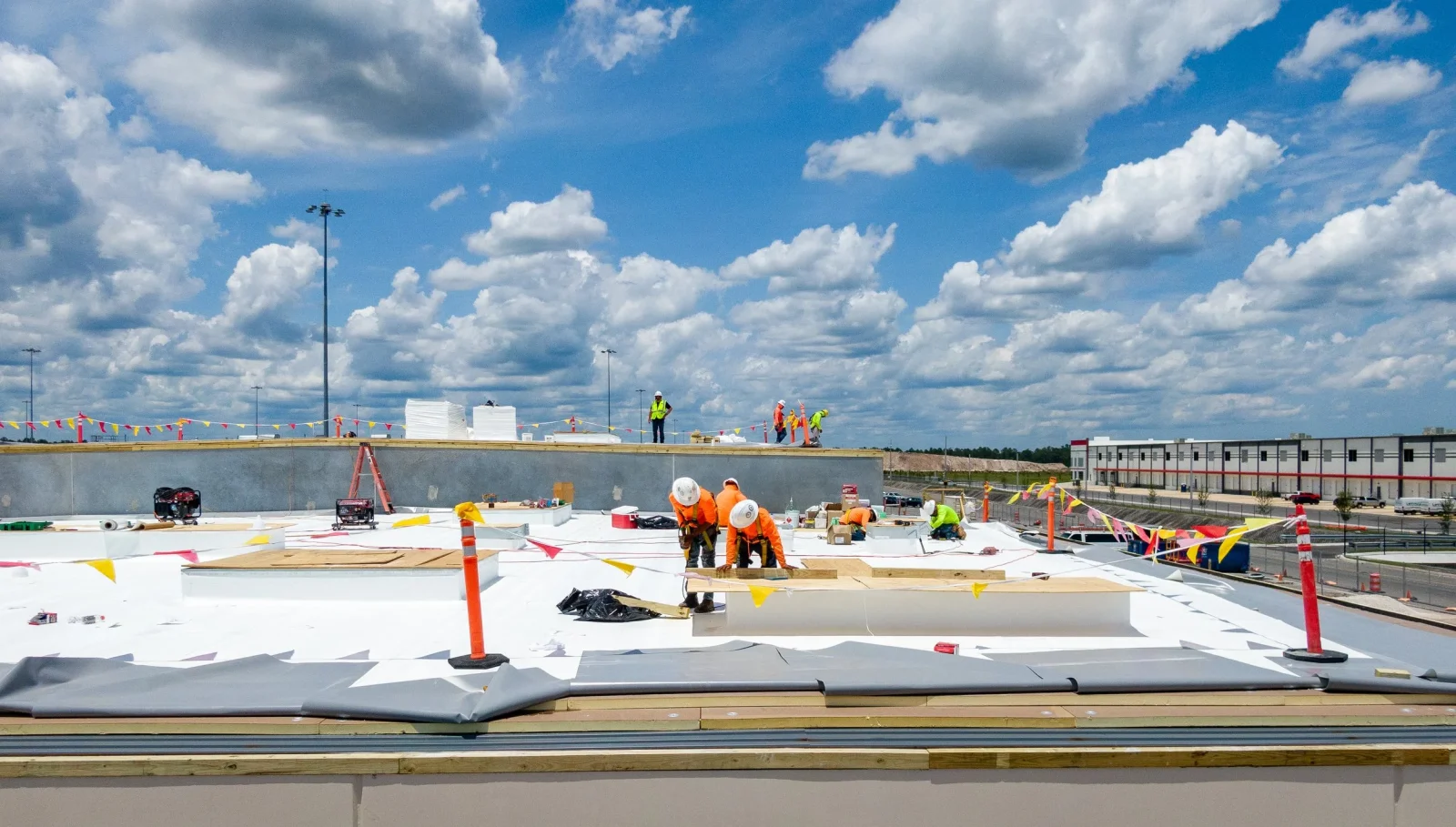
Commercial roofs often serve purposes that extend beyond protecting the building from weather. HVAC units, exhaust systems, vents, communication equipment, drains, and other mechanical components may occupy significant portions of the rooftop. Technicians also need regular access to these features, creating traffic patterns that can influence how surrounding roofing areas perform over time.
Effective commercial roofing planning should account for equipment placement and maintenance activity rather than treating the roof as an uninterrupted surface. Mechanical units can affect drainage routes, create numerous penetrations, and require service clearances. Understanding these relationships helps building owners recognize why rooftop equipment deserves attention as part of broader roof management.
A coordinated approach considers both roofing performance and the practical needs of other trades working above the building. Upright Roofing and Construction can evaluate equipment areas, access routes, drainage points, and visible roofing conditions as connected parts of the rooftop environment. This perspective helps protect vulnerable areas while keeping essential mechanical equipment accessible.
Map Rooftop Equipment and Regular Service Areas
A useful assessment begins by identifying what equipment is located on the roof and how frequently technicians need to reach it. Large HVAC units may require routine maintenance, while vents and other components may receive less frequent attention. Each creates a different pattern of activity.
Building managers should understand which areas experience the greatest foot traffic. The route from the roof access point to frequently serviced equipment can become more heavily traveled than surrounding surfaces, particularly when technicians repeatedly follow the same path.
Mapping these routes also helps identify places where roofing and mechanical work overlap. When everyone understands how the rooftop is used, maintenance can be planned around actual conditions instead of assuming traffic is evenly distributed.
Pay Attention to Roofing Around Equipment Curbs
Many rooftop units sit on curbs that elevate equipment above the main roof surface. These curbs create transitions where roofing materials meet vertical surfaces, making their perimeter an important part of an inspection.
Water moving across the roof must travel around these obstacles before reaching drainage points. The location and size of equipment can therefore influence runoff patterns even when the unit itself is functioning normally.
Upright Roofing and Construction can examine visible conditions around equipment transitions while considering nearby drainage. Evaluating these areas together helps determine whether the roofing surface is directing water as intended around permanent rooftop obstacles.
Protect Routes Used by Maintenance Technicians
Routine equipment servicing can bring workers onto a commercial roof throughout the year. Toolboxes, replacement parts, ladders, and repeated walking create physical activity that does not occur across less frequently accessed sections.
Identify Predictable Paths Across the Roof
Technicians generally choose practical routes between roof access points and equipment. If these paths are not recognized, repeated traffic may become concentrated across areas that were never intended to function as regular walkways.
Commercial roofing management can include appropriate planning for these predictable movement patterns. Keeping service traffic organized also helps technicians reach equipment without wandering unnecessarily across broader roof areas.
Keep Drainage Routes Clear Around Mechanical Units
Rooftop equipment can influence how water travels toward drains, scuppers, or other discharge points. Units, supports, piping, and service platforms may interrupt otherwise direct drainage routes, particularly on roofs containing numerous mechanical components.
Building managers should watch for recurring ponding or debris accumulation around equipment. Leaves, packaging, loose materials, and other debris can become trapped against curbs or supports, potentially interfering with normal water movement.
Drainage observations are especially useful after heavy rainfall. Documenting where water remains longer than expected provides professionals with information about how the roof behaves under real weather conditions.
Consider Equipment Condensation and Discharge
Rainfall is not the only source of rooftop moisture. Certain mechanical systems can produce condensation or other routine discharge, depending on equipment design and operating conditions. Where that moisture travels can affect nearby roof surfaces.
Discharge should follow an appropriate route rather than creating persistent wet areas around equipment. Building managers who repeatedly notice moisture in the same location should document the pattern and determine whether it relates to mechanical operation or another source.
Coordination may be required because the equipment and roof can fall under different maintenance responsibilities. Identifying the source first helps ensure the appropriate trade addresses the actual condition.
Coordinate Roofing Work With Mechanical Contractors
Roofing professionals are not the only people who may need rooftop access. HVAC technicians, electricians, plumbers, and other specialists can all perform work around equipment and penetrations. Their projects may directly affect surrounding roofing components.
Clear communication is valuable whenever equipment will be replaced, moved, or modified. A mechanical project that changes curbs, supports, piping, or penetrations can create new roofing considerations that should be addressed as part of the same planning process.
Upright Roofing and Construction can coordinate roofing-related needs when mechanical work affects the roof assembly. This helps prevent a situation where equipment work is completed while surrounding roof details are left unresolved.
Inspect Areas Beneath Frequently Used Access Points
Roof hatches, ladders, doors, and other access locations often experience concentrated activity. Workers step onto the same nearby surface each time they enter the rooftop, sometimes while carrying tools or materials.
These zones deserve regular observation because their use differs significantly from remote sections of the roof. Surface wear, loose materials, or other visible changes near an access point should be documented rather than dismissed as ordinary traffic.
Building owners can also keep access areas free of unnecessary stored items. A clear entry zone supports safer movement and reduces the likelihood that technicians will need to step around obstacles immediately after reaching the roof.
Avoid Unplanned Storage on Roofing Surfaces
Commercial rooftops can sometimes become temporary storage areas during mechanical projects. Packaging, removed parts, tools, and construction materials may be placed nearby for convenience. Leaving these items on the roof can create unnecessary obstacles and concentrated loads.
Loose materials can also move during windy conditions and collect near drains or equipment. Even lightweight debris may interfere with water movement if enough accumulates in a critical drainage area.
Project expectations should include timely cleanup and removal of unused materials. Maintaining an organized rooftop makes inspection easier and helps building managers identify actual roofing conditions without clutter hiding the surface.
Document Changes After Equipment Projects
Mechanical upgrades can alter the rooftop environment. A replacement unit may have different dimensions, new piping may follow another route, or supports may be repositioned. These changes can influence access and drainage patterns even when the project occupies the same general area.
Photographs taken before and after significant equipment work provide useful records. Documentation can show which components changed and help future contractors understand the history of the surrounding roof area.
Commercial roofing records become particularly valuable on buildings with numerous service providers. Keeping roofing inspections, mechanical work, and modification information together creates a clearer maintenance history for facility managers.
Schedule Inspections Around Rooftop Activity
Inspection timing can reflect how heavily the roof is used. A building with numerous frequently serviced units may benefit from observing high-traffic areas after substantial mechanical work. Major equipment replacements provide another logical reason to review surrounding roofing conditions.
Weather events can add further stress. Heavy rain may reveal drainage patterns, while strong winds can move loose debris into equipment areas or toward drains. Combining routine observations with event-based checks provides a more complete picture.
The purpose is not to inspect every time someone accesses the roof. Instead, managers can focus attention on situations most likely to change rooftop conditions.
Treat the Roof as a Shared Working Environment
A commercial roof containing mechanical equipment is both a protective building system and an active service area. Roofing materials, drainage routes, access points, equipment curbs, penetrations, and maintenance traffic all occupy the same environment and influence one another.
Successful management depends on recognizing these connections. Clear service paths, coordinated contractor work, drainage observations, organized access areas, and good documentation can help reduce avoidable conflicts between roofing needs and mechanical maintenance.
Working with Upright Roofing and Construction gives building owners a way to evaluate these interconnected conditions from a roofing perspective. When equipment access and rooftop activity are incorporated into commercial roofing planning, the building can support necessary mechanical service while maintaining greater awareness of the surfaces and transitions that protect the property below.