

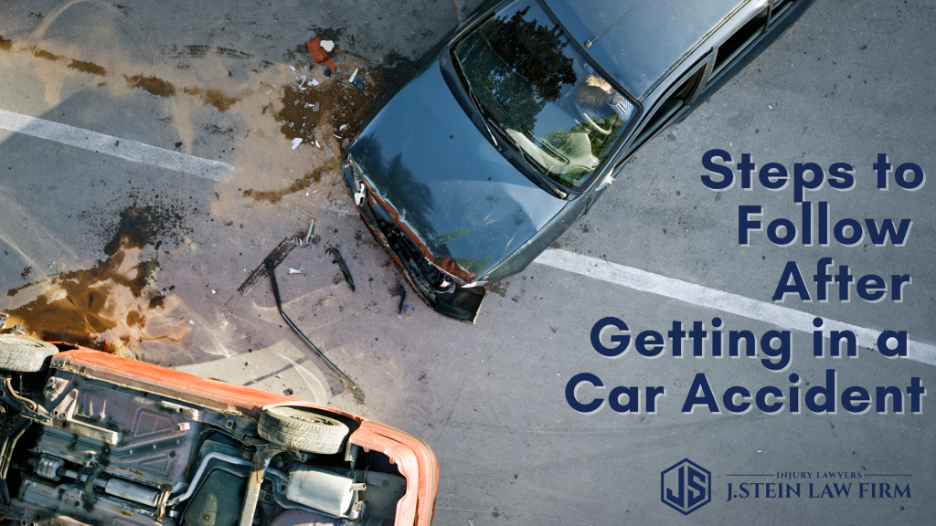
A crash can leave you shaky, angry, embarrassed, and unsure what to do next. One minute you are driving through Atlanta traffic, the next you are trying to remember if you should call the police, take photos, move your car, or speak to the other driver’s insurance company. That fog is normal. The problem is that the hours after a wreck can shape your health claim, your insurance claim, and any legal case that follows. Speaking with an Atlanta Car Accident Lawyer can help you understand your options and avoid mistakes during this critical time.
If you are wondering what to do after a collision, the short answer is this. Get to safety, call 911, get medical care, document everything, report the crash, be careful with insurance adjusters, and talk to a personal injury lawyer if injuries or fault are disputed. What to do after a car accident in Atlanta is not just about being organized. It is about protecting yourself before the facts get blurred.
The First Hours After an Atlanta Car Wreck Affect Everything That Follows
The scene moves fast. Drivers apologize when they are scared. Witnesses leave. Pain shows up later. A neck injury can feel like stress at first, then become hard to ignore the next morning. If the crash happened on a busy road, you may also feel pressure to clear the lane and move on, even when you have not gathered the details you need.
That is where people get stuck. They assume the police report will tell the full story, but reports can be brief or incomplete. They think insurance will be fair, then find out the adjuster wants a recorded statement before all injuries are known. They skip urgent care because they feel mostly fine, then the insurer argues the injury must not be serious. What to do after a car accident often comes down to one thing. Create a clear record before someone else creates one for you.
Georgia drivers can later request records through the state. If you need report access or related records, the Georgia Department of Public Safety explains how to submit an open records request. Georgia also publishes crash reporting guidance through the Georgia crash reporting manual, which helps explain how crash details are documented.
Seven Important Steps Protect Your Health and Your Claim
First, get to a safe place if you can do so without making injuries worse. Turn on hazard lights, stay calm, and avoid standing in traffic.
Second, call 911. Ask for police and medical help if anyone is hurt. In Atlanta, an officer’s response and report can become a key piece of evidence later.
Third, get checked by a medical professional. Do this even if the pain feels minor. Adrenaline hides symptoms, and early records connect the injury to the crash.
Fourth, exchange information with the other driver. Get names, phone numbers, driver’s license numbers, plate numbers, and insurance details. Keep the conversation short and factual.
Fifth, document the scene. Take photos of vehicle damage, skid marks, debris, traffic signals, road conditions, injuries, and the surrounding area. If someone saw the wreck, ask for their contact information.
Sixth, notify your insurer, but choose your words carefully. Give the basic facts. Do not guess about speed, fault, or the extent of your injuries.
Seventh, speak with a personal injury lawyer if you have medical bills, missed work, lasting pain, or blame is being pushed onto you. A disputed rear end crash, a multi car pileup on the Downtown Connector, or a wreck involving an uninsured driver can get complicated quickly.
Handling the Early Claim Process Without Hurting Your Case
The hardest part for many people is the period after the crash but before the claim is settled. Bills start coming in. Your car may be in the shop. You may miss work. At the same time, the insurance company may sound helpful while looking for ways to narrow the claim.
A common example is the quick settlement offer. It can feel like relief when you are stressed about money, but early offers often arrive before treatment is finished. If your back injury gets worse, that fast payment may not come close to covering what the crash really cost you.
Another problem is casual language. Saying “I’m okay” at the scene is human. Insurers may still use it later. Saying “I didn’t see them” might simply mean the impact happened fast, but it can be framed as an admission. Stick to facts and let medical records and evidence do the talking.
Common Choices After a Crash and the Risk Attached to Each One
| Situation | Common Reaction | Safer Move | Why It Matters |
|---|---|---|---|
| You feel sore but not badly hurt | Wait a few days to see if it passes | Get evaluated the same day or next day | Early treatment protects your health and links the injury to the wreck |
| The other driver wants to handle it privately | Skip calling police | Report the crash and document the scene | Private deals often fall apart once repair costs become clear |
| Insurance asks for a recorded statement | Answer everything immediately | Give basic facts and get advice before detailed statements | Loose wording can be used to reduce or deny the claim |
| You receive a fast settlement offer | Accept to relieve pressure | Review damages, treatment, and lost income first | Once settled, you usually cannot ask for more later |
Three Immediate Actions That Help After a Car Crash
Start a single crash file. Put every photo, bill, prescription, repair estimate, towing receipt, and insurance message in one place. If you miss work, save proof of lost wages. Small details often become valuable later.
Follow your treatment plan. Go to follow up visits, fill prescriptions, and track your symptoms day by day. If pain affects sleep, driving, lifting, or childcare, write that down. Those daily limits tell the real story of the injury.
Get legal guidance before the claim hardens. If fault is unclear, injuries are more than minor, or the insurer is pushing for a statement or release, speak with a lawyer early. A car accident attorney can help preserve evidence, deal with adjusters, and measure the full value of the claim before you sign anything.
Steady Steps Now Can Make the Next Few Months Easier
You do not need to solve everything on the roadside. You just need to make a few smart moves that protect your health, your finances, and your rights. After an Atlanta wreck, clear records and quick medical attention usually matter more than perfect words in a stressful moment.
If you are dealing with injuries, missed work, or an insurance dispute, reach out for legal help before the pressure builds. The right support can give you room to recover while someone else handles the claim process.