

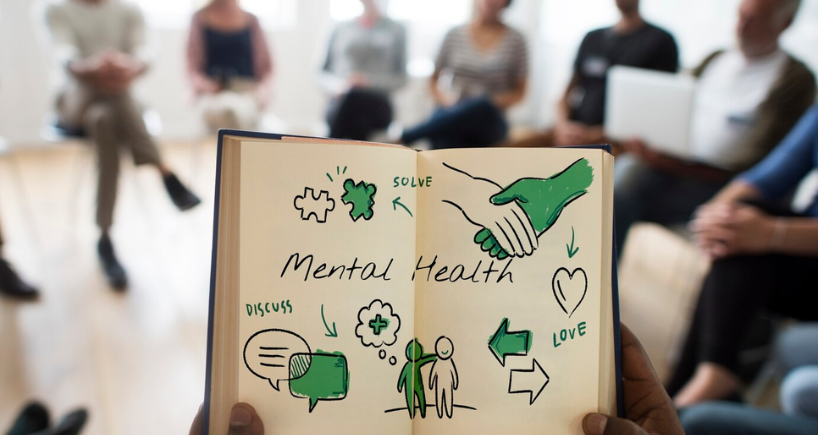
Not long ago, getting help for a mental health concern often meant waiting until things reached a breaking point. Many people did not talk openly about anxiety, depression, or stress, and options for care felt limited and hard to find. Today, the picture looks very different. Mental health is part of everyday conversation, treatment options are more varied, and more people see emotional well-being as part of their overall health.
That shift did not happen overnight. It came from changes in research, public attitudes, technology, and the way care is delivered. Looking at how far things have come can help people understand what support looks like now and why it may be easier to reach than they think.
How People Find Mental Health Support Today
One of the biggest changes is how people first look for help. Instead of relying only on a doctor’s referral or word of mouth, many people now start with an online search late at night, when a worry finally feels too big to ignore. What they find in that moment matters. Thoughtful mental health digital marketing helps practices share clear, honest information about the services they offer, what a first appointment involves, and how to get started, so people can learn what to expect before they ever pick up the phone.
This kind of openness helps lower the anxiety that often comes with reaching out. When someone can read about a program in plain language, see that others have similar concerns, and understand the next steps, taking action feels much more manageable.
From Silence to Open Conversation
For much of the twentieth century, mental health conditions carried heavy stigma. People worried about being judged at work, within their families, or in their communities. Many kept their struggles private and went without care.
Several things helped change that:
- Public figures, athletes, and artists speaking openly about their own experiences
- Schools and workplaces adding mental health education and resources
- Awareness campaigns that framed mental health as a normal part of health
- Online communities where people could share stories and feel less alone
Stigma has not disappeared, but it has softened. More people now feel comfortable saying they see a therapist or take time for their mental health, and that openness encourages others to do the same.
A Wider Range of Treatment Options
Mental health care used to be thought of mostly as either weekly talk therapy or a hospital stay. Today, there is a much broader range of care that can be matched to what a person needs at a given time.
Levels of Care
Many providers now offer several levels of support, such as:
- Traditional outpatient therapy, often once a week
- Intensive outpatient programs that meet several times a week
- Partial hospitalization or day programs with more structure
- Residential treatment for people who need round-the-clock support
This range allows people to step up or step down in care as their needs change, instead of choosing between too little and too much.
Evidence-Based Therapies
Research has also shaped which approaches are used. Therapies like cognitive behavioral therapy (CBT), which focuses on the connection between thoughts, feelings, and actions, and dialectical behavior therapy (DBT), which builds skills for managing strong emotions, are now widely used. Many programs also include family therapy, group support, and practical skill-building.
Recovery as a Process, Not a Finish Line
Another important shift is how recovery itself is understood. According to the Substance Abuse and Mental Health Services Administration (SAMHSA), recovery is a process of change through which people improve their health and wellness, live self-directed lives, and work toward reaching their full potential.
This view moves away from the idea that someone is simply “fixed” after treatment. Instead, it recognizes that recovery can include ups and downs, and that ongoing support, healthy relationships, and a sense of purpose all play a role. It also places the person at the center of their own care, with a voice in the goals and approach.
The Role of Technology
Technology has changed mental health care in ways few people predicted. Telehealth, which grew quickly in recent years, allows people to meet with therapists and psychiatrists from home. For people in rural areas, those with busy schedules, or anyone who feels nervous about walking into an office, this can remove a major barrier.
Other tools have also become common:
- Apps that support mood tracking, meditation, or breathing exercises
- Online scheduling and secure messaging with care teams
- Virtual support groups that connect people across distances
These tools are not a replacement for professional care when it is needed, but they can make support easier to access and maintain.
Care That Looks at the Whole Person
Modern mental health care increasingly recognizes that emotional health is connected to physical health, relationships, work, and daily habits. Many providers now consider factors like sleep, nutrition, exercise, and social connection as part of a treatment plan.
There is also greater attention to specific needs. Programs may be designed for teens, veterans, new parents, professionals, or people living with both a mental health condition and a substance use concern. This kind of specialized care helps people feel understood and supported in ways that fit their lives.
Care That Meets People Where They Are
Mental health care has come a long way, from a time of silence and limited options to one of open conversation, flexible treatment, and a more hopeful view of recovery. There is still work to do, especially around access and affordability, but the progress is real.
If you or someone you care about has been thinking about getting support, there has rarely been a better time to take that step. Help is more available, more varied, and more understanding than ever before, and reaching out is often the most important part of the journey.