

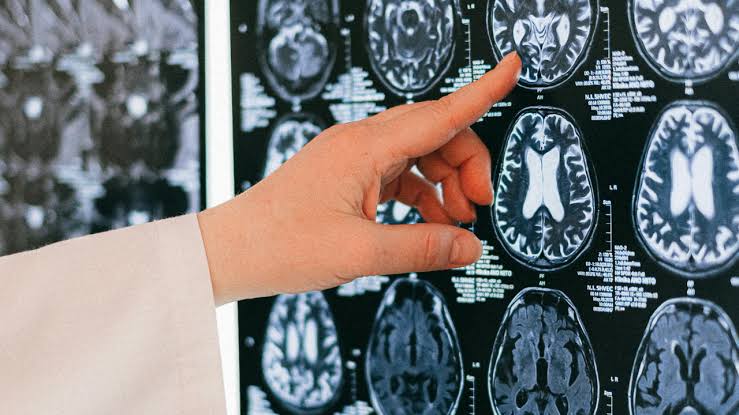
For a long time, many people believed that addiction was simply a matter of willpower. Today, scientists understand much more about how substances affect the brain and how the brain can begin to heal once substance use stops. This understanding has changed how treatment is designed and has given many people in recovery a new sense of hope.
Why the Brain Matters in Recovery
Addiction affects the parts of the brain involved in reward, motivation, memory, and decision-making. Over time, repeated substance use can change how these areas communicate. That helps explain why quitting can feel so hard, even when a person truly wants to stop. It is also why many treatment programs for drug addicts now focus on both the mind and the body, giving the brain time and support to adjust.
The good news is that the brain is not fixed. It has a natural ability to form new connections and adapt, which scientists call neuroplasticity. Recovery takes advantage of this ability. With time, healthy habits, and the right support, the brain can gradually rebalance.
How Substances Affect the Brain
To understand recovery, it helps to know a little about what happens during active substance use.
The Reward System
The brain has a built-in reward system that encourages us to repeat things that help us survive, like eating or connecting with others. Many substances flood this system with chemical signals, especially dopamine. Over time, the brain may start to rely on the substance to feel normal, and everyday pleasures can feel dull by comparison.
Decision-Making and Self-Control
The front part of the brain helps with planning, judgment, and impulse control. Long-term substance use can weaken these functions. This can make it harder to resist cravings or think through consequences, which is one reason relapse is common.
Stress and Emotion
Substance use can also affect the brain’s stress response. When the substance wears off, a person may feel anxious, irritable, or low. These feelings can create a cycle where the person uses again to feel better.
What Happens When Substance Use Stops
According to the National Institute on Drug Abuse, addiction is a treatable disorder, and research shows that the brain changes linked to substance use can improve over time with sustained abstinence and treatment. Recovery does not happen overnight, but it does happen.
The Early Weeks
In the first days and weeks, the body is adjusting to the absence of the substance. Withdrawal symptoms, sleep problems, and strong cravings are common. This is often the hardest period, and medical support during detox can help people get through it more safely and comfortably.
The First Several Months
As time passes, many people notice gradual improvements. Sleep may get better, mood may stabilize, and thinking can feel clearer. Some people experience lingering symptoms, such as trouble concentrating or feeling flat. These are normal parts of healing and often ease with time.
Longer-Term Healing
Over months and years, the brain continues to adapt. Healthy routines, relationships, and coping skills help build new pathways. Many people with addiction find that everyday activities start to feel rewarding again, which can make it easier to stay on track.
What Supports the Brain During Recovery
The brain heals best when the whole person is cared for. Several factors can make a real difference:
- Consistent sleep. Rest helps the brain repair itself and regulate mood.
- Balanced nutrition. Substance use can leave the body depleted, and regular meals support energy and focus.
- Physical activity. Exercise can improve mood and reduce stress.
- Therapy. Approaches like cognitive behavioral therapy (CBT) help people recognize and change unhelpful thought patterns.
- Medication when appropriate. For some substances, medications can reduce cravings and support stability.
- Social connection. Supportive relationships help the brain feel safe and rewarded in healthy ways.
Why Patience Matters
Because the brain takes time to heal, recovery often requires patience. People may feel frustrated if they do not feel better right away or if cravings return unexpectedly. Understanding that these experiences are part of a biological process can reduce shame and self-blame.
Cravings Can Fade With Time
Cravings are often strongest in early recovery. Over time, as the brain adjusts and new habits take hold, many people find that cravings become less frequent and easier to manage. Learning to recognize triggers and ride out urges is a skill that grows stronger with practice.
Setbacks Are Not the End
Relapse does not mean the brain has stopped healing. It is often a signal that a person needs more support or a change in their treatment plan. Reconnecting with care as soon as possible is the most helpful response.
How Families Can Help the Healing Process
Family members and friends can support brain healing in simple but powerful ways:
- Encouraging healthy routines like regular meals and sleep
- Being patient with mood changes and memory lapses
- Offering calm, steady support during stressful times
- Learning about how addiction affects the brain
- Taking part in family therapy or support groups
When loved ones understand that recovery involves real physical changes, it becomes easier to respond with compassion instead of frustration.
Giving the Brain Time to Heal
Addiction changes the brain, but recovery can change it too. With time, support, and healthy habits, many people with addiction regain clearer thinking, steadier moods, and a renewed ability to enjoy life. The process is gradual, and it looks different for everyone.
Understanding the science behind recovery can offer hope during difficult moments. Every day of healing gives the brain a chance to rebuild, and support is available for every step along the way.