

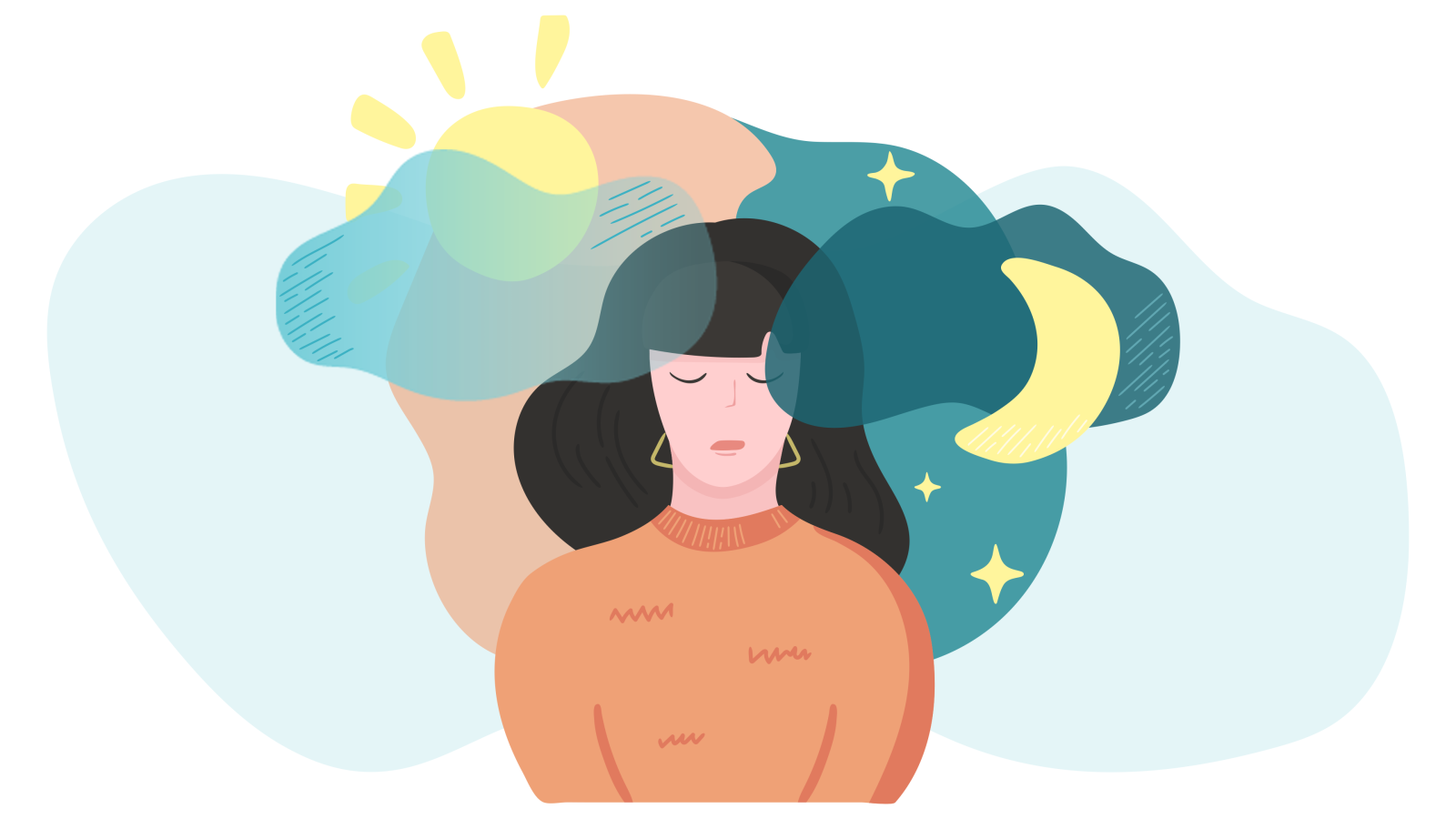
Most people know how it feels to get through a day after a bad night of sleep. Patience runs thin, focus slips, and small problems seem bigger than they are. What is less obvious is how deeply sleep and mental health are connected over the long term. Sleep is not just downtime. It is one of the ways the brain recovers, processes emotions, and prepares for the next day.
Why Sleep and Mental Health Are So Closely Linked
Sleep and mood tend to move together. When sleep suffers, emotional balance often suffers too, and when someone is struggling emotionally, sleep is often one of the first things to change. Because of this two-way relationship, many providers now ask about sleep as a routine part of care. People looking into mental health treatment in La Jolla or in any other community will often find that clinicians ask detailed questions about bedtime habits, nighttime waking, and daytime energy, since these details can offer useful clues about overall well-being.
This connection does not mean that poor sleep causes every mental health concern, or that fixing sleep will solve everything. It does mean that sleep is worth paying attention to as one important piece of a larger picture.
What Happens in the Brain During Sleep
Sleep happens in cycles, and each stage plays a different role. Throughout the night, the brain moves between lighter sleep, deep sleep, and rapid eye movement (REM) sleep, which is the stage most associated with dreaming.
Deep Sleep
During deep sleep, the body focuses on physical restoration. Heart rate and breathing slow down, and the body carries out repair work. People often wake feeling more refreshed after a night with enough deep sleep.
REM Sleep
REM sleep is thought to play a role in memory and emotional processing. Many researchers believe this stage helps the brain sort through the experiences and feelings of the day. When REM sleep is cut short, people may find it harder to manage their emotions the following day.
How Poor Sleep Can Affect Mood and Thinking
Even one night of short sleep can have noticeable effects. When poor sleep continues for weeks or months, the impact can add up.
Common effects of ongoing sleep loss include:
- Irritability and a shorter temper
- Trouble concentrating or making decisions
- Feeling more easily overwhelmed
- Lower motivation and energy
- Greater sensitivity to stress
- Difficulty enjoying things that usually feel good
Over time, these changes can strain relationships, work performance, and a person’s sense of control over their life.
How Mental Health Concerns Can Disrupt Sleep
The relationship also runs in the other direction. Many mental health conditions affect sleep in some way.
According to the National Institute of Mental Health, sleep problems such as trouble falling asleep, staying asleep, or sleeping too much are common symptoms of conditions like depression and anxiety. For example:
- Anxiety can make it hard to quiet racing thoughts at bedtime.
- Depression can lead to either insomnia or sleeping much more than usual.
- Trauma-related conditions may bring nightmares or a sense of being on alert at night.
- Bipolar disorder is often associated with major shifts in sleep needs.
This is one reason sleep changes can be an early signal that someone’s mental health needs attention.
Everyday Habits That Support Better Sleep
Healthy sleep habits, sometimes called sleep hygiene, can help many people rest more easily. These steps are simple, but they tend to work best when practiced consistently.
Build a Steady Routine
- Go to bed and wake up at about the same time each day, including weekends
- Create a wind-down period in the hour before bed
- Keep naps short and earlier in the day
Shape Your Environment
- Keep the bedroom cool, dark, and quiet
- Use the bed mainly for sleep, not work or scrolling
- Consider blackout curtains or a white noise machine if needed
Watch Daytime Choices
- Limit caffeine in the afternoon and evening
- Be cautious with alcohol, which can disrupt sleep later in the night
- Get natural light and some physical activity during the day
- Put screens away a little while before bed
Calm the Mind
- Write down worries or tomorrow’s to-do list before bed
- Try slow breathing, gentle stretching, or a relaxation exercise
- If you cannot fall asleep after a while, get up and do something quiet until you feel sleepy
When to Talk to Someone About Sleep
Everyone has a rough night now and then. It may be time to talk with a doctor or mental health professional if:
- Sleep problems last more than a few weeks
- You feel exhausted during the day despite spending enough time in bed
- Poor sleep is affecting your mood, work, or relationships
- You notice loud snoring, gasping, or pauses in breathing at night
- Worry or low mood is keeping you awake regularly
A professional can help figure out what is behind the problem. Approaches such as cognitive behavioral therapy for insomnia, a structured type of talk therapy focused on sleep, are widely used and can be done alongside other forms of care.
Rest as Part of Recovery
Sleep is not a luxury or a sign of laziness. It is a basic need that supports the brain, the body, and emotional health. For anyone working on their mental health, treating rest as a real priority can make other efforts easier to sustain.
Small changes, made steadily over time, can help restore a healthier rhythm. And if sleep problems feel stubborn or are tied to deeper emotional struggles, reaching out for support is a practical and caring step. Better rest can become one of the foundations of feeling well again.