

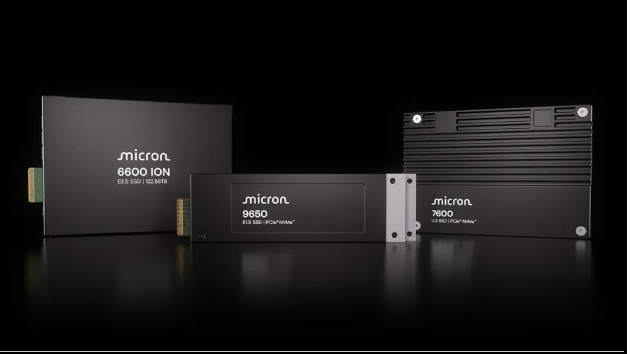
The lifetime of the device is not only dependent on the age of the hardware itself. The way in which the storage device handles reading, writing, and transferring data, and the wear of the drive, can affect the system’s reliability. When it comes to businesses, frequent replacement of storage is also not a good practice, as it could lead to extra downtime and expenses for the hardware.
There are technologies incorporated into Micron solid-state drives that contribute to wear management, data protection, and reliable operation over time. Technologies like wear leveling, error correction, garbage collection, endurance ratings, and power-loss protection are some examples of such technologies that can minimize wear on flash memory.
1. Flash Storage Removes Mechanical Wear
The traditional example of a hard disk drive utilizes rotating parts such as spinning disks and read/write heads. During its regular operation, the components rotate continuously, and therefore, there are specific mechanical points of contact that may affect its durability in the future.
In contrast, the SSD employs flash memory. There is no need for spinning disks and read/write heads, which means that there will be no mechanical wear and tear.
The absence of mechanical components also reduces the number of physical parts that can fail during regular operation. As a result, storage can continue functioning without the mechanical degradation associated with traditional hard drives.
2. Wear Leveling Helps Distribute Memory Wear
One of the key technological aspects that helps increase the operational lifetime of SSDs is wear leveling. The cells of flash memory have a fixed number of program/erase operations that can be performed on them. If some cells are constantly rewritten and others do not receive any requests at all, they will deteriorate faster.
In Micron solid-state drives, firmware management is applied in order to spread writes and erases across the memory blocks. In this way, it is possible to avoid using the same locations too often. Wear leveling helps spread the load among the flash memory cells more evenly.
3. Error Correction Protects Data Integrity
There may be tiny mistakes that occur in the flash memory due to the repeated reading and writing process. Failure to check for errors will make the problem escalate and may cause storage issues in the future.
The error-correcting code, more popularly referred to as ECC, is a method used in detecting and correct data errors in the process of storing data.
Effective error correction is important as flash memory ages. It helps maintain data integrity while allowing the drive to manage the natural effects of repeated use. This supports reliable operation throughout the drive’s usable lifespan.
4. Garbage Collection Keeps Flash Memory Efficient
Flash storage handles deleted data differently from traditional hard drives. When a file is deleted, the related data may remain in a memory block until the drive prepares that block for reuse. Garbage collection helps manage this process.
The drive identifies stale or invalid data and reorganizes valid information so that blocks can be prepared for future writes. This keeps available storage organized and helps maintain efficient operation.
Effective garbage collection also reduces unnecessary program and erase activity. Better management of these cycles can limit avoidable stress on flash memory and contribute to longer usable storage life.
Better Flash Management Supports Long-Term Operation
The technologies inside an SSD are not isolated features. Wear leveling, error correction, and garbage collection work together to manage the challenges created by continuous flash memory use.
When storage firmware handles these processes efficiently, the drive can maintain performance while controlling the effects of repeated operations. This matters for devices that remain active for long periods and cannot afford frequent storage replacement.
5. High Endurance Supports Heavy Write Activity
Not every storage device experiences the same level of use. Some systems perform occasional file transfers, while others handle databases, applications, logs, virtual machines, or other data-intensive tasks throughout the day.
High endurance ratings help identify drives designed to withstand greater amounts of written data. Terabytes Written, or TBW, is one measure used to indicate how much data a drive is rated to handle over its specified life.
Micron SSDs with strong endurance characteristics can be useful where storage receives frequent write activity. A drive designed for higher write endurance can better match demanding environments and reduce the likelihood of storage reaching its rated limits too quickly.
Choosing endurance appropriate to the workload is important. A drive that matches actual write demands is less likely to experience unnecessary strain from sustained use.
6. Firmware Helps Manage Long-Term Drive Health
The SSD firmware is crucial for the management of the flash memory. The processes in question include allocation of data, usage of memory blocks, and how the drive reacts to changes in the storage environment.
Good firmware can effectively control the operations of wear leveling, garbage collection, error correction, and other internal procedures. This makes the drive able to control the flash memory rather than just putting data anywhere available.
The efficiency of long-term reliability of storage is in part related to the intelligence behind these processes. The smart handling of memory allocation may assist in keeping the process predictable over time.
7. Power-Loss Protection Can Reduce Data Risk
Unanticipated disruptions in the flow of power can lead to complications with storage devices, particularly if data is being written during such a power loss. In the case of a disruption occurring at an inopportune time, data can be rendered incomplete or inconsistent.
Power-loss protection is a tool that has been developed in order to provide some form of control in the event of a power loss.
Reducing the impact of sudden power loss can help protect both stored information and the overall stability of storage operations. This becomes especially important in systems where interruptions occur during frequent write activity.
8. Consistent Operation Can Extend Device Use
A longer device lifespan is not simply about preventing sudden failure. It is also about maintaining dependable storage performance as the hardware continues to age.
SSD technologies help manage wear and memory health throughout normal operation. When storage remains reliable and performs its intended role, the rest of the system may continue serving its purpose without requiring an early storage replacement.
This can be particularly valuable for devices expected to remain in service for several years. Stable storage reduces the pressure to replace functioning hardware simply because its original drive has reached the end of its useful life.
9. Endurance and Management Work Together
A high endurance rating alone does not determine how long an SSD will remain useful. The way the drive manages writes, corrects errors, reclaims memory, and distributes wear also matters.
Micron’s combination of flash technology and drive management features helps address several factors that influence long-term storage health. Each process contributes to controlling the effects of repeated use.
For businesses and other environments where devices must remain operational for extended periods, this combination can make storage a more durable part of the overall system. Properly matched endurance and intelligent memory management can support a longer service life without relying on mechanical components.
Keeping Storage Reliable for Longer
Device longevity depends on how well critical components handle years of regular activity. For storage, repeated writes and flash memory wear are among the key factors that must be managed. Micron addresses these challenges through technologies designed to distribute wear, correct errors, reclaim memory, and support endurance.
These features allow solid-state drives to do more than provide fast storage. They help manage the conditions that can affect long-term reliability. For systems expected to remain useful over extended periods, that balance between performance, endurance, and memory management can help turn storage into a longer-lasting component.
For organizations evaluating storage with longevity in mind, Cloud Ninjas can be a useful resource for exploring available storage options. The right SSD technology, matched to actual usage, can help support dependable operation and extend the practical life of a device.