

Emergencies and natural disasters—ranging from high-wind storms and flash floods to severe electrical outages—can strike without warning. Taking proactive, strategic steps today transforms your living space into a resilient haven capable of withstanding unexpected environmental threats. Preparing your home is not about living in fear; rather, it is about taking practical measures that protect your household, secure your property, and provide invaluable peace of mind.
Here is a comprehensive guide to building a disaster-ready home through structural updates, emergency planning, utility protection, and fire safety.
1. Fortify Your Home’s Structural Exterior
Your home’s exterior serves as the primary barrier against severe weather and environmental hazards. Inspecting and reinforcing vulnerable areas reduces structural risk significantly.
- Roofing and Gutters: Inspect your roof regularly for loose, damaged, or missing shingles. Secure the roof structure with hurricane straps or clips if you reside in high-wind regions. Clear gutters and downspouts frequently so water flows freely away from your foundation, preventing severe water intrusion and erosion.
- Reinforce Windows and Doors: Windows and exterior doors are common points of failure during severe storms. Install impact-resistant glass, heavy-duty deadbolts, or storm shutters to shield your living area from high winds and flying debris.
- Landscape Maintenance: Overhanging branches and dead trees pose major hazards during high-wind events. Prune trees near your home and hire professional arborists to remove dead or unstable timber before severe weather hits.
2. Protect Utilities and Secure Reliable Backup Power
Severe weather frequently disrupts municipal utilities and electrical grids. Taking preemptive measures protects critical household appliances and prevents costly long-term damage.
- Elevate Essential Systems: In flood-prone regions, raise electrical panels, water heaters, and HVAC units above potential flood lines to avoid catastrophic equipment failure.
- Utility Shut-Offs & Surge Protection: Install whole-house surge protectors to safeguard appliances from electrical spikes during severe storms. Ensure every responsible family member knows how to safely locate and shut off main gas, water, and electrical breakers.
- Energy Independence: Maintaining electricity during extended blackouts is critical for refrigeration, lighting, and medical devices. Pairing a residential solar array with an enphase battery ensures your essential electrical loads remain continuously powered during prolonged power outages.
3. Assemble a 72-Hour Emergency Kit and Communication Plan
Physical home reinforcements must be complemented by operational family readiness. During major disasters, emergency services may experience delays, making 72-hour self-sufficiency essential.
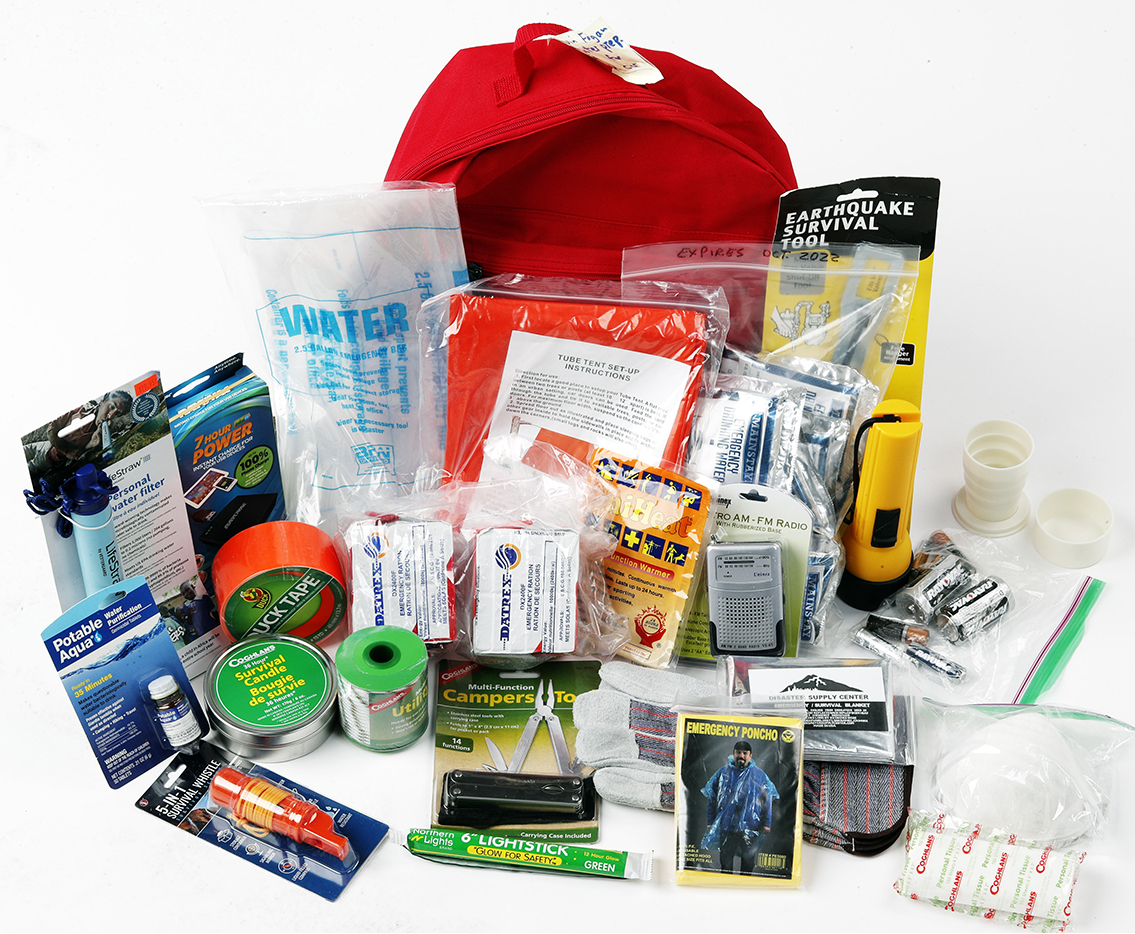
- Build a Survival Kit: Store an easily accessible, water-resistant kit containing at least one gallon of bottled water per person per day, a three-day supply of non-perishable food, a manual can opener, a comprehensive first-aid kit, flashlights, extra batteries, and basic sanitation supplies. Keep physical copies of vital identification, insurance policies, and medical documents in waterproof bags.
- Establish Communication Protocols: Create an emergency strategy mapping out two exit routes from every room and designated meeting locations outside the immediate neighborhood. Designate an out-of-town contact person to streamline family updates if local voice channels become overloaded.
4. Implement Fire Safety and Early Detection
House fires can spread in minutes, making prevention and rapid detection vital safety components for any resilient household.
- Early Detection Systems: Install interconnected smoke alarms and carbon monoxide detectors on every level of your home, inside bedrooms, and outside sleeping areas. Test alarms monthly and change batteries annually.
- Fire Extinguishers & Defensible Space: Place multi-purpose fire extinguishers in accessible locations like the kitchen, garage, and furnace room. If you live in a wildfire-prone area, clear combustible vegetation and maintain a 30-foot defensible perimeter around your home’s outer walls.
Building Peace of Mind Today
Disaster preparedness is an ongoing practice rather than a single weekend project. By fortifying your home’s structure, securing reliable backup energy, assembling emergency supplies, and reviewing safety routines with your household, you create a resilient environment capable of enduring unexpected challenges. Start taking small, deliberate actions today to protect your family and home for tomorrow.