

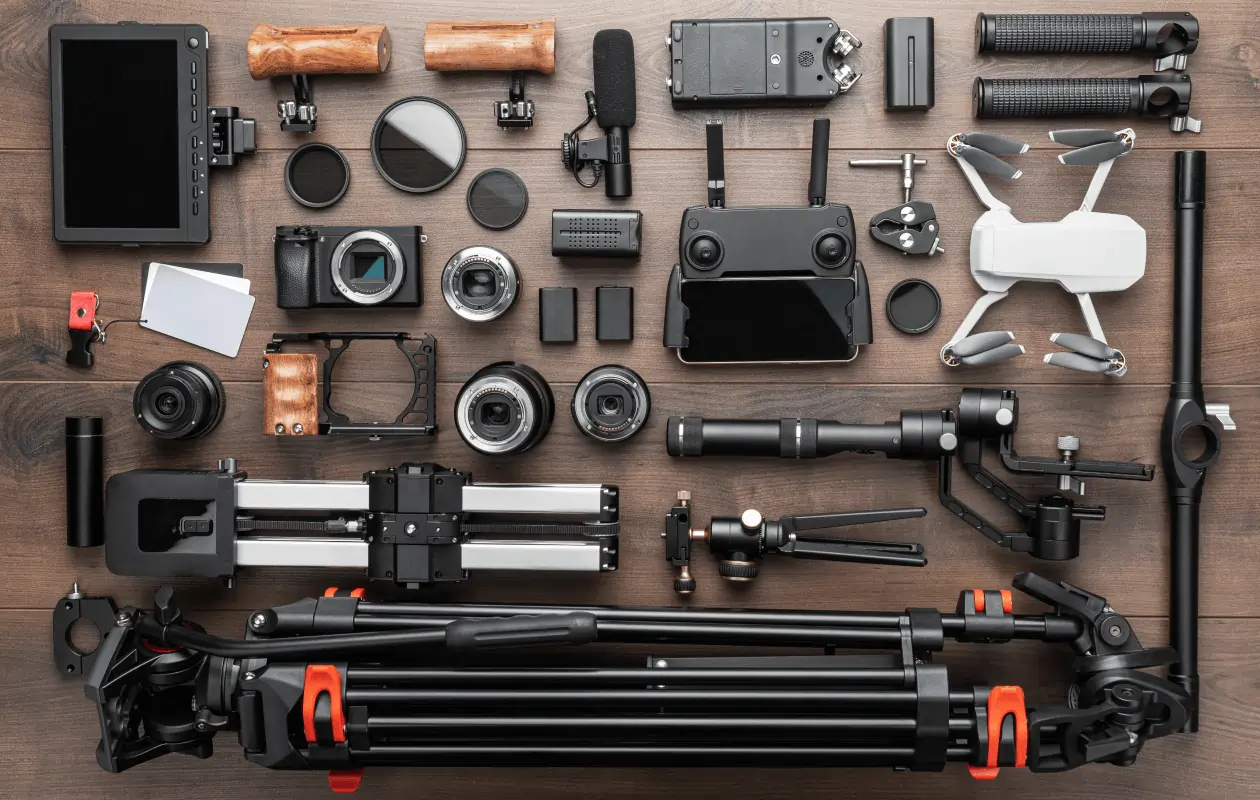
AI-generated concept illustration; not a PicLumen output demonstration.
A creator’s feed can look polished and still feel strangely disconnected. One post uses warm lifestyle photography, the next looks like a futuristic advertisement, and the third could belong to almost anyone. The problem is often a lack of shared creative decisions rather than a shortage of content.
AI video gives creators another way to explore visual ideas between filmed posts. A short atmospheric sequence can introduce a topic, establish a mood, or provide an original background for commentary. It works best when viewers can still recognize the person and perspective behind it.
Instead of generating a new visual identity every day, build a small system that supports the story you want to tell.
Start with a promise to the audience
Before choosing a visual style, define what people come to you for. A home organization creator might promise practical calm. A fashion commentator might offer thoughtful observations about color and silhouette. A music creator might share the process behind unfinished work.
The promise should guide the use of generated visuals. An imagined room can introduce a discussion about atmosphere, but it cannot prove that a storage method works. A stylized fashion scene can frame an idea, but it should not stand in for an actual garment review.
Write three topics you can return to regularly. A recognizable body of work grows from repeated interests as well as repeated colors. Visual consistency becomes much easier when each post has a clear reason to exist.
Create a compact style guide
Choose a limited palette, a preferred lighting mood, and a few framing habits. Perhaps your videos use teal and warm coral, soft daylight, and uncluttered close-ups. Those decisions create a starting point without forcing every post to look identical.
PicLumen offers AI image creation that can help you explore an original mood reference. Use that stage to compare visual directions before investing time in motion. Keep the references that actually fit your topic, rather than saving every attractive result.
Your guide should also name what to avoid. A calm educational feed may not benefit from flashing effects or frantic camera movement. A handmade brand may lose its character if every scene looks like a glossy technology launch.
Choose a job for each generated clip
An AI sequence should earn its place in the post. It might establish a setting before your explanation, visualize an abstract idea, or provide a brief transition between sections. Choose one of those jobs before writing the prompt.
For a creator discussing creative routines, an imagined desk scene could introduce the topic of making space for focused work. The useful detail might be morning light reaching a notebook. There is no need for the desk to transform into a floating city to make the opening interesting.
Keep your actual advice central. The clip invites attention; your experience, reasoning, or demonstration gives viewers a reason to stay. That division also helps you decide when ordinary footage would serve the post better.
Move from a reference to a simple scene
The PicLumen AI Video Generator supports generating video from text or an image. Start with a reference that matches your style guide, then describe a limited action and the atmosphere you want.
For example: “A small creative workspace with a teal notebook and ceramic vase. Soft morning light, subtle curtain movement in the background, slow camera approach, warm and welcoming mood.”
Review the result against the purpose of the post. Does it communicate focus, or does an unexpected object steal attention? If it misses the mark, simplify the scene or change one instruction. A clear revision is usually more informative than adding a long list of conflicting adjectives.
Add your voice during the finishing stage
Use your usual editor to combine the selected clip with commentary, captions, or filmed material. Your wording and delivery connect the visual to your perspective. Without that connection, a feed can become a gallery of attractive scenes with little to say.
Add important text afterward so spelling, timing, and placement remain under your control. Leave enough room for captions and check that the central subject is visible in the intended format. Watch the post on a phone before deciding that it is ready.
If you include music, use material with appropriate rights. If the post contains a commercial partnership, keep the disclosure clear. Generated imagery does not change the need to explain the relationship behind a recommendation.
Protect the trust behind a personal brand
Label imagined scenes where viewers could reasonably mistake them for real experiences. A fictional studio should not be presented as your actual workplace, and a generated destination should not imply that you visited it.
Avoid using another person’s face or voice without permission. There is usually no creative need to imitate a celebrity when an original setting, object, or visual metaphor can communicate the same topic more clearly.
For brand work, check current plan conditions and terms before publishing commercially. Review the full clip for changing objects, distorted details, and unintended text. Trust is easier to maintain when those checks happen before the post reaches an audience.
Build a series you can sustain
Try a small series around one topic and visual direction. Keep the opening structure recognizable while changing the question you address. Save the prompt, source reference, and final edit for each post so you can understand which decisions were useful.
Compare meaningful responses: relevant comments, saves, profile visits, or enquiries that fit your goal. A single spike in views does not tell you whether the series is helping the right audience recognize your work.
Then adjust the system. You may discover that generated openings work well occasionally, while filmed explanations remain the strongest part of the feed. A recognizable style comes from choosing deliberately and repeating what serves the audience. AI video can support that process, while the judgment and perspective remain yours.