

Interest in botanical wellness alternatives has grown considerably over the past decade, and few compounds have attracted more attention than 7-hydroxymitragynine.
Sold in concentrated form as 7OH tablets, these products are marketed for their ability to support relaxation, ease physical discomfort, and contribute to a broader sense of well-being. As interest continues to grow across North America, so does the importance of understanding what these tablets actually are.
Knowing how they interact with the body and what the available science says gives consumers a more honest basis for decision-making.
This article breaks down the pharmacology behind 7OH tablets, examines the mechanisms through which they may promote relaxation and wellness, and covers the important safety and usage considerations every prospective user should understand before starting.
What Are 7OH Tablets
7OH tablets contain 7-hydroxymitragynine (7-OH), which is an alkaloid molecule extracted from the kratom plant known scientifically as Mitragyna speciosa, and whose natural habitat is the tropical forest regions of Southeast Asia.
While the kratom leaves contain many alkaloid molecules, including mitragynine, 7-hydroxymitragynine exists in minimal amounts in the raw leaf. However, this molecule can also be created via the metabolism of mitragynine by the body.
When the product 7OH tablets is manufactured commercially, concentrated molecules of 7-OH are used; hence, a far higher dosage is achieved compared to the natural kratom products.
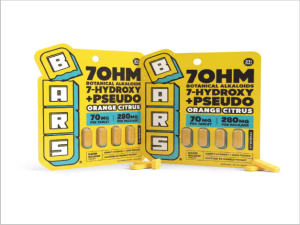
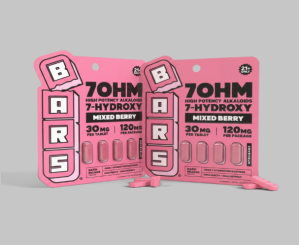
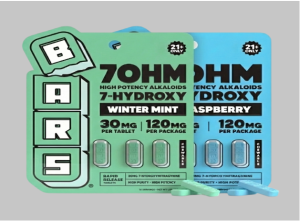
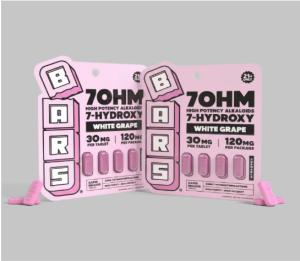
Today’s 7OH tablets are available in different dosages ranging from 30 mg to 70 mg per pill. They provide users with an accurate and consistent result, which is an improvement over using loose-leaf powder or kratom tea.
Mu-Opioid Receptor Connection
The key way by which 7OH operates involves the interaction of the substance with mu-opioid receptors within the brain and spinal cord.
According to research conducted and published in ACS Central Science, 7-hydroxymitragynine is a partial agonist of the human mu-opioid receptor, with about ten times higher binding efficacy compared to mitragynine. Activation of the mu-opioid receptor is known to be responsible for the regulation of pain perception, sedative states, and relaxation – the mechanism through which the relaxing properties of 7OH manifest themselves.
A partial agonist differs from a full agonist in that when bound to the receptor, the former does not cause the maximal reaction to occur physiologically. Because of this, 7OH has been characterized as a unique opioid receptor modifier.
7OH may also affect the adrenergic and serotonergic neurotransmitters, hence giving the drug its psychoactive effects regardless of whether the mu-opioid receptors are stimulated or not. The multiple modes of action have contributed to the wide range of effects experienced by people using 7OH, such as muscle relaxation and calmness of the mind.
How 7OH Tablets May Promote Relaxation
The relaxing effect associated with 7OH tablet consumption stems from the activation of the mu-opioid receptor. Once this chain of events takes place, the body’s physiological response to stress becomes modified, resulting in muscle relaxation, nervous system calming, and alleviation of discomfort perception.
This process can be observed by individuals using 7OH tablets when dealing with physical symptoms of stressful activities such as hard labor, physical training, or chronic stress.
A public health survey on patterns of kratom product use in the United States indicated that most kratom consumers used it for general health improvement and pain management instead of being intoxicated.
Relaxation, reduction of anxiety, and pain alleviation were listed among the leading reasons why consumers chose to use products containing kratom derivatives.
Wellness Benefits Users Report
Beyond acute relaxation, regular users of 7OH products often describe broader wellness effects: improved sleep onset, reduced mental restlessness under stress, and greater ease in managing the physical demands of daily life.
The adrenergic and serotonergic activity associated with mitragyna alkaloids may contribute to mood stability over time, which is why some users incorporate 7OH tablets into recovery-focused or stress-management routines rather than reserving them for occasional use only.
Standardized tablet formats support this kind of consistent practice. Because each tablet contains a fixed dose, users can establish reliable routines without the variability inherent in powdered or tea-based preparations.
Products backed by third-party lab testing offer additional assurance around potency and purity — both relevant when predictable, wellness-oriented outcomes are the objective.
Safety Considerations Every User Should Know
7OH tablets carry safety considerations that responsible use requires understanding upfront.
As a partial mu-opioid receptor agonist, 7-hydroxymitragynine poses risks of tolerance, dependence, and withdrawal with sustained high-dose use. The FDA has issued safety warnings regarding kratom-derived products and, as of July 2025, recommended scheduling 7-OH as a controlled substance — a regulatory status currently under active review.
Users should begin at the lowest available dose, avoid combining 7OH products with alcohol or other central nervous system depressants, and consult a healthcare provider before starting, particularly those with a history of substance use concerns, respiratory conditions, or current prescription medications.
Treating these products with pharmacological seriousness is the baseline for safe use.
Conclusion
7OH tablets occupy a distinct space in the botanical wellness market. Their relaxation and comfort-supporting effects are grounded in a well-characterized pharmacological mechanism — partial mu-opioid receptor agonism — and user survey data consistently reflect real-world experiences of stress relief, physical discomfort reduction, and mood stabilization.
At the same time, these are not ordinary wellness supplements.
The same receptor activity that produces relaxation carries meaningful dependence risk with prolonged high-dose use, and the regulatory environment around 7-hydroxymitragynine is actively evolving.
For users approaching 7OH tablets with clear intentions, a conservative starting dose, adequate information about the underlying pharmacology, and professional guidance where appropriate, the wellness applications are genuine and coherent.
The key is taking the compound as seriously as the science does — not more casually than the evidence supports.