

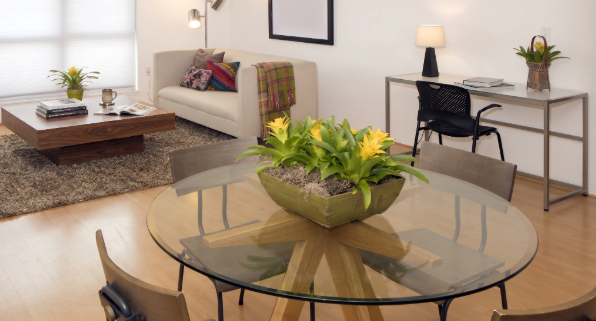
Few furniture materials have remained as relevant through changing interior design trends as glass. From minimalist apartments to traditional family homes, glass tabletops continue to offer a clean, sophisticated appearance while blending effortlessly with almost every decorating style. Among the many shapes available, the round tempered glass table top stands out for its ability to make spaces feel more open, encourage conversation, and provide exceptional durability for everyday living.
Whether placed in a dining room, breakfast nook, office, or outdoor patio, a circular glass surface creates visual balance while maintaining an airy aesthetic that solid materials often cannot achieve. Beyond appearance, modern manufacturing processes have significantly improved glass strength, making tempered glass one of the safest materials for residential and commercial furniture.
This article explores why round tempered glass remains a popular choice, how it is manufactured, where it works best, and what homeowners should know before selecting one.
Understanding Tempered Glass
Tempered glass is ordinary float glass that undergoes a specialized heating and rapid cooling process called thermal tempering. This treatment alters the internal stress of the material, increasing its overall strength several times compared to standard annealed glass.
Unlike untreated glass, tempered glass is engineered to improve both durability and safety. If enough force causes it to break, it shatters into thousands of small, rounded pieces instead of dangerous sharp shards. This characteristic has made tempered glass the preferred material for many architectural and household applications, including shower doors, patio furniture, shelving, office partitions, and table tops.
Because of these safety characteristics, tempered glass has become a common recommendation anywhere people gather around furniture daily.
Why Circular Table Tops Feel More Inviting
The shape of furniture influences how people interact within a room. Circular tables naturally eliminate corners, creating a softer flow throughout a space.
Better Conversation
A round table allows everyone to face each other equally. There are no “head of the table” positions, making discussions feel more inclusive during meals, meetings, or family gatherings.
Improved Traffic Flow
Without protruding corners, people can move around the furniture more comfortably. This becomes especially valuable in apartments, breakfast areas, or smaller dining rooms where every inch matters.
Creates Visual Balance
Interior designers often use circular furniture to soften rooms filled with straight architectural lines, rectangular cabinetry, and square flooring patterns. The result feels more balanced and visually relaxing.
Strength That Matches Everyday Living
One of the biggest misconceptions about glass furniture is that it breaks easily. Modern tempered glass tells a very different story. During manufacturing, the heating process strengthens the glass against common daily impacts such as:
- Placing heavy serving dishes
- Moving decorative items
- Daily dining use
- Home office activities
- Children’s homework sessions
Although no glass is completely unbreakable, tempered glass offers substantially greater resistance to impact and thermal stress than standard glass. Its resistance to sudden temperature changes also makes it suitable for both indoor and many outdoor applications where seasonal weather variations occur.
Popular Thickness Options
The ideal glass thickness depends largely on the intended use and whether the glass will rest on a frame or serve as a standalone surface.
1/4 Inch Glass
This thickness is commonly used when the glass serves as a protective cover over existing wood furniture rather than acting as the primary structural tabletop.
3/8 Inch Glass
A versatile option suitable for many dining and coffee tables supported by sturdy frames.
1/2 Inch Glass
Frequently selected for larger tables or installations where the glass itself becomes a significant visual feature. Its increased rigidity provides additional confidence for everyday use.
Professional furniture manufacturers often determine the appropriate thickness based on table diameter, support design, and expected weight loads.
Where Round Glass Table Tops Work Best
The versatility of circular tempered glass allows it to complement many rooms throughout a home.
Dining Rooms
Glass reflects natural and artificial light, helping dining rooms appear brighter and larger. This makes it especially attractive in homes with limited square footage.
Kitchen Breakfast Areas
Smaller breakfast nooks benefit from circular tables because family members can move around them more easily during busy mornings.
Coffee Tables
A transparent surface preserves sightlines across living rooms, preventing the furniture from visually overwhelming the space.
Home Offices
Glass creates a clean, organized appearance that complements modern workspaces while remaining easy to maintain.
Outdoor Patios
Many patio dining sets incorporate tempered glass because it tolerates changing temperatures better than ordinary glass while offering a sleek finish.
Design Flexibility for Every Interior Style
One reason glass continues to remain relevant is its ability to adapt to changing décor trends. A glass tabletop pairs equally well with:
- Solid hardwood bases
- Black metal frames
- Industrial steel designs
- Mid-century modern furniture
- Farmhouse pedestal bases
- Contemporary chrome supports
Since glass itself has no dominant color, homeowners can update surrounding décor without needing to replace the tabletop. This long-term versatility makes glass one of the most adaptable furniture materials available.
Clear, Frosted, and Tinted Finishes
Although clear glass remains the most recognizable option, several finishes provide unique visual effects.
Clear Glass: Offers maximum transparency while showcasing decorative table bases underneath.
Frosted Glass: Provides a softer appearance with reduced visibility through the surface while diffusing light elegantly.
Gray or Bronze Tinted Glass: Introduces subtle color while helping minimize visible fingerprints and glare. Each finish creates a different design personality while retaining the same structural advantages of tempered safety glass.
Edge Finishes Matter More Than Many People Realize
The edge treatment affects both appearance and comfort.
- Flat Polished Edge: Modern and minimal, commonly used in contemporary interiors.
- Pencil Polished Edge: Features gently rounded corners that create a softer appearance while improving comfort during everyday use.
- Beveled Edge: A decorative angled edge that catches light beautifully, adding visual sophistication to dining and accent tables.
Professional edge polishing also reduces microscopic imperfections that could otherwise become weak points.
Maintenance Is Surprisingly Simple
Glass furniture has earned a reputation for being easy to clean, and that reputation is well deserved. Routine maintenance typically involves:
- Microfiber cloths
- Non-abrasive glass cleaner
- Warm water for light cleaning
- Immediate removal of spills
Avoid abrasive scrubbing pads, harsh chemicals, or ammonia-heavy products that may leave streaks or gradually affect surrounding hardware finishes. Regular cleaning preserves the crystal-clear appearance while preventing mineral deposits from becoming noticeable.
Safety Considerations for Families
Many homeowners assume wood is automatically safer than glass. Modern safety engineering challenges that assumption. Tempered glass eliminates many risks associated with broken standard glass because it fragments into small granular pieces rather than dangerous knives-like shards. Parents with young children often appreciate the absence of sharp table corners on circular designs, reducing accidental bumps during active play. Nevertheless, furniture should always be used appropriately, and heavy impacts should be avoided regardless of material.
Environmental Benefits of Glass Furniture
Glass offers several sustainability advantages compared to many synthetic furniture materials. Because it is highly durable, a quality glass tabletop may remain in service for decades. Additional environmental benefits include:
- Long product lifespan
- Fully recyclable material
- Timeless appearance that reduces replacement frequency
- Compatibility with reused furniture bases
Extending furniture life through durable materials helps reduce overall resource consumption over time.
Common Myths About Glass Tables
Several misconceptions continue to influence buying decisions.
Glass Always Looks Dirty
Fingerprints become visible on many glossy surfaces, including painted furniture. Routine wiping with a microfiber cloth generally keeps glass looking clean with minimal effort.
Glass Is Fragile
Tempered safety glass is engineered specifically to withstand significantly greater impact than untreated glass used decades ago.
Glass Doesn’t Fit Traditional Homes
Glass complements nearly every design style because the supporting base largely determines the furniture’s visual character.
Choosing the Right Size
Selecting an appropriately sized tabletop involves more than measuring available space. Interior designers typically recommend maintaining comfortable clearance around dining furniture so chairs can move freely. Diameter selection should also account for:
- Number of intended seats
- Room dimensions
- Base size
- Walking paths
- Lighting fixtures above the table
Balanced proportions help maintain both comfort and visual harmony throughout the room.
Why Glass Continues to Define Modern Living
Interior design trends evolve continuously, yet glass consistently remains relevant because it solves multiple practical challenges simultaneously. It reflects light, creates openness, complements countless materials, and delivers dependable durability through modern tempering technology.
The round tempered glass table top represents a thoughtful combination of engineering and timeless design. It supports everyday activities while maintaining an elegant appearance that works equally well in contemporary lofts, suburban homes, restaurants, offices, and outdoor entertaining areas.
As homeowners increasingly seek furniture that balances longevity, aesthetics, and versatility, tempered glass continues to prove that practical materials can also be beautifully understated. Rather than dominating a room, it enhances surrounding architecture and décor, allowing each space to feel brighter, more spacious, and effortlessly welcoming.