

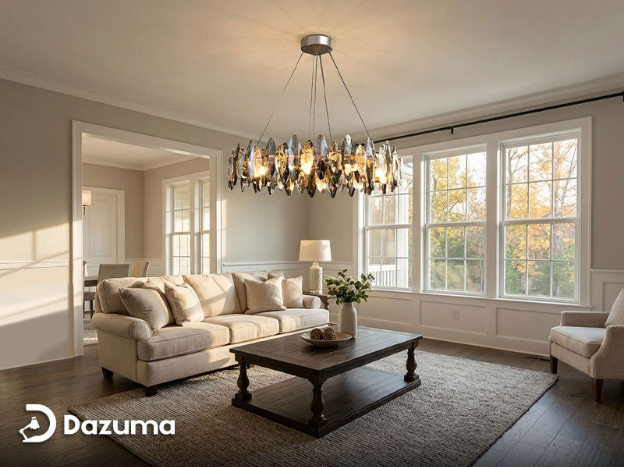
Crystal chandeliers have long been associated with grand halls and highly formal interiors, but they can feel just as comfortable in a modern home. The difference lies in how they are chosen and styled. A fixture with the right scale, shape, and surrounding finishes can add light and refinement without making an everyday room feel like a ballroom.
The goal is balance. Crystal already brings sparkle, texture, and visual movement, so the rest of the room does not need to compete. With a restrained approach, the chandelier becomes a polished focal point while the space remains relaxed and liveable.
Choose a Contemporary Silhouette
The shape of the fixture has a major effect on how formal it feels. Traditional tiered designs with many arms and hanging drops create a classic impression. Modern versions may arrange crystal around rings, branches, slim frames, or compact clusters, producing sparkle with fewer ornamental details.
Match the Fixture to the Room’s Scale
A chandelier that is too small can look disconnected from a large room, while one that is too wide or low may make the ceiling feel crowded. Measure the space below the fixture, whether it is a dining table, seating area, bed, or entrance zone.
When browsing Crystal Chandeliers, compare the listed diameter and total height with the room rather than judging size from photographs alone. An open crystal frame may feel visually lighter than a dense design with the same dimensions. Ceiling height and suspension length should always be considered together.
Give the Chandelier a Quiet Background
Crystal is naturally detailed. Placing it against a background of soft neutral colours, clean walls, and simple ceiling lines helps the fixture look intentional rather than excessive. White, cream, warm grey, taupe, and muted earthy tones all allow reflected light to remain visible.
This does not mean the room must be plain. Texture can come from timber, stone, linen, woven fabrics, or a subtle rug. The key is avoiding too many shiny or highly patterned surfaces in the same view.
Repeat Finishes in Small Amounts
A chandelier feels more connected when one of its finishes appears elsewhere in the room. A black frame might relate to window trim or chair legs. Brass details can echo cabinet handles, a mirror frame, or a small decorative object. Chrome or polished metal may connect with nearby hardware.
Use Crystal as the Main Decorative Moment
If the chandelier is intended to be the focal point, allow it to lead. Large statement artwork, highly reflective furniture, patterned curtains, and several dramatic accessories may all compete for attention when placed together.
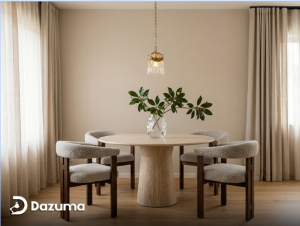
Select one main feature and let the others support it. A crystal chandelier above a simple dining table can feel luxurious precisely because the surrounding arrangement is calm.
Consider Daylight as Well as Nighttime Light
Crystal changes throughout the day. Near a window, its surfaces may catch sunlight and remain decorative even when switched off. After dark, the bulbs create a different type of sparkle and reveal the fixture’s full shape.
Look at the room from several directions before deciding placement. Reflections can be attractive, but strong direct glare may become uncomfortable. Position the chandelier so it adds life to the space without dominating every view.
Layer the Room’s Lighting
A chandelier should not be expected to perform every lighting task. It works best as one layer within a broader plan. Lamps can support reading, wall lights can soften the perimeter, and recessed or directional fixtures can provide practical illumination where needed.
Dimming is especially useful. Brighter output may suit cleaning, dining, or entertaining, while a lower setting creates a comfortable evening atmosphere. Keep nearby light sources at a compatible colour temperature so the room feels cohesive.
Think Beyond the Formal Dining Room
Crystal can work in several parts of the home. A compact design adds personality to a bedroom, dressing area, or reading corner. A vertical cluster can fill an entrance or stairwell. In a living room, a shallow ring design may provide presence without hanging too low.
Plan for Cleaning and Installation
Crystal elements collect dust, so accessibility matters. A design with fewer, larger pieces may be easier to maintain than one containing hundreds of small drops. Follow the manufacturer’s cleaning instructions to protect finishes and connections.
Substantial chandeliers require secure ceiling support and safe electrical installation. A qualified professional should confirm the mounting method, wiring, weight capacity, and clearance.
Keep the Luxury, Lose the Formality
A crystal chandelier does not need a heavily decorated room to look appropriate. In fact, modern shapes, simple furniture, natural materials, and quiet colours often make crystal feel fresher and more personal.
Choose the right scale, repeat finishes sparingly, and use the chandelier as one carefully controlled focal point. The result can feel elegant without being stiff, glamorous without becoming excessive, and comfortable enough for everyday life.