

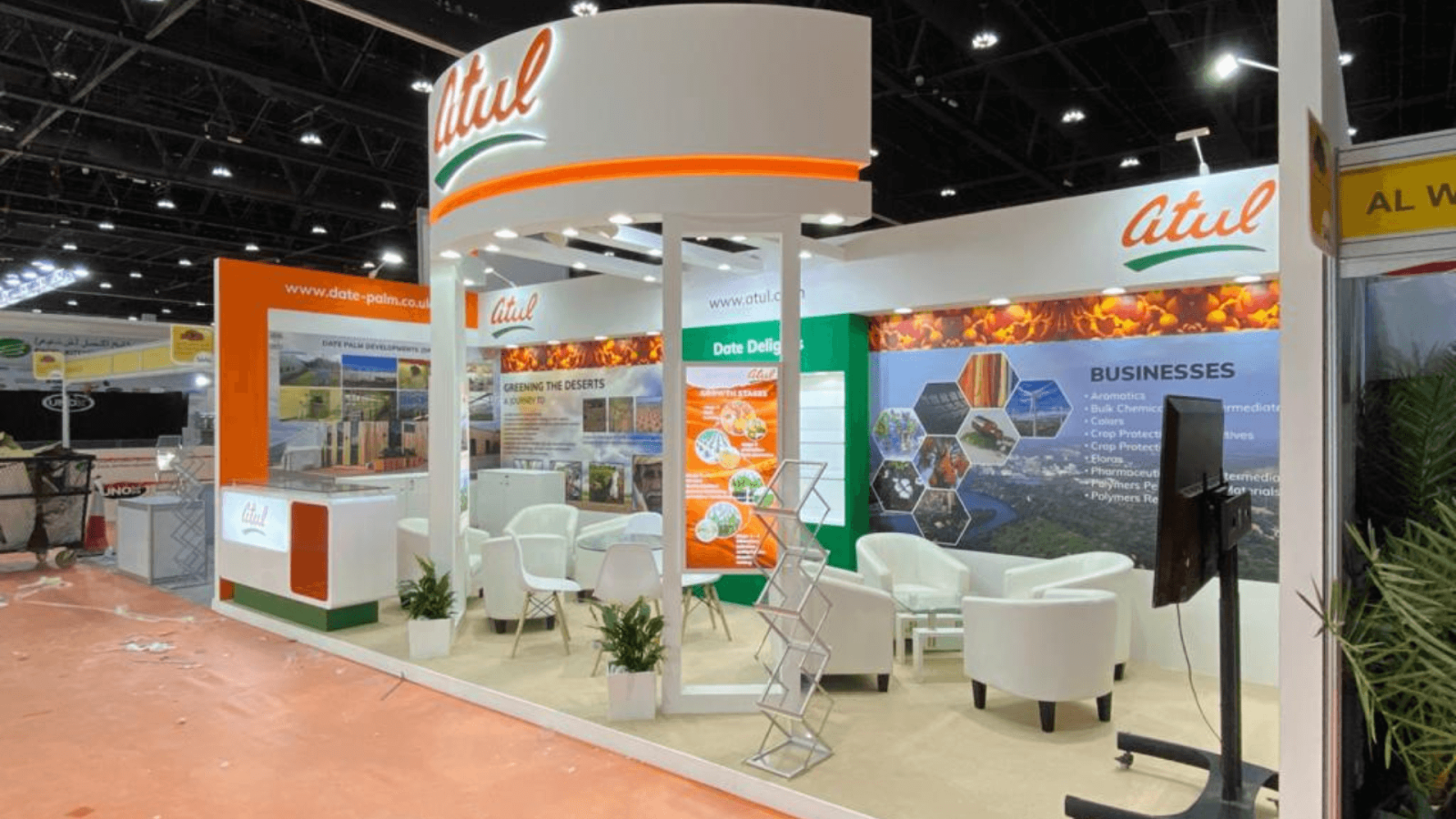
Trade show booth design does more than make a display look polished. When planned well, it helps visitors understand value quickly, qualify themselves, and move through buying conversations with less friction. A booth can become a practical sales tool that supports faster, clearer decision-making.
Why Booth Design Influences Sales Speed
At an event, buyers often compare many options in a short time. They may not have the patience to decode a crowded display or wait for a long explanation. Clear design helps them recognize relevance within seconds, which can shorten the early discovery stage.
A strong booth answers basic questions before a conversation begins. It should communicate who the solution is for, what problem it solves, and why it is different. When visitors already understand these points, sales teams can spend more time on fit, timing, and next steps.
Clarity Creates Better First Conversations
Messaging is one of the most important parts of booth design. Broad claims may attract attention, but specific language attracts better prospects. A focused headline, concise supporting copy, and simple visual hierarchy help visitors decide whether the offering matches their needs.
Working with an Exhibit Company can help align booth visuals, messaging, traffic flow, and engagement areas around practical sales goals. The most effective environments are usually designed around how buyers think, not only how the space looks.
Design Elements That Reduce Buyer Confusion
- Clear messaging that explains the main benefit quickly
- Visual cues that guide visitors toward the right area
- Simple product or service displays that avoid clutter
- Private or semi-private spaces for serious conversations
- Consistent branding that builds familiarity and trust
Qualified Visitors Move Faster
A booth should not try to appeal equally to everyone. When design signals the right audience, unqualified visitors are less likely to consume valuable time. Qualified buyers, meanwhile, can recognize that the exhibit is relevant to their priorities, budget level, or operational challenge.
This improves team efficiency. Instead of repeating the same introductory explanation, staff can use tailored questions to uncover urgency, decision roles, and obstacles. Better qualification at the booth can reduce follow-up delays and help sales teams prioritize the strongest opportunities.
Demonstrations Build Confidence Earlier
Many sales cycles slow down because buyers need proof. A thoughtful booth can make proof easier to understand through demonstrations, samples, comparisons, or interactive displays. When visitors can see how something works, they often need fewer follow-up explanations later.
A custom trade show exhibit can be planned around the key moments that influence buyer confidence. This may include showing a process, highlighting outcomes, presenting use cases, or creating a setting for hands-on evaluation.
What Effective Demonstration Areas Should Do
- Show the most important benefit quickly
- Support short and longer conversations
- Make complex ideas easier to understand
- Give staff room to guide without crowding
- Help visitors connect features to real business needs
Booth Flow Supports Better Sales Conversations
Layout can affect the pace and quality of engagement. If entry points are blocked, visitors may hesitate. If meeting areas are too exposed, serious buyers may avoid detailed discussions. Good booth flow makes each stage feel natural, from initial interest to deeper conversation.
Open areas can support quick introductions, while defined zones can separate demonstrations, product displays, and consultation spaces. This structure helps staff guide visitors based on interest level. It also prevents every conversation from feeling the same, which improves relevance.
Consistent Follow-Up Starts at the Booth
A shorter sales cycle often depends on what happens after the event. Booth design can support follow-up by encouraging better note-taking, clearer lead categories, and more accurate context. When staff know what each visitor cared about, follow-up can be more specific and useful.
Design can also reinforce the same message visitors will receive later. When booth visuals, handouts, presentation points, and post-event communication are aligned, buyers experience consistency. That continuity reduces confusion and helps keep momentum from the event conversation.
Practical Design Choices That Save Time
The best booth choices are not always the most complex. Practical design supports clarity, comfort, and purposeful interaction. Every element should have a reason, especially when the goal is to move qualified prospects through the sales process more efficiently.
- Use concise messaging that matches buyer priorities
- Place key information where it is easy to scan
- Create space for both quick chats and detailed discussions
- Train staff around the booth’s intended visitor journey
- Keep demonstrations focused on the main decision factors
Designing for Momentum After the Event
Trade show booth design can shorten the sales cycle by improving clarity, qualification, proof, and follow-up. When the exhibit helps buyers understand value sooner, sales conversations become more productive. The result is a smoother path from first interaction to informed decision.