


Do you often lie awake in bed even after a long, tiring day? Sleep problems don’t just affect a few people—they’re a global issue. Around 30–35% of adults worldwide experience insomnia symptoms at any point in time, and among older adults, this can rise to as high as 75%.
Additionally, roughly 10% of adults globally struggle with full-blown insomnia disorder, meaning they have persistent nighttime difficulties and daytime impairment.
Worryingly, about 27% of adults worldwide report general sleep problems, including trouble falling or staying asleep. In a global survey of more than 36,000 participants, only 13% said they sleep well every night.
That’s where magnesium bisglycinate comes in.
If you’re searching for a natural and gentle way to sleep better, magnesium bisglycinate may be the answer. It’s one of the most absorbable forms of magnesium and has become popular for its calming effects.
Let’s understand how this form of magnesium for sleep actually works, the best time to take magnesium bisglycinate, how it can help you beat insomnia and which brand you can rely upon.
What Is Magnesium Bisglycinate?
Magnesium bisglycinate is a type of magnesium combined with the amino acid glycine. This special combination makes it easier for the body to absorb, especially when compared to other forms like magnesium oxide.
Why is this important?
Many people are magnesium deficient without even knowing it. Poor diet, stress, caffeine, and certain medications can all lower magnesium levels in the body.
Low magnesium levels are directly linked to:
- Trouble falling asleep
- Waking up frequently at night
- Increased stress and anxiety
- Muscle cramps or restlessness at bedtime
By using a more absorbable form like magnesium bisglycinate, your body gets the support it needs for healthy, deep sleep.
How Does Magnesium Help With Sleep and Insomnia?
Magnesium plays a key role in calming your nervous system and relaxing your muscles, both of which are essential for quality sleep.
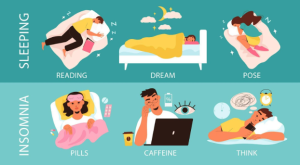
Here’s how magnesium for insomnia works:
1. Regulates Melatonin Production
Melatonin is your body’s sleep hormone. Magnesium helps activate melatonin and keep your sleep-wake cycle in balance.
2. Relaxes the Nervous System
Magnesium binds to GABA (gamma-aminobutyric acid) receptors in the brain, the same calming chemical used in many sleep medications. This helps slow down your thoughts and makes it easier to fall asleep.
3. Reduces Cortisol (Stress Hormone)
High stress levels result in high cortisol and further it results in poor sleep. Magnesium lowers cortisol and promotes a sense of calm.
4. Relieves Muscle Tension and Restlessness
Many people with insomnia experience restless legs or tight muscles at night. Magnesium helps relax those muscles, making your body feel more at ease.
✅ Did you know? A study published in the Journal of Research in Medical Sciences showed that magnesium supplementation improved sleep time and sleep quality in older adults.
Best Time to Take Magnesium Bisglycinate for Sleep
Now comes the most common question:
What’s the best time to take magnesium bisglycinate for sleep?
The answer: 1 to 2 hours before bedtime.
This gives your body enough time to absorb the magnesium and allow it to start working on your brain and muscles. You can take it:
- With or after dinner
- Or as part of your night routine with a warm drink
Avoid taking it too early in the day, as the relaxing effect might make you feel sleepy.
Who Can Benefit the Most from Magnesium for Sleep?
You may benefit from magnesium bisglycinate if you:
- Have trouble falling asleep
- Wake up multiple times during the night
- Suffer from anxiety or stress-related insomnia
- Experience restless leg syndrome
- Have muscle cramps or stiffness at night
- Work late hours or night shifts
Even people with a healthy lifestyle can become low on magnesium due to poor absorption, high stress, or frequent caffeine intake.
According to the World Health Organization (WHO), an estimated 75% of adults don’t meet the daily magnesium requirement.
How Much Magnesium Bisglycinate Should You Take for Sleep?
While dosage can vary from person to person, a common recommendation is:
- 200–400 mg of elemental magnesium per day for adults
Magnesium bisglycinate usually contains about 20% elemental magnesium per capsule or scoop. So, check the label carefully and consult your doctor for the best dose, especially if you are on medication or have a medical condition.
Start with a lower dose and increase slowly as needed. Taking too much can cause mild side effects like loose stools, though bisglycinate is much gentler than other forms.
Are There Any Side Effects or Precautions?
Magnesium bisglycinate is generally very well tolerated. However:
- Taking extremely high doses may cause diarrhea or stomach upset
- Always talk to your doctor if you’re pregnant, breastfeeding, or on blood pressure or heart medications
With so many options available in the market, Rasayanam is one among the most trusted brands known for their reasonable and quality products.
Magnesium Bisglycinate vs. Other Sleep Aids
| Feature | Magnesium Bisglycinate | Melatonin | Prescription Sleep Pills |
| Natural and Non-Habit Forming | ✅ Yes | ✅ Yes | ❌ No (can be addictive) |
| Muscle Relaxation | ✅ Yes | ❌ No | ✅ Yes (sedative) |
| Anxiety Reduction | ✅ Yes | ✅ Mild | ✅ Yes |
| Long-Term Use | ✅ Safe | ⚠️ Limited | ❌ Risky |
Conclusion
If your nights are filled with tossing, turning, and frustration, magnesium bisglycinate could be the solution you’ve been looking for.
It’s easy to absorb, calming for the mind, and relaxing for the body. The best time to take magnesium bisglycinate is around 1 to 2 hours before bed, so your body has time to wind down naturally.
With millions struggling with insomnia, turning to magnesium for sleep might be one of the safest and most effective lifestyle changes you can make, without the side effects of heavy medications.
FAQs
Q1. Can I take magnesium bisglycinate daily?
Yes, it’s safe for most people to take daily in recommended doses. It’s also safe for long-term use unless advised otherwise by your doctor.
Q2. How long does magnesium take to work for sleep?
Some people feel relaxed within a few days. For others, it may take 1–2 weeks of regular use to notice a significant difference.
Q3. Can I take magnesium with other supplements?
Yes, but try to avoid taking it at the exact same time as calcium or iron, as they can interfere with absorption.