

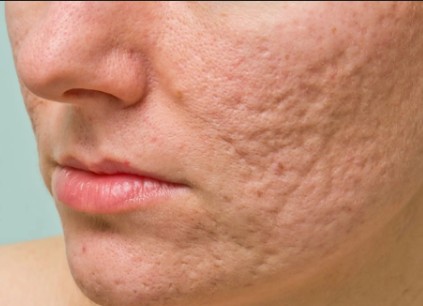
When Teen Breakouts Leave More Than Skin Deep Changes
Teen acne often starts as a phase, something many expect to pass with time. But for some, breakouts don’t just fade away—they leave behind visible reminders in the form of acne scars. These marks can affect not only skin texture but also confidence and self-image during an already sensitive stage of life.
Many families begin exploring structured care options when over-the-counter solutions no longer deliver results. In some cases, guidance from an Aesthetic Clinic in Singapore becomes part of the conversation, especially when acne becomes persistent or scarring starts to develop.
But understanding acne scars is just as important as treating them. Scars don’t appear randomly—they are the result of how the skin responds to inflammation, healing, and repeated stress.
Teen skin is still developing, which makes it more reactive and sometimes more prone to uneven healing. Lifestyle habits, hormones, and even emotional stress can influence how the skin repairs itself after breakouts.
When you look at acne scars from this perspective, the conversation shifts. It’s no longer just about appearance—it becomes about skin recovery, long-term health, and how everyday habits influence healing.
And once that foundation is clear, it becomes easier to understand what modern treatment options actually aim to do: not erase the past, but support the skin in rebuilding itself more effectively.
How Acne Scars Develop in Teen Skin
Inflammation as the Starting Point
Acne scars begin with inflammation. When pores become clogged and bacteria multiply, the immune system responds. This response leads to redness, swelling, and sometimes painful breakouts.
The severity of inflammation often determines whether a scar will form.
Healing and Collagen Response
Once the breakout heals, the skin tries to repair itself by producing collagen. This is where scarring patterns are formed.
If too little collagen is produced, the skin may develop indentations. If too much is produced, raised scars can appear.
Why Teen Skin Is More Vulnerable
Teen skin is still balancing hormonal changes, oil production, and cell turnover. This makes the healing process less predictable compared to adult skin.
As a result, even moderate acne can sometimes leave lasting marks if not managed early and carefully.
Lifestyle Factors That Influence Acne Scarring
Daily Habits and Skin Recovery
Lifestyle plays a major role in how the skin heals. Irregular sleep patterns, inconsistent skincare routines, and high stress levels can slow down recovery after breakouts.
When the skin doesn’t heal efficiently, the likelihood of scarring increases.
Stress and Hormonal Fluctuations
Stress triggers hormonal responses that can worsen inflammation. This creates a cycle where breakouts become more frequent and healing becomes slower.
For teens balancing school pressure and social life, this cycle is especially common.
Environmental Exposure
Urban environments expose the skin to pollution, humidity, and heat, all of which can contribute to clogged pores and irritation.
Over time, these external factors add up, influencing both acne severity and scar formation.
Modern Aesthetic Approaches to Teen Acne Scars
Supporting Natural Skin Recovery
Modern aesthetic care focuses on supporting the skin’s natural healing process rather than forcing rapid changes.
The goal is to encourage balanced regeneration of skin tissue so texture gradually improves over time.
Individualized Skin Assessment
No two acne scars are the same. Treatment approaches vary depending on scar type, skin sensitivity, and severity.
This is why professional evaluation plays an important role in determining suitable options.
Lifestyle-Friendly Treatment Planning
Today’s approach to skincare also considers lifestyle. Treatments are often designed to fit into busy schedules with minimal disruption.
This makes it easier for teens and families to stay consistent with care plans without overwhelming daily routines.
A Gradual Improvement Mindset
Rather than instant results, modern treatments focus on gradual improvement. This helps the skin adjust naturally while reducing irritation risks.
Building a Balanced Approach to Teen Skin Health
Combining Routine Care With Professional Support
Healthy skin management often involves a combination of daily skincare habits and occasional professional support.
Cleansing, hydration, and sun protection form the foundation, while targeted treatments address deeper concerns like scarring.
Avoiding Overcorrection
One of the most common mistakes is over-treating the skin. Using too many products or aggressive methods can disrupt the skin barrier and worsen sensitivity.
A balanced approach ensures the skin remains stable while healing.
Emotional Well-Being and Skin Confidence
Acne scars can affect how teens see themselves. Addressing both the physical and emotional aspects of skin concerns is important for long-term confidence.
Supportive environments at home and early awareness help reduce emotional stress linked to skin changes.
Long-Term Skin Awareness and Prevention
Early Care Makes a Difference
The earlier acne is managed, the lower the risk of scarring. Early awareness encourages better habits and more consistent care routines.
Understanding Personal Skin Triggers
Every individual has different triggers. Learning what affects your skin—whether it’s diet, stress, or environment—helps prevent future breakouts.
Building Sustainable Habits
Teen skincare habits often carry into adulthood. Establishing simple, consistent routines early helps maintain healthier skin long term.
Conclusion: Supporting Teen Skin Through Knowledge and Care
Acne scars in teens are not just surface-level concerns. They reflect how the skin responds to inflammation, healing, and everyday lifestyle factors.
Understanding this process removes uncertainty and helps create a more thoughtful approach to skin care. Instead of focusing only on visible marks, it becomes about supporting the skin’s natural recovery system.
Modern aesthetic care offers structured ways to support this process, especially when combined with healthy daily habits. But the foundation always starts with awareness—knowing how teen skin behaves and why scars form in the first place.
With the right balance of routine care, lifestyle adjustments, and professional support when needed, teen skin can recover more effectively over time.
And as confidence grows alongside healthier skin, the focus shifts from covering imperfections to understanding and managing them with clarity and care.
FAQs
1. Why do some acne breakouts turn into scars while others don’t?
It depends on the depth of inflammation and how the skin heals. Deeper or more inflamed acne has a higher chance of leaving scars.
2. Can teen acne scars improve without treatment?
Mild scars and marks may fade over time, but deeper scars often remain without targeted skin support.
3. What lifestyle habits increase the risk of acne scars?
Poor sleep, high stress, picking at acne, and inconsistent skincare routines can all increase the risk of scarring.
4. Are aesthetic treatments safe for teen skin?
When properly assessed and guided by professionals, treatments are tailored to suit skin sensitivity and developmental stage.
5. How can teens prevent acne scars from forming?
Early acne management, gentle skincare, and avoiding picking at breakouts are key steps in preventing scarring.