

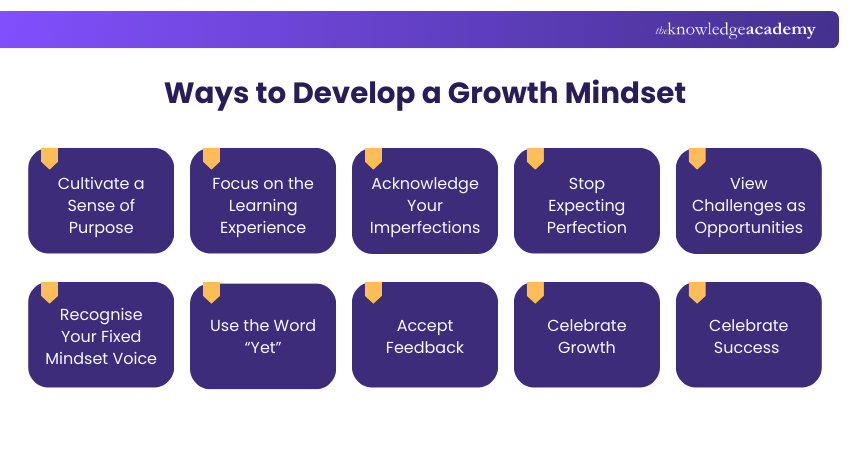
Why do some individuals show continuous improvement in their abilities while others appear to plateau despite similar opportunities? Educational psychology and behavioral analytics provide a structured explanation through the concept of mindset orientation. In modern learning environments, what is growth mindset is often explored as a foundational question for understanding how people develop skills, respond to challenges, and improve performance over time. Data from academic research and performance tracking systems suggests that mindset plays a measurable role in shaping learning behavior, persistence, and long-term achievement patterns.
How can a growth mindset be defined in simple terms?
A growth mindset is the belief that abilities and intelligence are not fixed but can be developed through consistent effort, effective learning strategies, and feedback. Instead of viewing skills as permanent traits, individuals with this perspective see them as adaptable. Statistical observations in educational studies show that learners who adopt this belief tend to engage more actively in learning tasks and demonstrate higher levels of persistence when facing difficulty.
What does behavioral data suggest about learners with this mindset?
Large-scale educational datasets reveal consistent patterns. Learners who adopt improvement-focused thinking are more likely to attempt difficult tasks, spend additional time practicing complex subjects, and revisit concepts until mastery is achieved. These behaviors are strongly associated with improved academic performance indicators over time. In contrast, learners with fixed beliefs about ability often show reduced engagement after encountering challenges.
How does a growth mindset influence performance trends over time?
Longitudinal studies tracking student performance across multiple academic years indicate a steady upward trend in achievement among learners who consistently demonstrate adaptive thinking patterns. While initial performance levels may vary, the rate of improvement is often higher for those who believe in skill development. This suggests that mindset contributes more significantly to progress trajectory than to initial ability levels.
Why is effort considered a key statistical variable in growth-oriented learning?
Effort is one of the most frequently measured variables in educational performance research. Data shows a strong correlation between time spent on deliberate practice and improvement in subject mastery. A growth mindset reinforces the value of effort by framing it as a pathway to development rather than a reflection of limitation. This perspective increases sustained engagement, which contributes to long-term skill accumulation.
How does feedback shape learning behavior in this context?
Feedback plays a critical role in shaping performance outcomes. Studies show that learners who interpret feedback as guidance rather than criticism tend to adjust their strategies more effectively. This adaptive response leads to improved accuracy, stronger conceptual understanding, and better retention of information. Over time, feedback becomes a tool for refinement rather than evaluation alone.
Can mindset influence academic resilience during failure?
Behavioral data from classroom environments suggests that learners with growth-oriented thinking recover more quickly from setbacks. Instead of disengaging after mistakes, they are more likely to analyze errors and retry tasks. This behavior increases completion rates in challenging assignments and contributes to consistent academic progress even in difficult subjects such as mathematics and science.
What role does motivation play in a growth mindset framework?
Motivation in this context is often driven by internal satisfaction derived from progress rather than external validation. Statistical surveys in education systems show that learners who focus on improvement rather than comparison tend to maintain higher motivation levels over longer periods. This sustained motivation supports continuous practice, which is essential for skill development.
How does mindset affect learning efficiency?
Learning efficiency is often measured by how quickly and effectively individuals acquire new skills. Research indicates that students with adaptive thinking patterns tend to experiment with multiple strategies until they find effective methods. This flexibility increases efficiency over time, as learners refine their approach based on outcomes and feedback loops.
Is there measurable evidence of improvement in group learning environments?
Yes, classroom-level analyses show that environments encouraging development-focused thinking often produce higher overall engagement rates. When group members share a belief in improvement through effort, collaboration increases, participation becomes more balanced, and collective problem-solving improves. These environments often show better academic consistency across diverse learner groups.
How does a growth mindset interact with long-term success patterns?
Long-term tracking of academic and professional development suggests that individuals who consistently apply growth-oriented thinking are more likely to achieve progressive milestones. This includes advancement in education levels, improved skill certification outcomes, and stronger adaptability in changing environments. These patterns highlight the cumulative impact of sustained learning behavior.
Can mindset be influenced or developed over time?
Behavioral studies indicate that mindset is not fixed and can evolve with experience. Exposure to supportive environments, constructive feedback, and repeated learning challenges can gradually shift how individuals perceive ability and effort. This adaptability makes mindset a dynamic factor in educational development rather than a permanent trait.
Why is this concept widely studied in modern research?
Modern research emphasizes adaptability and lifelong learning as essential skills. A growth-oriented approach aligns with these priorities by encouraging continuous improvement. Data-driven studies frequently include mindset as a variable because it helps explain differences in performance trajectories that cannot be fully attributed to resources or initial ability alone.
What practical patterns emerge from statistical observations?
Across multiple studies, consistent patterns emerge. Learners who demonstrate persistence, seek feedback, and engage in repeated practice tend to show higher performance gains over time. These behaviors are commonly associated with growth-oriented thinking and highlight the importance of psychological factors in measurable learning outcomes.
How does mindset contribute to skill mastery?
Skill mastery requires repetition, correction, and refinement. A growth mindset supports this process by encouraging sustained engagement even during slow progress phases. Statistical learning models show that consistent practice over time leads to exponential improvement curves, especially when combined with adaptive strategies.
Conclusion
A growth mindset represents a structured psychological approach to learning that emphasizes development through effort, feedback, and adaptability. Data from educational and behavioral research consistently shows that individuals who adopt this perspective tend to exhibit stronger persistence, improved learning behaviors, and more stable long-term performance growth. While it does not replace instruction or natural ability, it significantly influences how effectively individuals use opportunities for development. In environments that demand continuous learning and adaptation, understanding this concept provides valuable insight into how progress is achieved and sustained over time.