

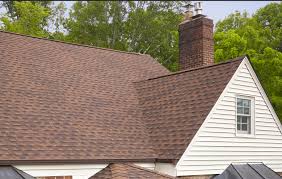
Roof valleys play an essential role in directing rainwater and debris off a home. However, because they handle large volumes of water and face constant exposure to weather changes, they are among the most vulnerable parts of any roof system.
Understanding the Function of Roof Valleys
A roof valley is the line where two roof slopes meet, forming a channel that guides water toward the gutters. Its design helps prevent pooling on the roof surface, but this same function makes it prone to wear. Proper installation and materials are critical for ensuring long-term durability.
Common Causes of Damage in Roof Valleys
Valleys experience more stress than other roof areas. Factors such as heavy rainfall, snow accumulation, and debris buildup frequently contribute to early deterioration. Over time, small cracks or gaps can lead to leaks that spread into the attic or interior walls.
- Improper shingle alignment or cutting
- Corrosion of metal flashing
- Clogged gutters and debris accumulation
- Ice dams forming during freezing conditions
The Role of Proper Installation
The craftsmanship of a roofing contractor directly influences how well a valley performs. Skilled professionals ensure correct layering of underlayment, flashing, and shingles to prevent water intrusion. Even small mistakes during installation can shorten the life of the entire roofing system.
Material Selection for Enhanced Protection
Choosing the right materials helps strengthen roof valleys against moisture and physical damage. Metal flashing, high-quality shingles, and waterproof membranes all add layers of defense. Each element works together to manage water flow efficiently and minimize the risk of leaks.
Maintenance Practices That Extend Roof Life
Routine maintenance is essential for keeping valleys in good condition. Homeowners should inspect these areas regularly, especially after storms or seasonal changes. Early detection of minor issues helps prevent costly repairs later.
- Clear leaves and twigs from gutters and valleys
- Check for cracked or missing shingles
- Ensure flashing remains securely fastened
- Look for signs of water staining or mold in attic spaces
Impact of Severe Weather on Roof Valleys
Storms often expose weak points in roof valleys. High winds can lift shingles, while hail may dent or puncture flashing. After major weather events, a professional assessment helps determine whether a storm roof replacement is necessary to restore full protection.
Signs Your Roof Valley May Need Attention
Visible cracks, rust on flashing, or water stains inside the home are common signs of valley deterioration. Sagging or uneven surfaces also indicate trapped moisture or structural strain. Addressing these issues promptly prevents secondary damage to insulation and framing.
Preventive Measures for Long-Term Durability
Investing in quality materials, professional installation, and consistent maintenance ensures that roof valleys remain strong over time. Adequate ventilation and proper gutter systems further support water flow, reducing the likelihood of leaks or structural decay.