

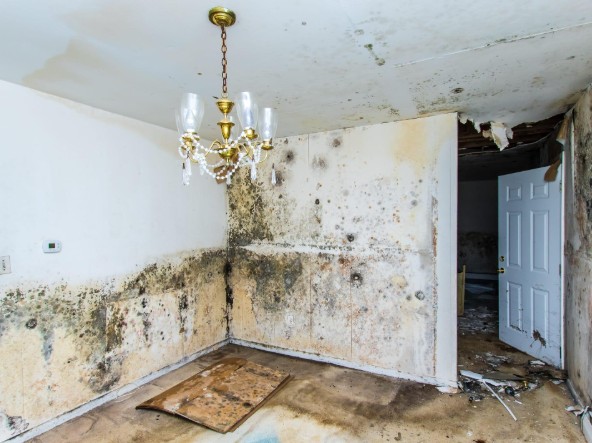
Whether a mold-damaged material can be cleaned depends on its surface, condition, and how far moisture has reached. A small patch on tile is a different problem from mould inside soaked drywall.
Identify and fix the cause of the dampness before treating the affected material. Without that repair, mould can return even after cleaning or replacement.
Hard Surfaces Can Often Be Cleaned
Glass, metal, tile, and many plastics do not readily absorb water. If mould is limited to the surface, you can often clean these materials with a cloth and a small amount of unscented soap solution, then dry them thoroughly.
Check nearby joints and edges, too. Mould on bathroom tile may be easy to wipe away, but a leaking pipe or persistently damp wall behind it needs separate attention.
Drywall Depends on the Damage
A small surface patch on sound, painted drywall may be cleanable without removing the panel. Use only a damp cloth, since adding too much water can make the problem worse.
If the drywall feels soft, has swollen from water, or shows mould beneath the paint, you may need to replace the affected section. Growth inside the wall also calls for a closer inspection to determine how much material must be removed before repairs are finished.
Insulation Usually Needs a Closer Look
Insulation is difficult to clean once it becomes wet or moldy. Moisture and growth can extend through the material, beyond what is visible from the attic or basement.
A contractor assessing insulation removal Ottawa homeowners need should identify the affected area and look for the moisture source. Install new insulation only after addressing the underlying problem and ensuring the space is dry.
Carpets and Other Absorbent Items
Carpet, ceiling tiles, cardboard, and upholstered furniture can hold moisture within their fibers. When these materials develop mould or stay wet after a leak, cleaning may not reach the moisture trapped inside them.
Washable fabrics are a separate case: some can be cleaned and fully dried if the damage is limited. If an item still smells musty or shows visible growth after cleaning, replacement may be the more practical choice.
Wood Needs an Assessment
Surface mould on sound wood may be removable after the moisture problem is corrected. Wood that has stayed wet, softened, or shows signs of decay needs a closer assessment before anyone covers it with new material.
A dark stain on wood is not always mould, and wiping it off may leave the underlying problem unresolved. Have the wood checked for moisture and damage, and find out what caused the mark.
When to Bring in a Professional
A large affected area, recurring mould, hidden growth, or damage after a flood calls for professional advice. Tell the contractor where you have seen water or noticed a musty smell, even if that area looks dry now.
For mold removal in Ottawa, ask the assessor to explain which materials can be cleaned, which need replacement, and how the moisture source will be fixed. Ask for these decisions in writing before work begins.