

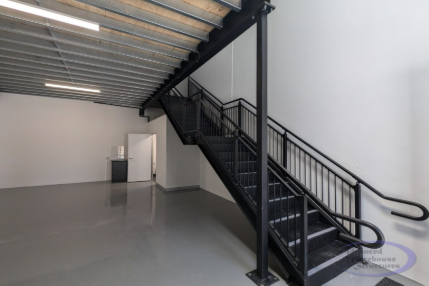
In today’s fast-evolving industrial and commercial landscape, Australian businesses are under pressure to grow without expanding their physical footprint. This has led to a surge in demand for smart vertical solutions—and one of the most effective options is the mezzanine floor, which has quietly become the secret weapon of modern workplaces looking to increase space, boost efficiency, and stay competitive.
The Space Crunch Dilemma in Australian Workplaces
From bustling warehouses in Melbourne to corporate offices in Sydney, space has become a premium asset. With commercial real estate prices skyrocketing and urban zoning constraints becoming more rigid, businesses are seeking practical ways to optimise existing facilities instead of relocating or investing in expensive extensions.
A mezzanine floor provides a scalable solution to this challenge. It takes advantage of unused vertical airspace, adding an entire level without changing a building’s footprint. Whether for storage, office use, production, or retail, these systems offer instant, customisable floor space—without the capital-intensive process of expanding or relocating.
Cost-Efficiency: A Compelling Business Case
When evaluating capital expenditure, mezzanine floors offer exceptional ROI. Compared to constructing an entirely new building or leasing additional premises, mezzanine installation is significantly more cost-effective.
Fabrication and installation costs are predictable and relatively low. In many cases, businesses can reclaim their investment within a year through improved operational efficiency and reduced rental dependency. For fast-growing SMEs, this can be a game-changer—freeing up capital for hiring, R&D, or technology upgrades.
Additionally, mezzanines are often classified as semi-permanent structures, which may mean fewer regulatory hurdles and lower long-term compliance costs. This makes them a smart, low-risk investment for businesses watching their bottom line.
Tailored Design for Every Industry
One of the reasons for the rise of mezzanine floors in Australia is their high adaptability. Custom design and fabrication ensure each system meets the exact operational, safety, and spatial requirements of the workplace.
In logistics and warehousing, mezzanines can support automated systems, heavy loads, and dynamic storage layouts. In retail, they add visual appeal and display space. For offices, they create collaborative zones or quiet areas—all within the existing footprint.
Moreover, today’s mezzanine systems can be fabricated using lightweight, high-strength materials that blend seamlessly into modern architecture. Powder-coated finishes, stair designs, safety rails, and flooring options can all be customized to align with brand aesthetics and operational goals.
Rapid Installation, Minimal Disruption
Downtime is a major concern for any business. Fortunately, custom mezzanine floor systems can be installed with minimal disruption to daily operations. Fabrication typically happens offsite, which reduces on-site construction time. Modular designs allow for phased installation—ideal for active industrial sites or customer-facing environments.
In some cases, businesses can remain fully operational throughout the process. This is particularly valuable in industries where halting production or closing retail doors, even temporarily, can have a lasting financial impact.
Flexibility for the Future
Australian businesses are increasingly embracing agile infrastructure. With the uncertainties of supply chains, labour markets, and customer behaviour, organisations want solutions that adapt as they evolve.
Mezzanine floors provide precisely that. They can be dismantled, relocated, extended, or reconfigured as needs change. This level of flexibility ensures your investment remains viable even as business directions shift, making it easier to scale up—or pivot—without additional real estate burdens.
This future-proofing is especially relevant in today’s climate, where resilience and adaptability are more than just buzzwords—they’re essential for survival and growth.
A Sustainable Approach to Space Utilisation
Sustainability is no longer optional—it’s an expectation. Mezzanine floors support green building practices by reducing the need for new construction. Reusing and optimising existing buildings keeps materials out of landfills and reduces carbon emissions associated with construction and demolition.
Additionally, modern mezzanine systems can incorporate energy-efficient lighting, recycled materials, and ventilation solutions that align with sustainability targets. For businesses aiming for green certifications or ESG benchmarks, this is a tangible and visible step toward environmentally responsible operations.
The Strategic Choice for Growing Businesses
Ultimately, the rise of mezzanine floors in Australian workplaces is driven by a convergence of strategic benefits—cost savings, design flexibility, sustainability, and space optimisation. They allow businesses to think vertically, not just laterally, transforming airspace into a valuable asset.
Decision-makers across industries are recognising that these systems are not just a short-term fix, but a long-term infrastructure upgrade that supports growth without overextending resources.
If your organisation is outgrowing its current space or looking for smarter ways to scale, it may be time to consider whether a custom-designed mezzanine floor system could unlock the potential hiding in plain sight—right above your head.