

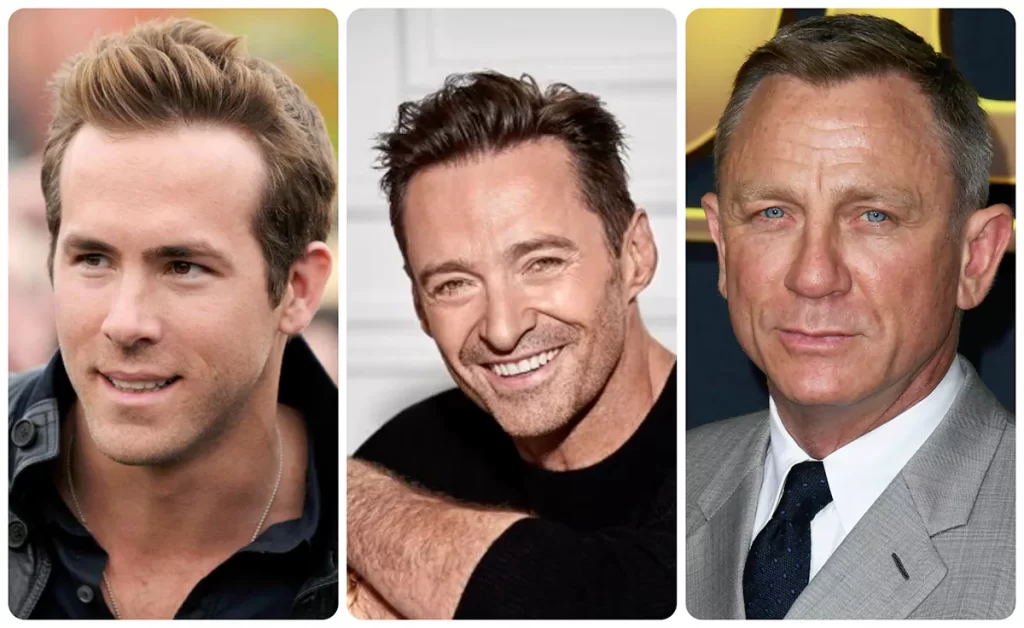
In a society that often equates youth with beauty, many men become concerned when their hairline begins to change. However, it’s important to understand that such changes are a natural part of aging. According to a study published in the Journal of Investigative Dermatology, up to 80% of European men may experience a receding hairline by the age of 80, and about 85% of American men by age 50. These statistics highlight that changes in hairline are common and often natural. For some, embracing this change means accepting it as part of aging, while others may explore solutions like a toupee for men to maintain a desired look.
This blog aims to demystify the differences between mature and youthful hairlines, helping you understand what’s natural and when to seek advice.
What Is a Youthful Hairline?
A youthful hairline, often referred to as a juvenile hairline, is typically characterized by a low, straight, and rounded shape. This hairline is common in boys and young men during their teenage years and early twenties. It sits close to the eyebrows and often creates a smooth, symmetrical arc across the forehead.
A youthful hairline appears soft and full, with no noticeable recession at the temples. This appearance is often associated with vitality, energy, and a fresh-faced look. However, it’s important to note that very few men retain this hairline beyond their early twenties without some form of surgical or cosmetic intervention. As testosterone levels shift with age, the hairline naturally adjusts, becoming slightly higher and more angular. This change, though often feared, is a normal and expected development.
Key Features of a Youthful Hairline:
- Low Position: Usually positioned about 1 to 1.5 centimeters above the highest crease of the forehead.
- Even Contours: The hairline tends to follow a rounded or slightly oval shape.
- Symmetry: Both sides of the hairline mirror each other closely.
What Is a Mature Hairline?
A mature hairline represents the natural progression of hair growth as men age. Typically beginning between the ages of 17 and 30, a mature hairline is often misunderstood and unfairly labeled as the first sign of balding. In reality, it’s a biologically expected shift.
Characteristics of a Mature Hairline:
- Slight Recession: Most notably at the temples, often forming a subtle ‘M’ or ‘V’ shape.
- Higher Position: The hairline moves up by about 1 to 2 centimeters.
- Symmetrical Recession: Both sides tend to recede evenly.
- Stability: Unlike balding, a mature hairline typically stabilizes and does not progress significantly.
This shift doesn’t mean you’re balding; it’s simply your body aligning with age-appropriate aesthetics. It often enhances masculine features like a more prominent brow or defined cheekbones. For many, it’s a rite of passage into adulthood.
Mature Hairline vs. Youthful Hairline: Key Differences and Natural Progression
To understand what’s truly more natural, it helps to examine the transition from a youthful to a mature hairline. These are not two opposing conditions, but rather stages on the same spectrum of male hair development.
A youthful hairline is something most boys are born with, but as puberty ends and hormonal levels shift, so does the hairline. This transition is not a flaw—it’s a biological normality. Many men reach their early 20s and notice a slight upward shift, especially around the temples. That’s the mature hairline beginning to take shape.
While the youthful hairline is characterized by a straight, low arc, the mature hairline adds definition and dimension, aligning better with adult facial features. In fact, hair restoration surgeons often recommend recreating a mature, rather than youthful, hairline during procedures to ensure a natural result.
Understanding that this transition is expected—and not a red flag—can help men navigate their self-image with greater ease.
How Hairlines Evolve Over Time
Hairlines are dynamic and shift subtly over the decades. Recognizing what’s typical at each stage of life helps demystify the process and reduces anxiety around natural change. For those who experience significant recession and feel it impacts their confidence, modern options like a hair patch for men offer a non-surgical, realistic way to regain fullness without committing to invasive procedures.
1. In Your 20s:
This is typically the decade of transition. Most men who start with a youthful hairline will begin noticing minor recession at the temples or an overall rise in the forehead. It’s during this time that a mature hairline becomes established. These changes are subtle but completely normal.
2. In Your 30s and 40s:
The mature hairline stabilizes in most men, but genetics play a stronger role here. Those predisposed to male pattern baldness may start to see further recession or thinning. However, those without a family history of hair loss will often maintain their mature hairline without major change.
Lifestyle factors like stress, nutrition, and sleep can influence hair health during this stage. Regular care and scalp maintenance can help retain fullness and health.
3. In Your 50s and Beyond:
Even men without a history of balding may notice their hairline receding further or hair texture becoming finer. These signs are often part of normal aging. It’s crucial to differentiate between typical age-related changes and conditions requiring medical evaluation.
Recognizing these timelines helps men set realistic expectations and prevents overreactions to natural development.
Why a Mature Hairline Might Look More Natural
Contrary to media portrayals, a mature hairline often offers a more realistic and flattering look for adult men. It communicates age, experience, and authenticity—all of which can be powerful traits.
H3- Here’s why it often looks more natural:
- Age-Appropriate Design: A hairline that aligns with your current age avoids jarring contrasts between hair and facial features.
- Facial Harmony: Mature hairlines complement bone structure as it changes with age.
- Less Maintenance: A slightly higher hairline can be easier to maintain, especially as natural thinning occurs over time.
Ultimately, a mature hairline doesn’t make you less attractive. It often frames the face more effectively, giving you a distinguished, confident appearance.
You don’t need to chase your teenage hairline to feel or look great. Being in sync with your appearance, whatever that may look like, is the ultimate goal.
Let’s Redefine “Natural” for Men’s Hairlines
Youthful hairlines may dominate social media, but the truth is, mature hairlines are more common, more natural, and often more attractive for grown men. A slight recession is not a loss—it’s a shift into a different kind of confidence.
Let’s normalize the natural aging process and reframe what “looking good” means. Whether you choose to embrace your hairline or enhance it, the most natural thing you can do is feel comfortable in your own skin.
True attractiveness doesn’t lie in the height of your hairline—it lies in the confidence with which you wear it.