

Building a custom eyeshadow look allows you to combine colors, finishes, and techniques that reflect your personal style. Instead of following a fixed makeup approach, you can create combinations that match your mood, occasion, and features. A well-planned eyeshadow palette gives you the flexibility to experiment with different tones while maintaining balance and harmony. Creating a custom look involves selecting a color direction, layering complementary shades, mixing textures, and adjusting placement. With the right approach, you can design eye makeup that feels unique, polished, and suited to you.
Define the Style and Color Direction of Your Custom Look
Before choosing shades, define the overall style and color direction you want to create. Decide whether your look will be natural, bold, soft, dramatic, or artistic. Consider the colors that complement your skin tone, eye shape, and personal preferences. A clear vision helps you select shades that work together rather than choosing random colors that compete with each other. Think about the mood you want your makeup to express, then build your custom eyeshadow combination around that idea for a more intentional result.
Build Your Look With Complementary Eyeshadow Shades
Select a Base Shade to Set the Overall Tone
A base shade establishes the foundation of your custom eye look and influences how the remaining colors appear. Choose a color that complements your skin tone and matches the direction of your makeup style. Neutral tones can create a soft background, while slightly richer shades can add warmth or depth from the beginning. Apply the base evenly across the eyelid to create a smooth canvas. This first step helps other eyeshadows blend more naturally and creates a balanced starting point.
Add Mid-Tones and Deep Shades for Shape and Definition
Mid-tone and deep shades help create dimension by adding structure and contrast to your eye makeup. Use mid-tones to build transitions in the crease and connect lighter and darker colors smoothly. Deeper shades can define the outer corner, lash line, or areas where you want more intensity. Applying these colors gradually gives you better control and prevents the look from becoming uneven. A thoughtful combination of depth levels allows your custom eyeshadow look to appear more refined.
Introduce an Accent Color to Personalize the Look
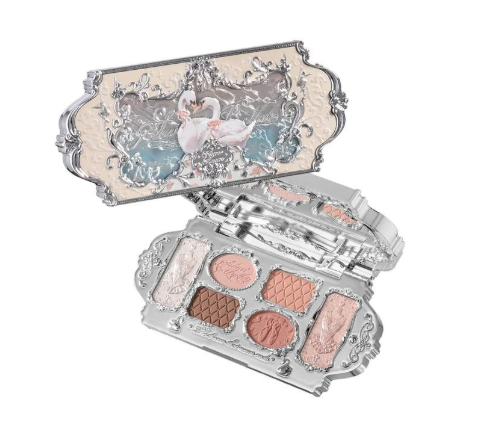
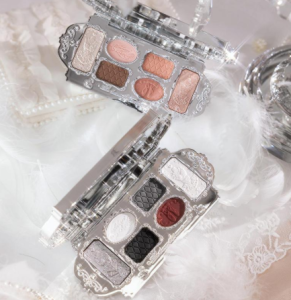
An accent color adds personality and makes your custom eyeshadow look unique. Choose a shade that complements your main colors while introducing a different tone, such as a jewel color, soft pastel, or subtle shimmer. The Flower Knows Swan Ballet Six-Color Makeup Palette in 01 White Swan – Warm Neutrals features a selection of shades ranging from peachy pink to warm brown, complemented by delicate shimmers that add a soft touch of radiance. These warm neutral tones can create a balanced everyday look, while a hint of shimmer on the center of the eyelid or inner corner can introduce a refined accent. Apply accent shades strategically rather than covering the entire eyelid, allowing them to create focus without overwhelming the look. This approach gives you the freedom to experiment while keeping the overall makeup balanced. A well-chosen accent color can transform a simple combination into a distinctive style.
Mix Eyeshadow Finishes to Add Dimension and Character
Use Matte Shades to Create Structure and Depth
Matte shades are essential for creating structure, definition, and smooth transitions in a custom eye look. They work well for shaping the crease, adding depth to the outer corner, and creating a balanced background for brighter finishes. Because matte colors absorb light, they help define areas without adding extra reflection. Layering matte shades carefully allows you to build dimension while keeping the overall appearance polished. They provide the foundation needed for combining other finishes effectively.
Place Shimmer or Metallic Shades Where You Want Focus
Shimmer and metallic shades help draw attention to specific areas of the eyes and add visual interest. Apply these finishes to the center of the eyelid, inner corner, or other areas you want to highlight. Their reflective quality can brighten the look and create a more dimensional effect when paired with matte shades. Using them strategically prevents the makeup from appearing overly busy. A controlled placement of shimmer or metallic colors helps your custom look feel intentional and balanced.
Balance Different Finishes for a Cohesive Result
Combining different finishes creates a more complete and professional-looking eyeshadow style. Too many matte shades may make a look appear flat, while using only shimmer can reduce definition. Balance is created by allowing each finish to serve a purpose. Use matte colors for structure, shimmer for brightness, and metallic shades for stronger accents. When finishes work together, they create contrast and dimension while maintaining a smooth overall appearance. This balance helps your custom look feel cohesive.
Refine Your Custom Eye Look With Placement and Blending
Adapt Shade Placement to Your Natural Eye Shape
Adjusting shade placement according to your natural eye shape helps create a more flattering result. Apply deeper colors where you want added definition and lighter shades where you want brightness or openness. Different eye shapes may benefit from changes in crease placement, outer-corner emphasis, or highlight positioning. Understanding your features allows you to customize the technique rather than applying every look the same way. Thoughtful placement with a colorful eyeshadow palette enhances your eyes while keeping the makeup balanced and comfortable.
Blend Transitions Without Losing Color Definition
Blending creates smooth connections between shades, but maintaining color definition is equally important. Use gentle movements to soften edges where colors meet while keeping each shade visible. Over-blending can remove contrast and make the look appear muddy, so focus on targeted areas instead. Build colors gradually and use clean brushes when needed to maintain control. Proper blending creates a seamless finish while preserving the structure and personality of your custom eyeshadow design.
Adjust Details Until the Look Feels Balanced and Personal
The final step in creating a custom eye look is refining small details until the result feels complete. Adjust intensity, add more color where needed, or soften areas that appear too strong. Small changes in placement, blending, or finish can significantly improve the overall effect. Your makeup should reflect your preferences, so take time to evaluate the balance between colors and textures. Personal adjustments transform a basic combination into a look that feels designed specifically for you.
Conclusion
Creating a custom eyeshadow look gives you the freedom to combine shades, finishes, and techniques that match your personal style. Start by defining your color direction, then build dimension with base shades, transitions, deeper tones, and accent colors. Mixing matte, shimmer, and metallic finishes adds character, while careful placement and blending create a polished result. A thoughtful approach allows your eyeshadow palette to become a tool for creativity rather than just a collection of colors. With practice and experimentation, you can create unique eye looks that feel balanced and personal.