

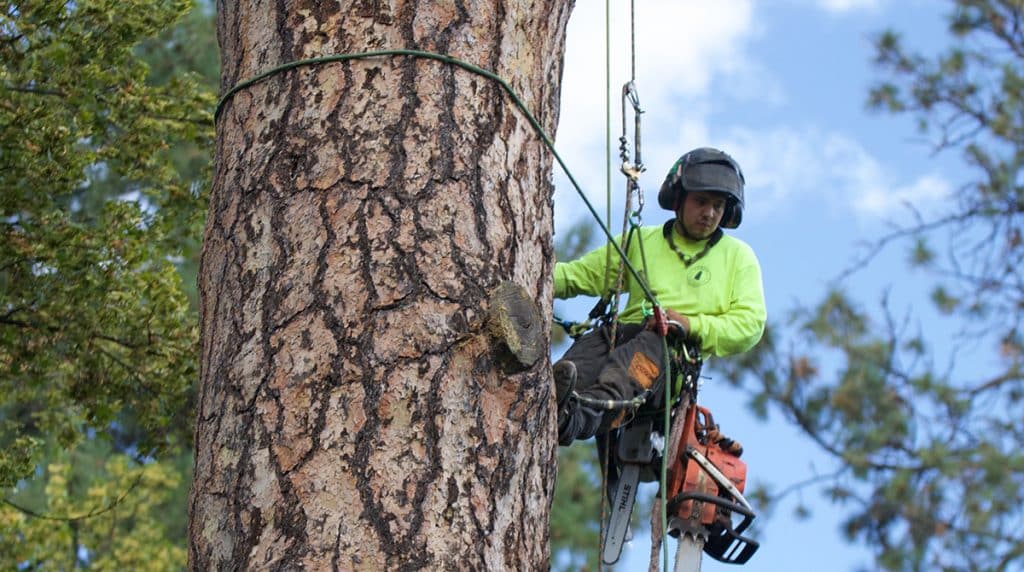
Hiring a certified arborist is crucial for tree health and safety. Their specialized training equips them to manage tree risks effectively.
Professional tree health assessments enhance survival rates and property values by detecting diseases, pests, and structural issues early on.
Arborists promote sustainability in urban forestry; they select suitable tree species, strengthen urban ecosystems, and educate communities on tree care.
Well-maintained trees can elevate property values significantly, with investments in expert tree care frequently yielding returns up to three times the initial expenditure.
They can detect hazardous tree conditions like cavities, dead branches, and fungal growth, which helps property owners manage risks proactively.
Regular inspections and strategic pruning are proactive measures that help avoid property damage and maintain long-term tree health.
Tailored care plans are essential for addressing the specific needs of different tree species, covering soil, water, and fertilization requirements to ensure optimal growth and longevity.
Uncovering the Value of Professional Tree Care
Why Hiring a Certified Arborist is Non-Negotiable
Engaging a professional arborist isn’t just about aesthetics; it underscores a commitment to the trees’ health and longevity. These experts have the necessary training and certification to assess and manage tree risks effectively. Without their expertise, homeowners and businesses may overlook hazards that could lead to costly damages. Their ability to blend scientific knowledge with artistic vision enables them to create thriving landscapes that prioritize public safety.
Local municipalities understand the critical importance of tree care, often requiring mandatory arborist inspections for various projects. Not only do expert arborists reduce risks, but they also provide education on best practices for sustained growth. Trees need specialized care – different species vary in their needs, and generic approaches rarely yield favorable outcomes.
So why rely on guesswork? An expert can navigate the complexities of tree health. Hiring a certified arborist leads to data-driven decisions tailored specifically to the flora in question, resulting in more customized management strategies and ultimately better results.
Key Benefits of Expert Tree Health Assessments
Tree health assessments are fundamental for successful tree management strategies. These evaluations not only enhance aesthetics but also increase property value. Professionals assess trees for risks including diseases, pest infestations, and structural issues.
When clients opt for professional assessments, they gain:
- Thorough Health Evaluations: Experts conduct detailed inspections, looking for stress or disease signs.
- Emergency Response Plans: Arborists can quickly formulate response strategies when a tree poses immediate threats.
- Long-Term Planning: They provide recommendations that support long-term tree health and viability.
These comprehensive evaluations are vital in urban areas, where trees endure unique stressors like air pollution and restricted root space. Acknowledging these factors facilitates informed tree care choices that prioritize health and safety.
The Role of Arborists in Urban Forestry
Championing Sustainability in City Landscapes
Urban forestry presents arborists with unique challenges and opportunities. They are integral to developing green spaces that benefit communities and foster biodiversity. As urban areas grow, merging development with conservation becomes vital.
Arborists champion sustainability through:
- Planting Appropriate Species: Choosing native and drought-resistant trees can minimize resource usage.
- Improving Urban Ecosystems: Well-managed trees enhance air quality and help mitigate urban heat.
- Educating Communities: Workshops engage residents, leading to a richer appreciation of trees.
Here’s the reality: Communities attuned to their environment are more likely to flourish. By managing trees effectively, cities can enhance their beauty and establish robust ecological networks.
How Arborists Enhance Property Value Through Tree Management
Research shows that properly maintained trees can raise property values significantly. In fact, investing in professional tree care often brings about returns that are three times the initial investment. It’s a smart choice for residential and commercial properties alike.
The benefits are substantial:
- Improved Aesthetics: Arborists shape trees to complement landscapes, visibly enhancing properties.
- Increased Market Demand: Properties with healthy trees tend to attract more buyer interest.
- Better Energy Efficiency: Trees strategically placed provide shade, lowering cooling costs during hotter months.
Trees are more than ornamental; they serve as strategic assets. Partnering with arborists can turn a landscape into a valuable investment.
Understanding Tree Risk Management and Hazard Mitigation
Identifying Dangerous Tree Conditions: What to Look For
Even the most picturesque tree can pose hazards. Arborists have the training to spot conditions indicating potential risks. Issues like disease, structural weaknesses, and environmental factors can worsen if not addressed promptly.
Warning signs include:
- Cavities and Cracks: These may indicate internal decay, leading to structural failure risks.
- Dead or Dying Branches: These often signal broader health problems and can break off, posing injury risks.
- Fungal Growth: Fungi often indicate underlying diseases that compromise the tree’s stability.
Effective tree management depends on vigilance regarding these indicators. Homeowners collaborating with professionals can invest in their properties with greater confidence.
Proactive Measures to Prevent Property Damage
Experts recommend various strategies that not only manage existing problems but also prevent new ones. Proactive measures save homeowners both time and money. Routine assessments and meticulous planning can mitigate potential hazards.
Recommended strategies include:
- Regular Inspections: Scheduled evaluations can reveal problems before they escalate.
- Strategic Pruning: Expert pruning targets weak branches and promotes healthy growth.
- Maintenance of Surrounding Landscapes: Safeguarding trees from interference with structures or vehicles is crucial for longevity.
These proactive steps provide peace of mind. Awareness is the first step toward ensuring a safer, more beautiful property.
Maximizing Tree Longevity: Best Practices from the Pros
Tailored Care Plans for Different Tree Species
Tree care isn’t a one-size-fits-all scenario. Various species react differently to treatments. A personalized care plan designed by a skilled arborist ensures that each tree’s unique needs are attended to. Different trees have specific water, soil, and light needs, all of which influence their health.
When creating care plans, considerations typically encompass:
- Soil Analysis: Understanding soil composition aids in selecting appropriate treatment strategies.
- Water Requirements: Some species can handle drought better than others, or vice versa.
- Fertilization Protocols: Timely fertilizer application supports optimal health and vigor.
It’s not merely about survival; it’s about thriving. Tailored strategies ensure that each tree reaches its fullest potential.
The Importance of Seasonal Pruning and Maintenance
Timing is crucial for tree health. Seasonal pruning is essential for maintaining tree health and longevity. When performed at the right season, pruning not only improves a tree’s shape but also encourages growth and minimizes the risk of disease.
Expert advice on when and how to prune can yield remarkable results:
- Spring Pruning: This encourages healthy growth, shaping trees for the season ahead.
- Summer Pruning: This modifies tree structure while allowing for easy pest identification.
- Winter Pruning: Ideal for specific species, winter allows for clear visibility of tree structure.
The investment in seasonal maintenance clearly pays off. Well-pruned trees are healthier, safer, and more visually appealing. They enhance landscapes while positively impacting the environment.
A professional arborist delivers invaluable support in both urban forestry initiatives and private landscape management. By investing in their expertise, homeowners and property managers gain meaningful insights and increased property value, all while fostering the vitality of trees in their communities.
FAQ
What qualifications should an arborist have?
Professionals typically seek certification from respected organizations like the International Society of Arboriculture (ISA). This certification guarantees that the arborist has completed rigorous training and has a deep understanding of tree biology, health assessment, and risk management.
How often should trees be assessed by an arborist?
Annual assessments are frequently recommended for most trees, particularly those in urban environments where environmental stressors are common. However, trees with known issues might need more frequent evaluations to monitor their health and stability.
Can arborists help with tree planting as well?
Absolutely, arborists are pivotal in the tree planting process, selecting appropriate species for the environment and ensuring correct planting techniques. Their expertise can greatly enhance the likelihood of successful establishment and growth in urban settings.
What is the best time of year for tree pruning?
Seasonality is important in pruning. Spring often serves as the perfect time for promoting growth, while late winter or early spring is ideal for many species. Arborists understand the specific requirements of different trees, making their timing recommendations highly valuable.
Are there specific signs that indicate a tree needs professional care?
Definitely. Indicators such as yellowing leaves, dead branches, visible fungi, or unusual leaning suggest a necessity for professional assessment. Homeowners should respond promptly to these signs to avert further complications.
How can tree care influence local wildlife?
Proper tree care can significantly enhance habitats for local wildlife by nurturing healthy ecosystems. Healthy trees provide food and shelter for numerous species, promoting biodiversity and supporting a balanced urban ecosystem.
What’s the difference between an arborist and a regular landscaper?
An arborist specializes in tree health and care, along with risk assessments, while a landscaper focuses more on gardening and design. For tree-related issues, hiring an arborist ensures the matter is handled with the requisite expertise.
Can tree maintenance affect energy costs for homes?
Indeed. Well-placed trees create shade, which can lead to substantial cooling cost reductions during warmer months. An arborist can aid in the strategic planting or maintenance of trees to optimize energy efficiency and help lower utility bills.