

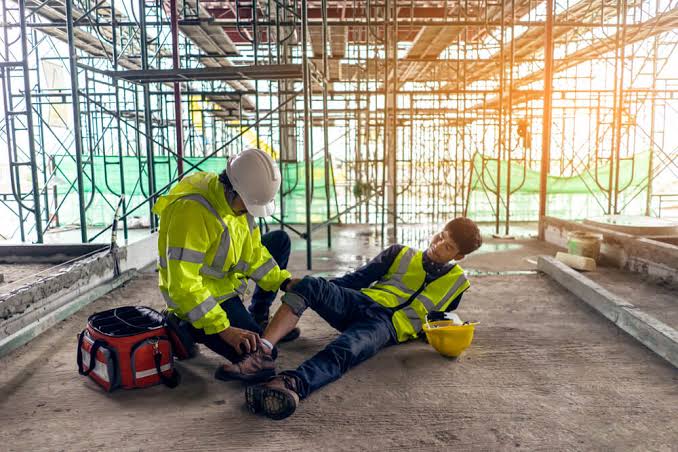
A construction accident can leave a worker dealing with pain, medical bills, missed work, and uncertainty about what happens next. Knowing when to seek legal help after a construction accident can make it easier to protect important rights and understand the options available after an injury. Some accidents are minor, but others can lead to long-term physical, financial, and personal consequences.
Construction sites contain many hazards, including heavy machinery, elevated work areas, electrical systems, power tools, vehicles, scaffolding, and falling materials. The CDC and National Institute for Occupational Safety and Health report that falls remain a leading cause of work-related deaths in construction. CDC and NIOSH construction safety information When an accident occurs, taking the right steps early can help preserve important information and make it easier to determine what happened.
Serious Injuries May Require Legal Guidance
Not every workplace injury requires an attorney. However, legal guidance may be helpful when an accident results in a serious injury, extended medical treatment, permanent impairment, or significant time away from work.
Construction accidents can cause broken bones, burns, spinal injuries, traumatic brain injuries, amputations, internal injuries, and other serious conditions. Some injuries may not be fully understood immediately after an accident. A worker who initially feels able to return to work may later discover that the injury requires months of treatment.
A serious injury can also affect a person’s ability to earn income. Medical appointments, rehabilitation, medication, transportation, and other expenses can add financial pressure while the injured worker is unable to perform the same job duties. Speaking with an attorney can help an injured worker understand which issues should be considered when evaluating a potential claim.
When Another Party May Be Responsible
Construction sites often involve multiple companies and workers. A general contractor, subcontractor, property owner, equipment manufacturer, or other party may have responsibilities related to safety. Because several parties may be involved in one project, determining who may be legally responsible can require a careful review of the accident.
For example, an injury may involve defective equipment, unsafe working conditions, inadequate training, poor site management, missing safety equipment, or another dangerous condition. OSHA states that employers have responsibilities that include providing a workplace free from serious recognized hazards and ensuring workers have and use safe tools and equipment. OSHA employer responsibilities
This does not automatically mean an employer or another party is legally liable for every accident. Responsibility depends on the facts and the laws that apply to the particular situation. An attorney can review the circumstances and identify the parties and legal issues that may need further investigation.
Evidence Can Become Harder to Find
One important reason to seek legal advice early is that evidence can change or disappear. Construction sites are active environments. Equipment may be repaired, moved, replaced, or returned to service. Materials can be removed, and employees or witnesses may move to another job site.
Important evidence may include photographs of the accident scene, safety records, inspection reports, equipment records, employment records, witness information, medical records, and communications about the incident. Video footage may also be important when cameras are present.
An injured worker should preserve any information they already have and avoid altering or discarding relevant documents. Photos taken shortly after an accident can sometimes help show the condition of the work area, equipment, protective gear, warning signs, or other conditions connected to the incident.
Reporting the Accident Matters
After a construction accident, the worker should follow the applicable workplace injury reporting process and seek appropriate medical attention. Reporting an injury creates a record of what happened and can help establish when and where the accident occurred.
OSHA requires employers under its jurisdiction to report certain serious work-related incidents. Fatalities must generally be reported within eight hours, while work-related inpatient hospitalizations, amputations, and losses of an eye generally must be reported within 24 hours.
Workers also have rights related to reporting workplace injuries. OSHA regulations state that employers must have a reasonable procedure for reporting work-related injuries and illnesses and may not discharge or discriminate against employees for reporting them.
Workers should still understand that OSHA reporting rules and a personal injury claim are separate issues. Reporting an accident does not by itself establish fault or guarantee compensation.
Do Not Wait Until a Deadline Is Close
Another reason to seek legal help early is the possibility of filing deadlines. Personal injury laws can impose time limits on legal claims, and those deadlines can vary depending on the circumstances and the parties involved.
Waiting too long can create unnecessary problems. Important records may become more difficult to obtain, witnesses may become harder to locate, and memories of the accident may become less clear. An attorney can review the facts and explain which deadlines may apply.
This is especially important when the accident involves more than one potentially responsible party. Different legal rules may apply depending on whether the claim involves an employer, contractor, property owner, manufacturer, or another entity.
What to Do After a Construction Accident
After an accident, an injured worker should focus first on immediate safety and medical care. Once the emergency has been addressed, several practical steps can help protect important information.
These steps include reporting the accident according to workplace procedures, following medical instructions, keeping records of treatment and expenses, documenting the accident scene when possible, collecting contact information from witnesses, and saving relevant workplace communications.
Workers should also be careful when discussing the accident with insurance representatives or other parties. Statements made soon after an accident may later become part of a claim. An attorney can explain what information may be important and help an injured worker understand the legal process before making significant decisions.
A Consultation Can Clarify the Next Step
Many injured workers hesitate to contact an attorney because they are unsure whether they have a valid claim. A consultation can provide an opportunity to explain what happened, discuss the injury, review available documentation, and understand the legal options that may apply.
There is no single rule that determines when every construction accident requires legal help. A minor injury that resolves quickly may be handled through ordinary workplace procedures. A serious injury, disputed accident, lost income, third-party involvement, or concern about how the incident is being handled may justify getting legal advice sooner rather than later.
Construction accidents can affect much more than a person’s physical health. They can interfere with work, family responsibilities, finances, and future plans. Understanding the circumstances surrounding an accident and taking action early can help an injured worker make informed decisions about the path forward.