

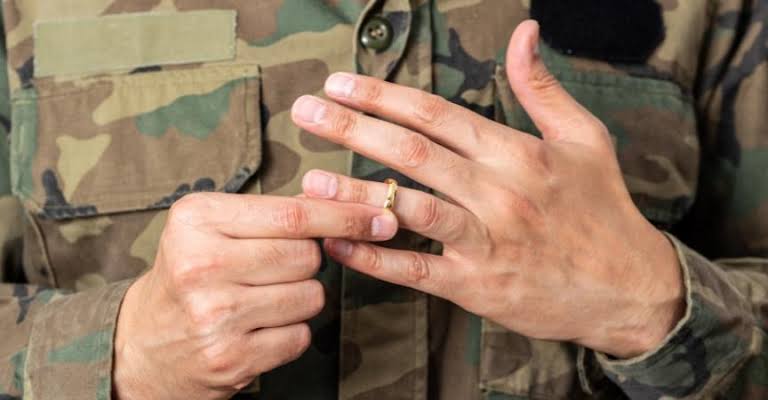
Military life asks a lot of a marriage. Frequent moves, long deployments, and months apart can wear down even strong couples. When a marriage involving a service member ends, the divorce often raises questions civilian couples never face, from where to file to how a pension gets split.
If you or your spouse serves in the armed forces, talking with a Colorado military divorce attorney early can help you understand how state law and federal rules work together. Colorado courts use the same divorce statutes for everyone, but federal laws add extra steps that affect timing, retirement pay, health coverage, and parenting plans.
Can You File for Divorce in Colorado If You Are Stationed Here?
Colorado requires at least one spouse to have lived in the state for at least 91 days before filing. Being stationed at a Colorado base does not automatically make a service member a legal resident. Courts often look at proof such as a Colorado driver’s license, voter registration, and the state listed on the Leave and Earnings Statement.
Military families often have ties to more than one state, since a service member may keep legal residence elsewhere while living in Colorado on orders. Picking the right state matters because it decides which court has the power to divide property, including military retirement pay.
Deployment and the Divorce Timeline
The Servicemembers Civil Relief Act, or SCRA, protects active duty members who cannot take part in a court case because of their duties. A service member can ask the court to pause the case for at least 90 days, and judges can extend that time. Before a court can enter a default judgment, the filing spouse must tell the court whether the other spouse is on active duty.
These protections do not stop a divorce forever, but they can slow it down. Colorado also has a 91-day waiting period before a judge can finalize any divorce, so couples should expect a timeline longer than a typical civilian case.
Why Military Divorce Comes Up Often in Colorado
Colorado is home to a large and active military community. Fort Carson, Peterson and Schriever Space Force Bases, Buckley Space Force Base, and the U.S. Air Force Academy bring thousands of service members and families to the state, and many veterans stay after leaving the service. Because of this, Colorado family courts handle these cases regularly, and local attorneys tend to know the paperwork, pay records, and federal rules involved.
Dividing Military Retirement Pay
For many couples, military retirement is the largest asset in the marriage. The Uniformed Services Former Spouses’ Protection Act, or USFSPA, allows state courts to treat military retired pay as property. Colorado divides the part of the pension earned during the marriage in a way the court finds fair, and there is no minimum marriage length required.
A few federal rules shape how this works. If the marriage lasted at least 10 years while the member served at least 10 years, the former spouse can usually receive payments directly from the government. For divorces finalized after December 23, 2016, the “frozen benefit” rule bases the share on the member’s rank and service at the time of divorce, not future promotions. VA disability pay cannot be divided as property. The Defense Finance and Accounting Service’s USFSPA guidance explains the court order requirements for direct payments.
Survivor Benefits and Health Care Coverage
The Survivor Benefit Plan lets a former spouse keep receiving part of the retirement pay if the service member dies. This coverage is not automatic, and the election usually must be filed within one year of the divorce or the chance can be lost.
For health care, a former spouse may keep TRICARE coverage under the 20/20/20 rule, which requires at least 20 years of marriage, 20 years of service, and 20 years of overlap between the two. Spouses who do not meet those rules should line up other coverage before the divorce is final.
Parenting Plans When a Parent Deploys
Colorado calls custody the “allocation of parental responsibilities,” and every decision is based on the child’s best interests. A strong parenting plan for military families covers deployment, training, and permanent change of station moves, and it can set regular video calls so the deployed parent stays connected.
When the schedule already explains how parenting time shifts during deployment and returns afterward, both parents know what to expect. Children benefit from routines that stay steady even when a parent’s duty station changes.
Child Support and Spousal Maintenance
Colorado uses guidelines to set child support based on both parents’ income. For service members, income may include housing and food allowances on top of base pay, which can change the final amount. Each military branch also has rules requiring members to support their families while a divorce is pending, even before a court order is in place.
Common Questions About Military Divorce in Colorado
Is a military divorce different from a regular divorce in Colorado? The same state laws apply to both. Federal rules on deployment, retirement pay, survivor benefits, and health care add steps that civilian cases do not have.
Does my spouse get half of my military pension? Not automatically. A Colorado court divides only the portion earned during the marriage, and the share depends on the facts of the case.
Can my divorce move forward while my spouse is deployed? Yes, in many cases. However, the SCRA may allow a pause if deployment keeps the service member from taking part.
Planning Ahead Before You File
A military divorce touches state law, federal law, and family life at the same time. Knowing the residency rules, deployment protections, and retirement basics before you file can prevent costly mistakes. With good records and the right guidance, service members and their spouses can reach an agreement that protects their finances and their children’s future.