

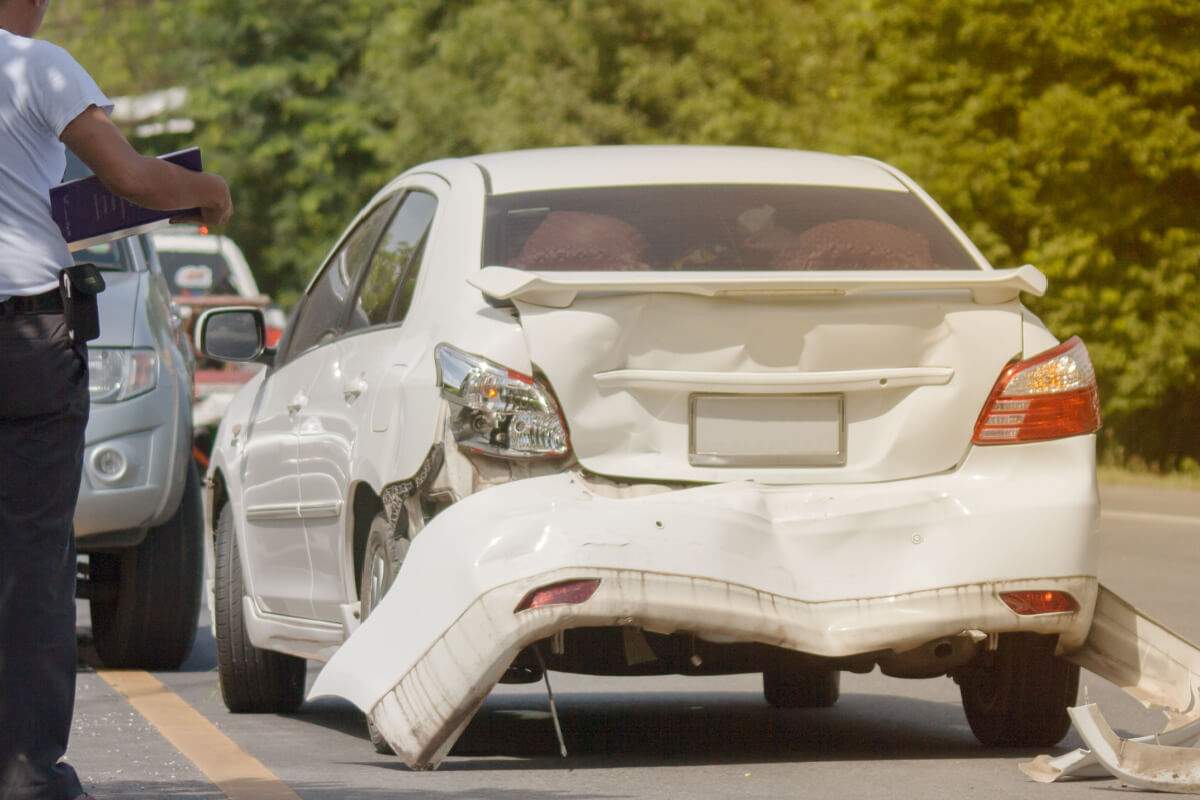
If you were injured in a crash caused by another driver, you may be wondering whether you have legal options beyond filing an insurance claim. The short answer is yes. You can sue for negligence in a car accident when the at-fault driver’s insurance fails to provide fair compensation or when circumstances make a lawsuit the most appropriate path forward.
Understanding when and how to pursue a negligence claim is essential to protecting your rights and recovering the compensation you deserve.
What Is Negligence in a Car Accident?
Negligence is the failure to act with the level of care that a reasonable person would exercise under similar circumstances. In car accident cases, this means a driver who fails to follow traffic laws or operate their vehicle safely may be considered negligent.
Common examples of negligent driving include speeding, running red lights, tailgating, drunk driving, distracted driving, and aggressive behavior on the road. When one of these behaviors causes an accident, the injured party has grounds to pursue a legal claim.
The Four Elements of Negligence
To successfully sue for negligence in a car accident, four legal elements must be proven:
Duty of Care — Every driver on the road has a legal obligation to operate their vehicle safely and follow traffic laws. This duty is owed to other drivers, passengers, and pedestrians.
Breach of Duty — The injured party must show that the other driver failed to uphold their duty of care. Evidence such as police reports, witness statements, dashcam footage, and photos from the accident scene can all support this.
Causation — It must be shown that the driver’s breach of duty directly caused the accident and the resulting injuries. Expert testimony from accident reconstructionists and medical records are commonly used to establish this link.
Damages — The accident must have resulted in actual losses. These can include medical expenses, lost wages, property damage, and pain and suffering.
All four elements must be present to build a successful negligence case.
When Should You Consider Suing After a Car Accident?
Most car accident claims are resolved through insurance companies without going to court. However, there are specific circumstances where filing a lawsuit becomes necessary.
Your Losses Exceed Policy Limits
Severe injuries, such as traumatic brain injuries or spinal cord damage, often require long-term or lifelong medical care. When the costs of treatment and other damages surpass the at-fault driver’s insurance policy limits, a lawsuit may be the only way to recover full compensation.
Filing a personal injury lawsuit allows you to seek damages beyond what the insurance policy covers, including both current and future medical expenses and compensation for a diminished quality of life.
The Insurance Claim Was Denied or Undervalued
Insurance companies sometimes deny valid claims or offer settlements that fall short of covering the actual damages. When this happens, a lawsuit against the negligent driver gives you the opportunity to present your case before a judge and jury.
It is worth noting that you cannot sue the insurance company directly. However, taking legal action against the at-fault driver can compel the insurer to participate in the process and reconsider a fair resolution.
The At-Fault Driver Has No Insurance
Uninsured drivers create a challenging situation for accident victims. While you can sue an uninsured driver, recovering full compensation may be difficult if they lack significant assets.
In these situations, your own auto insurance policy may offer some relief. If your policy includes uninsured motorist (UM) or underinsured motorist (UIM) coverage, it can help cover medical expenses and property damage up to your policy limits.
Comparative Negligence: What If You Share Some Fault?
Not all accidents are clear-cut. In some cases, both drivers may share some degree of responsibility for the crash.
Under a pure comparative negligence rule, a plaintiff’s compensation is reduced in proportion to their share of fault. For example, if you are found 10% responsible and are awarded $20,000, you would collect $18,000. This rule means that even if you bear some responsibility for the accident, you can still recover compensation.
Insurance companies may attempt to assign more blame to the victim in order to reduce their payout. Having strong legal representation helps prevent this from happening and ensures that fault is accurately determined.
How Long Do You Have to File?
Timing matters significantly in car accident cases. Generally, the deadline to file a personal injury lawsuit is two years from the date of the injury. However, certain exceptions and circumstances can either extend or shorten this window considerably.
Missing the filing deadline means forfeiting the right to pursue compensation entirely. It is important to consult with a legal professional as soon as possible after an accident to avoid losing your opportunity to recover damages.
How an Experienced Attorney Can Help
Proving negligence in a car accident case requires gathering substantial evidence, navigating complex legal procedures, and countering the tactics of insurance companies. An experienced car accident attorney can manage every aspect of this process on your behalf.
From investigating the accident and collecting evidence to negotiating with insurers and representing you in court, an attorney works to maximize the compensation you receive. They can also evaluate whether filing a lawsuit is the right course of action given the specific facts of your case, and provide a realistic assessment of your chances for recovery.
If you were injured in a car accident and are unsure of your legal options, consulting with a qualified personal injury law firm is a critical first step. Many car accident lawyers offer free consultations, allowing you to explore your rights with no financial commitment.