

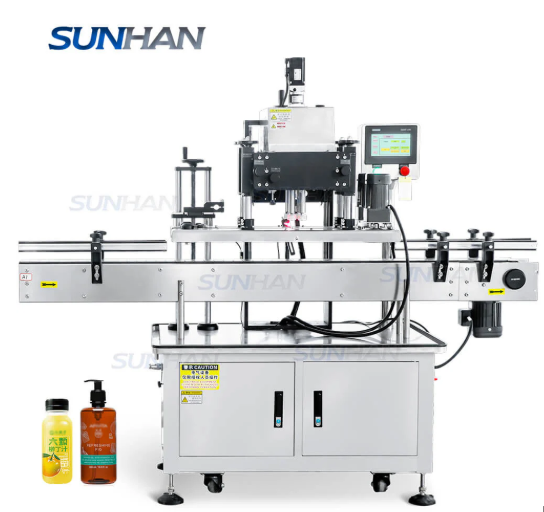
In the fast-paced world of liquid packaging, efficiency is key. Companies are constantly on the lookout for ways to streamline operations and improve productivity. One of the essential components in this process is a trigger capping machine. This innovative piece of equipment not only enhances sealing capabilities but also boosts overall production speed.
Imagine transforming your existing liquid line with a tool designed specifically for reliability and precision. With so many advantages, integrating a trigger capping machine into your setup can be a game-changer. But how do you go about it? Whether you’re looking to upgrade or expand your current system, understanding the integration process makes all the difference.
Let’s dive into how you can successfully incorporate this technology into your liquid line and unlock its full potential!
Understanding the Benefits of a Trigger Capping Machine
A trigger capping machine offers several compelling advantages for businesses in the liquid packaging industry. First and foremost, it enhances sealing reliability. This means fewer leaks and spills, ensuring product integrity from production to delivery.
Speed is another significant benefit. These machines can cap bottles at impressive rates, allowing manufacturers to meet high demand without compromising quality. Increased efficiency translates directly into higher profit margins.
Additionally, user-friendliness sets these machines apart. Many models feature intuitive controls that simplify operation and reduce training time for staff.
Moreover, a trigger capping machine can handle various bottle sizes and materials with ease, making it a versatile addition to any production line. This flexibility allows companies to adapt quickly to changing market needs or new products without extensive modifications.
Investing in this technology helps streamline operations while maintaining high standards of quality control throughout the packaging process.
Assessing Your Current Liquid Line
Before integrating a trigger capping machine, it’s crucial to assess your current liquid line. Start by examining the existing equipment and layout. Identify bottlenecks that slow down production.
Evaluate the flow of materials through your line. Is there enough space for new machinery? Consider how the trigger capping machine will fit into this environment without disrupting operations.
Next, analyze product compatibility. Ensure that the bottles or containers you use are suitable for cap application with the new machine.
Don’t overlook maintenance practices already in place. A well-maintained line can ease integration challenges significantly.
Gather feedback from your team about current pain points in production. Their insights can provide valuable information on what improvements a trigger capping machine may bring and guide adjustments needed for seamless incorporation into your workflow.
Identifying Potential Integration Challenges
Integrating a trigger capping machine into an existing liquid line can present various challenges. One of the primary hurdles is compatibility with your current equipment. Ensuring that both machines work harmoniously is crucial for maintaining efficiency.
Another concern may arise from space constraints within your production area. The new machine needs enough room for installation and operation, which could require rearranging existing equipment or even expanding workspace.
You might also face workforce adaptation issues. Staff will need training to operate the new machinery effectively, which could temporarily disrupt production schedules.
Consider potential supply chain disruptions during the integration process. Ordering parts and materials while ensuring your operations run smoothly can be tricky without careful planning and foresight.
Necessary Preparations for Integration
Before integrating a trigger capping machine, ensure your workspace is ready. Clear the area where the new equipment will be placed. This allows for easy access and minimizes future disruptions.
Next, assess your current liquid line setup. Identify any modifications needed to accommodate the new machine. It may involve adjusting conveyor heights or realigning existing components.
Gather all necessary tools and materials beforehand. This preparation saves time during installation and helps avoid delays.
In addition, train your staff on how to operate the trigger capping machine effectively. Familiarity with its functions ensures a smooth transition into production.
Don’t forget to review safety protocols as well. Ensure that all workers understand safe handling practices related to both their existing tasks and the new equipment integration process.
Step-by-Step Guide to Integrating a Trigger Capping Machine
Start by gathering all necessary documentation. This includes the trigger capping machine manual and specifications of your current liquid line.
Next, disconnect any existing equipment that may interfere with the new setup. Be cautious during this process to avoid damaging other components.
Position the trigger capping machine in alignment with your production line. Ensure there’s enough space for operators to work comfortably around it.
Connect the machine’s power and air supply as indicated in the installation guide. Double-check connections for safety and efficiency.
Once powered on, calibrate settings according to your product requirements. Adjust speed and torque settings based on bottle type and cap specifications.
Run initial tests using empty bottles or caps to ensure everything operates smoothly before introducing actual products into the mix.
Testing and Troubleshooting
Testing your newly integrated trigger capping machine is crucial for ensuring optimal performance. Start with a small batch of products to assess how well the machine operates within your liquid line. Pay close attention to the capping speed and accuracy.
Monitor how securely each cap is applied. An improperly sealed cap can lead to product leakage or spoilage, which could be costly.
If you encounter issues during testing, such as inconsistent caps or jams, troubleshoot systematically. Check for any misalignments in the feed system or verify that the caps are compatible with the bottles being used.
Document any problems that arise along with their solutions. This record will serve as a valuable resource for future maintenance and adjustments, helping streamline operations down the line and minimize downtime when issues occur again.
Maintenance and Upkeep
Regular maintenance is crucial for the longevity of your trigger capping machine. Establish a routine that includes daily, weekly, and monthly checks.
Daily inspections should focus on visible wear and tear. Look for signs of loose parts or misalignment. Ensure that all components are clean and free from debris.
Weekly maintenance can involve lubricating moving parts to reduce friction and prevent premature wear. This simple step can significantly enhance performance.
Monthly checks might include more in-depth cleaning and calibration adjustments. Regularly verify torque settings to ensure caps are applied correctly without damage.
Document every maintenance task performed. Keeping records helps identify patterns over time, making it easier to anticipate future needs or potential breakdowns.
A well-maintained machine not only operates efficiently but also contributes to consistent product quality, minimizing downtime in production lines.
Conclusion
Integrating a trigger capping machine into your existing liquid line can significantly enhance productivity and efficiency. By understanding the benefits this technology brings, you set a solid foundation for improvement. Assessing your current setup is crucial in determining how best to accommodate new equipment.
Anticipating integration challenges allows you to develop strategies ahead of time, minimizing disruptions during the transition. Proper preparations pave the way for seamless implementation, ensuring every aspect is addressed.
Following a step-by-step guide simplifies the process further, making it easier to align with your operational goals. Testing and troubleshooting are vital components that help identify any issues early on, allowing for swift resolutions.
Regular maintenance keeps your trigger capping machine running smoothly while enhancing its longevity. With these practices in place, you’ll maximize both efficiency and effectiveness within your production line.
Embracing this change not only modernizes your operations but also positions you competitively in an ever-evolving market landscape. The steps taken today will undoubtedly lead to greater success tomorrow.