

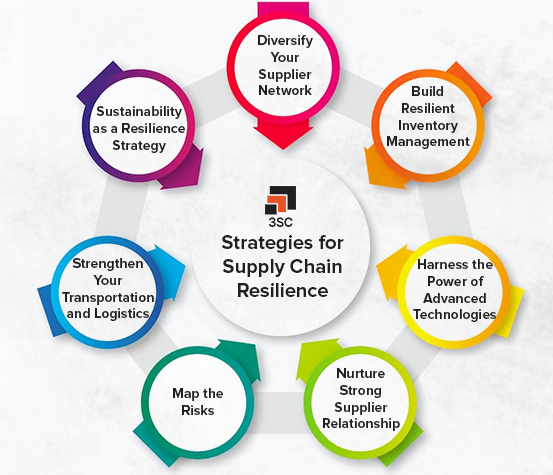
A resilient supply chain strategy helps a business stay steady when costs, demand, or supplier access shift. It works as a practical plan for product flow from concept to delivery. It gives teams clearer steps during change. For product brands, that can mean fewer rushed choices. The sections below show how to build that plan with simple, useful steps.
Set Product and Market Priorities
A strong plan starts with the product, customer promise, and cost limits. The right supply chain strategies should reflect those basics before supplier talks begin. Low price and fast launch goals may need different paths. Clear priorities reduce conflict later.
Teams can list what matters most before they compare factories or freight options. That list may cover lead time, margin, volume, materials, and service. Each factor needs a rank to keep the strategy useful early.
Add Supplier Depth With Purpose
Single supplier reliance can create stress when delays appear. A resilient plan may include backup suppliers for key parts or assembly. Extra vendors should serve a clear purpose in the process. It protects the product path with depth.
Supplier depth works best when each partner has a clear role. One factory may handle scale, while another supports smaller runs. This aids in reducing strain when demand shifts. It also helps with price checks.
Supplier Review Points That Matter
A simple review list can keep supplier choice focused. Useful checks include:
- Peak capacity
- Quality records
- Material access
- Update habits
These points may help improve supplier trust without excess paperwork.
Use Data for Demand and Stock Choices
Demand changes can hurt cash flow when stock levels miss the mark. Data helps teams see sales patterns, order cycles, and slow product movement. This may help improve inventory plans and reduce waste. It supports calmer choices when forecasts change.
A resilient system can start with basic data sources. Many brands use sales data, supplier lead times, and reorder points first. The goal is a shared view of what is ready and at risk. Better data can make supply chain strategies easier to adjust.
Balance Cost With Speed and Control
Cheap options can look useful at first, but hidden costs may appear later. Long routes, weak checks, or poor updates can create delays. A balanced plan compares price with speed, reliability, and control. That view helps with choices across the product cycle.
Nearshore, offshore, and domestic options each have a place in the plan. Some products need close supplier access for quick changes. Others may fit larger offshore runs once the design is stable. A premium service provider may help connect choices with clearer support.
Plan for Disruptions Early
Resilience depends on advance action and clear backup steps. Teams should list the risks most likely to affect the product. Raw material shortages, port delays, and freight spikes belong on that list. Each risk needs a response path.
The plan should include alternate suppliers, routes, and stock buffers for critical items. Contract terms should cover timelines, quality checks, and change requests. Regular reviews keep the plan current as sales, costs, and limits shift. Small updates can protect the business from larger problems.
Resilient supply chain tactics come from clear priorities, supplier depth, useful data, balanced cost choices, and early risk plans. It helps a brand stay prepared without needless complexity. The best strategy feels practical enough for daily use. Each step can make the supply chain easier to manage under pressure.