

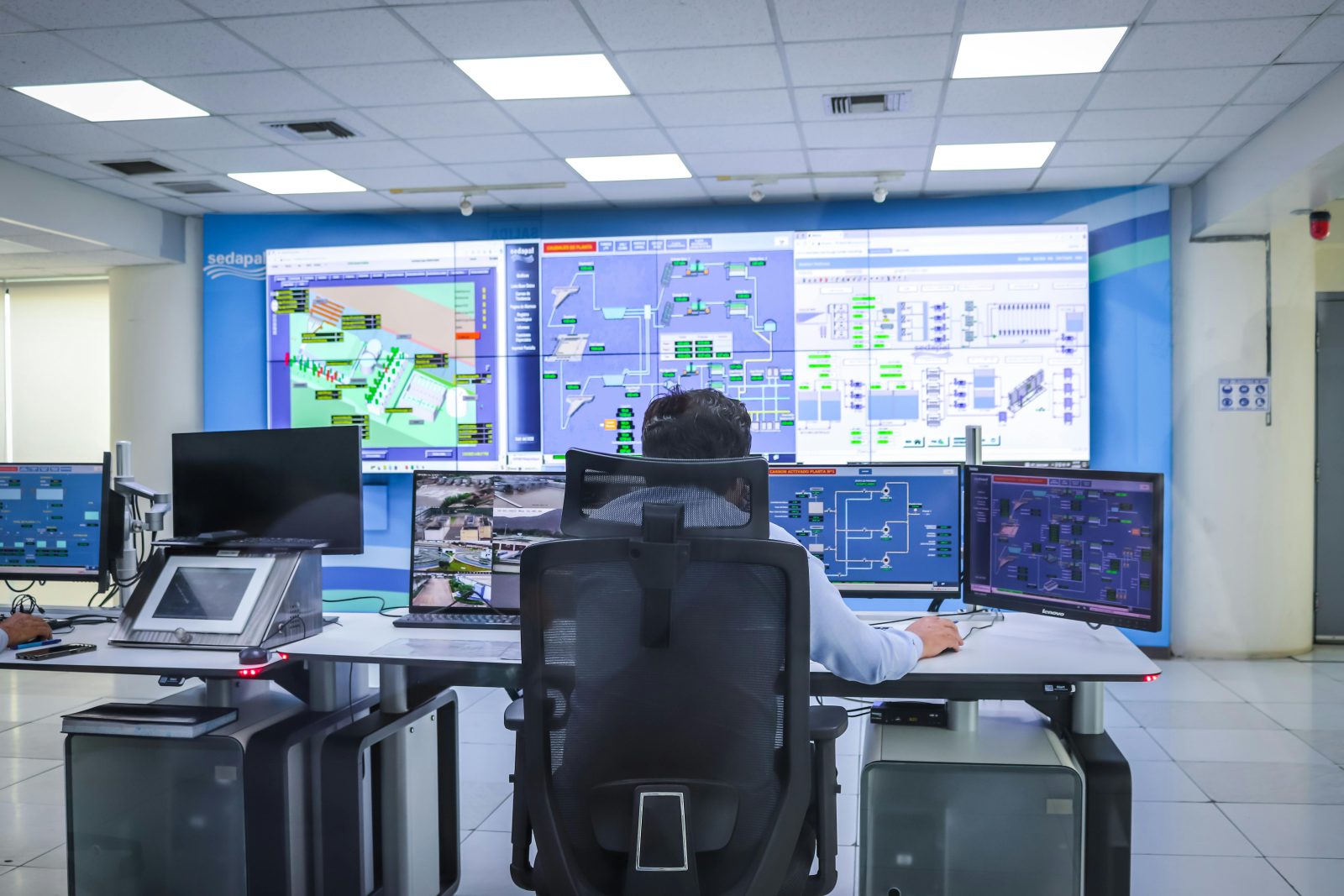
Understanding the Core Principles of Technology Reliability
Reliable technology management begins with a clear understanding of how systems operate, how data flows through an organization, and how each component contributes to overall stability. Businesses depend on technology for communication, operations, and decision making, which means reliability is not optional. Engineers and IT professionals must evaluate system performance, identify vulnerabilities, and implement safeguards that prevent disruptions. This includes monitoring hardware health, software updates, and network performance to ensure everything functions as intended. A strong foundation also requires planning for unexpected failures and creating strategies that minimize downtime. When organizations understand these core principles, they can build technology environments that support long term success.
Building Strong Infrastructure for Long Term Stability
A reliable technology environment depends on infrastructure that is designed to handle growth, adapt to new demands, and withstand unexpected challenges. This includes selecting hardware that meets performance requirements, configuring networks for optimal speed and security, and ensuring that systems can scale as the business expands. Engineers must also consider redundancy, which allows systems to continue operating even if one component fails. Proper infrastructure planning reduces the risk of outages and improves overall efficiency. Organizations that invest in strong infrastructure are better prepared to support new technologies and evolving business needs. This foundation is essential for maintaining reliability in a rapidly changing digital landscape.
Strengthening Security as a Core Component of Reliability
Security is a critical part of technology management because even the most advanced systems can fail if they are vulnerable to threats. Organizations must implement strong authentication methods, encryption protocols, and access controls to protect sensitive information. Regular security audits help identify weaknesses before they can be exploited. Engineers also monitor network activity to detect unusual behavior that may indicate a breach. Security training for employees further reduces risk by ensuring that everyone understands how to handle data responsibly. When security is integrated into every layer of technology management, organizations can maintain reliability and protect their operations from disruption. This proactive approach strengthens long term stability.
Ensuring Continuity Through Data Protection Strategies
Data is one of the most valuable assets a business possesses, and protecting it is essential for maintaining reliability. Organizations must implement systems that safeguard data from loss, corruption, or unauthorized access. This includes creating redundant storage solutions, monitoring data integrity, and developing recovery plans that allow operations to resume quickly after an incident. Effective data protection strategies also involve regular testing to ensure that backups are functional and accessible. When businesses prioritize data continuity, they reduce the risk of costly downtime and maintain trust with customers and partners. Strong data protection is a cornerstone of reliable technology management.
The Importance of Cloud Backup Solutions in Modern Reliability
A key element of modern technology management is the use of cloud backup solutions, which provide secure, scalable, and accessible data protection. These systems automatically store copies of important files in remote locations, ensuring that data remains safe even if local hardware fails. Cloud backups also allow organizations to recover information quickly, reducing downtime and minimizing operational impact. Engineers appreciate the flexibility of cloud systems, which can adapt to changing storage needs without requiring new physical equipment. Cloud backups also support compliance requirements by maintaining secure, encrypted copies of sensitive information. Their reliability and convenience make them an essential part of modern technology management strategies.
Conclusion
Reliable technology management requires strong infrastructure, robust security, effective data protection, and a deep understanding of how systems operate. Organizations that prioritize these elements can maintain stability, support growth, and reduce the risk of disruptions. As technology continues to evolve, the need for reliable systems becomes even more important. By integrating modern tools and proactive strategies, businesses can build environments that support long term success. Reliability is not just a goal; it is a foundation for every aspect of modern technology operations.