

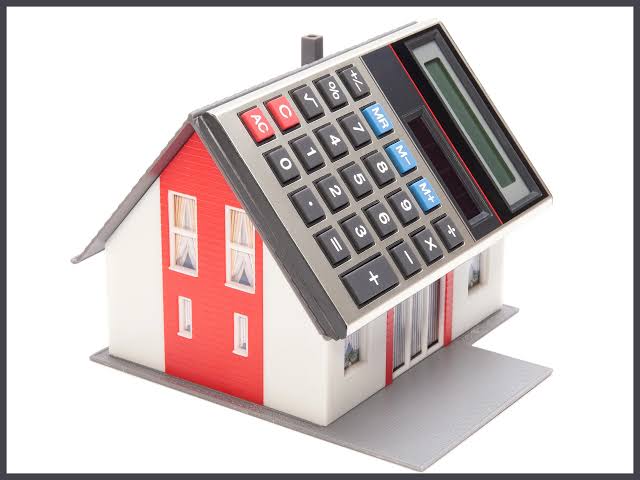
A roof replacement is one of the biggest home improvement projects a property owner may face. While the cost can seem high, a strong and reliable roof protects the home from weather damage and helps maintain its value. Many homeowners postpone the project because they worry about paying the full amount at once. Fortunately, several financing options can make the expense easier to manage. A well-planned budget and the right financial choice can reduce stress throughout the project. Professional roofing contractors can also guide homeowners toward practical payment solutions that fit their needs.
Explore Home Improvement Loan Options
Many homeowners choose home improvement loans to pay for a roof replacement. Banks, credit unions, and online lenders offer different loan terms and interest rates. Comparing several lenders before making a decision can help reduce the total borrowing cost for a home roof replacement. A roofing contractor may also work with trusted financing partners and explain available payment plans that suit different budgets.
Consider Home Equity Financing
Homeowners with enough equity may qualify for financing that uses their home’s value. Common options include:
- A home equity loan with fixed monthly payments and a fixed interest rate.
- A home equity line of credit that allows borrowers to use funds as needed.
- Lower interest rates compared to many unsecured loans.
- Flexible repayment terms that fit long-term financial goals.
- Larger borrowing limits for homeowners with significant equity.
These options may work well for homeowners planning major improvements. However, borrowers should carefully review repayment terms because the home serves as collateral. A financial advisor or lender can explain the benefits and possible risks before any agreement is signed.
Use Contractor Financing Programs
Many roofing companies offer financing directly through lending partners. This option allows homeowners to arrange the roof replacement and financing at the same time. Some programs include promotional interest rates or flexible monthly payments for qualified applicants. The approval process is usually faster than applying through several financial institutions. An experienced roofing contractor can explain every payment option clearly, answer questions, and help homeowners select a financing plan that matches their financial situation.
Build a Payment Plan That Fits the Budget
A clear financial plan helps homeowners avoid unnecessary stress during the project.
- Review monthly income and regular household expenses before choosing a loan.
- Decide how much can be comfortably paid each month.
- Compare loan terms, interest rates, and repayment periods carefully.
- Set aside a small emergency fund for unexpected home repairs after the roof replacement.
- Avoid borrowing more than the actual project cost whenever possible.
A realistic payment plan helps keep household finances stable. Careful preparation also reduces the chance of missed payments later.
Check Insurance and Assistance Programs
Insurance may cover part or all of the roof replacement if the damage resulted from storms, hail, fire, or other covered events. Homeowners should review their insurance policy and contact their provider to confirm coverage. Some local governments and nonprofit organizations also offer grants or low-interest loans for qualified homeowners. These programs can reduce out-of-pocket costs and make the project more affordable. A knowledgeable roofing contractor can inspect the roof, prepare detailed damage reports, and provide the documentation needed for insurance claims or financial assistance applications.
Financing a new home roof replacement does not have to become a financial burden. Several payment options can make the project affordable while protecting long-term financial stability. A secure roof is a valuable investment, and the right financial strategy allows homeowners to complete the project with greater confidence and peace of mind.