

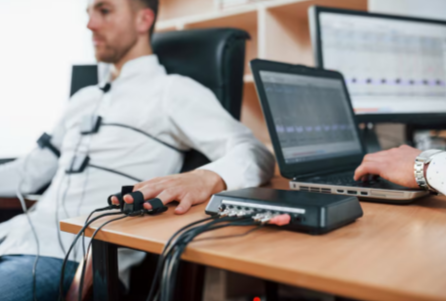
A person is sometimes told that he or she can influence a polygraph examination just by remaining calm, breathing properly, and using mental gymnastics. These ideas have been popularized in films, television, and online discussions, and their presentation is sufficiently convincing for many to question if a polygraph test can be tricked.
A polygraph does not directly detect deception. Instead, it measures physiological changes (such as blood pressure, pulse rate, respiration, and electrodermal activity) as you respond to a series of questions designed in a structured way. These physiological recordings are then analyzed by an experienced examiner using validated testing procedures.
The examination uses scientific procedures and professional interpretation, and there is no scientifically proven way of ensuring that somebody can alter the outcome.
Let’s explore what research says about influencing a polygraph examination and the factors that influence its reliability.
How Polygraph Tests Measure Physiological Responses
A common misconception about a polygraph is that it can immediately detect a lie. Instead, it records several physiological activities during a prescribed examination carried out by an appropriately qualified examiner. The term polygraph means “many writings,” referring to the simultaneous recording of several physiological measurements.
During a polygraph test, four of the following physiological responses are tracked: respiration, cardiovascular activity, blood pressure and pulse rate, and electrodermal activity. All these physiological recordings correspond to activity in the autonomic nervous system and provide data for evaluation.
An examiner will undertake a pre-test interview with the examinee before the test itself begins to explain the testing process, review the issue under investigation, and discuss all questions. This ensures that the examinee is aware of the exam before the initiation of physiological recording.
Professional exams are conducted with approved methods and testing procedures certified by the American Polygraph Association and similar organizations. A diagnostic opinion is not based on one reaction but rather on the patterns of responses to a range of questions that address the same topic, as well as to a set of comparison questions.
Why Beating Polygraph Tests Is Not Simple
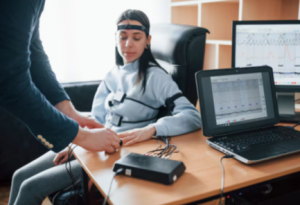
The notion that anyone can easily cheat a polygraph examination is generally due to misconceptions about how the physiology works. Common online tips include learning to control breathing, block out all feelings, or distract the examiner when asked questions.
The physiological readings taken during a polygraph, however, are regulated by the autonomic nervous system. You might be able to think about doing some of the actions deliberately, but it is much more difficult to influence multiple physiological systems consistently throughout a coherent examination.
Professional polygraph tests are far more complex than simply looking at physical reactions. The examiner constructs the examination format, discusses the questions with the person being tested, sets up the physiological baseline recordings, and adheres to standardized testing procedures during the exam.
The examiner does not rate a single response but rather evaluates the patterns of responses throughout the entire exam. Therefore, professional polygraph testing approaches are much more advanced than simply determining an individual’s level of nervousness.
How Countermeasures Affect Polygraph Results
Countermeasures are deliberate attempts to influence physiological recordings during a polygraph examination. They may involve physical actions or mental strategies intended to alter normal physiological responses.
Although these methods are widely discussed and are a reliable way to defeat a professionally conducted examination, they may instead create irregular response patterns that affect the quality of the physiological recordings.
Professional examiners are trained to recognize conditions that could interfere with data quality. Validated testing techniques, standardized procedures, and examiner observation help maintain the integrity of the examination.
Because a polygraph evaluates multiple physiological channels together, influencing one response does not necessarily change the examiner’s interpretation of the physiological recordings. Examiners assess the complete pattern of physiological activity throughout the examination.
Factors That Influence Polygraph Accuracy
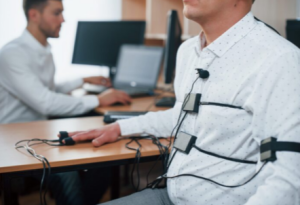
Several factors can affect the quality of physiological recordings during a polygraph examination. Professional examiners evaluate these conditions before testing to help ensure the examination is conducted under appropriate circumstances.
- Physical and Emotional Condition — Illness, fatigue, medication, dehydration, or emotional distress can influence physiological activity and affect testing conditions.
- Examiner and Testing Procedures — Examiner training, validated testing techniques, and standardized procedures play a key role in examination quality.
- Question Design — Clear, specific, and properly structured questions improve the accuracy and reliability of physiological recordings.
- Examination Type — Specific-issue examinations generally produce more reliable results because they focus on one clearly defined matter.
What Research Says About Polygraph Reliability
Scientific research continues to examine both the strengths and limitations of polygraph testing. A polygraph does not detect deception directly. Instead, it records physiological responses that trained examiners evaluate using validated testing techniques and standardized scoring methods.
Moreover, specific-issue examinations conducted under recognized professional standards have demonstrated high levels of accuracy when conducted using validated techniques and established procedures. These findings apply when trained examiners follow established testing procedures.
It also shows that examiner qualifications play a significant role in examination quality. Training, continuing education, quality control, and standardized evaluation methods all contribute to producing meaningful diagnostic opinions from the physiological recordings.
Ultimately, the focus should not be on whether someone can beat a polygraph examination but on whether the examination is conducted using validated scientific procedures that support fair and consistent interpretation.
Conclusion
The idea that someone can easily beat a polygraph test is largely based on myths rather than scientific evidence. A polygraph does not detect lies directly. Instead, it records physiological activity while a trained examiner evaluates response patterns using validated testing techniques, structured questioning, and standardized scoring procedures.
If you are considering a polygraph test, understanding how the examination works is more valuable than searching for shortcuts. A qualified examiner, a properly conducted pre-test interview, validated testing methods, and carefully designed questions all contribute to an examination that produces meaningful physiological recordings and supports a professional diagnostic opinion.