

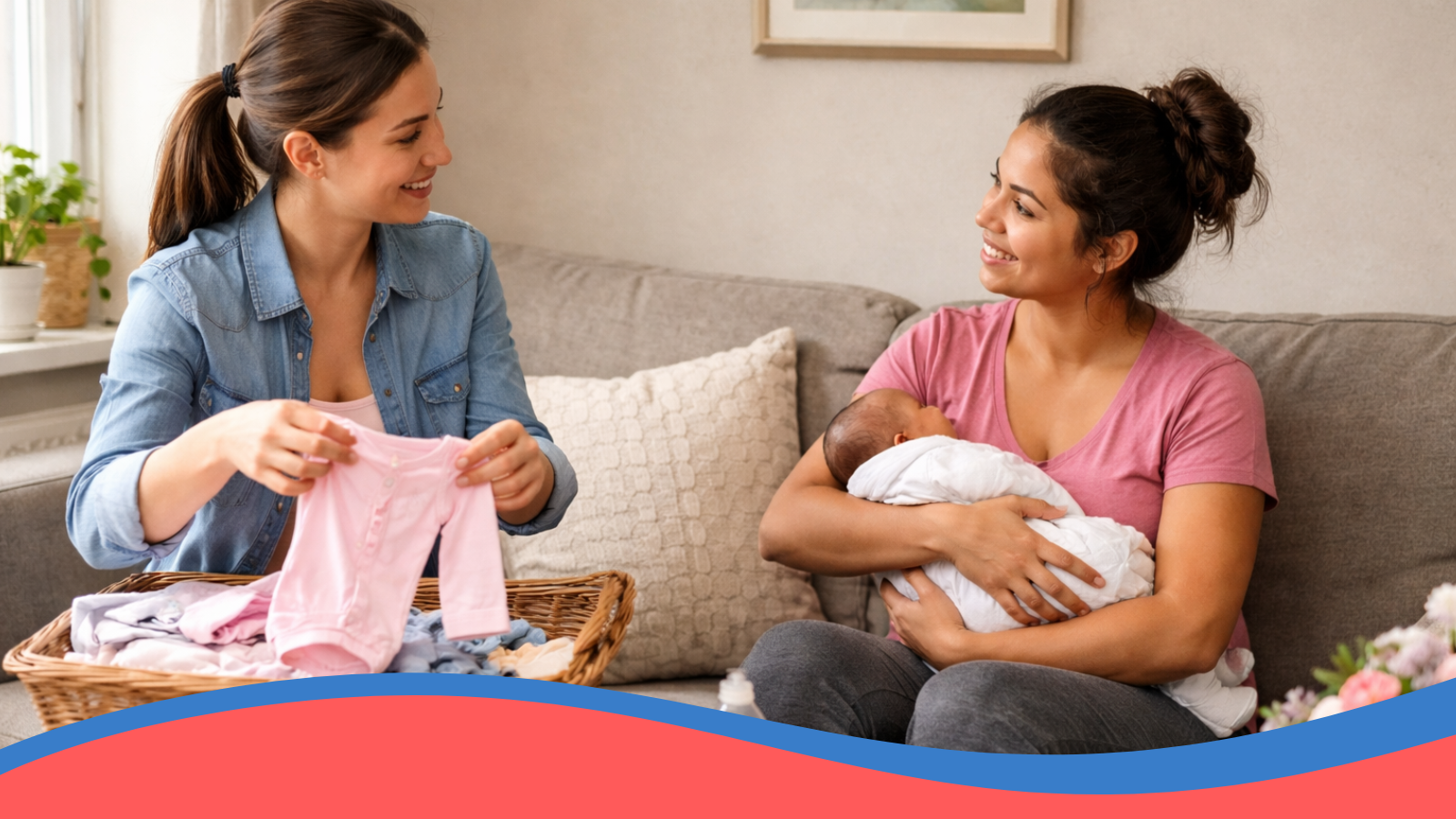
Spring brings Easter brunches, Mother’s Day luncheons, graduation parties, and outdoor reunions. While these events offer joyful reasons to celebrate, attending with a newborn can feel daunting. Managing unpredictable nap schedules, feeding routines, and physical recovery requires thoughtful care from loved ones.
Effective strategies for supporting new moms postpartum go beyond standard hospitality. Understanding how to offer practical, empathetic assistance during spring family gatherings turns a potentially overwhelming day into a comforting experience.
1. Create a Private Sanctuary for Feeding and Resting
Quick Answer: Designate a quiet, climate-controlled room away from main party noise, equipped with comfortable seating, outlets, water, and extra pillows for nursing or pumping.
Family gatherings are bustling, loud environments. For a nursing or pumping mother, or simply a parent needing a quiet moment to soothe an overstimulated baby, a retreat space is essential.
Setting up a dedicated quiet zone involves thoughtful preparation:
- Comfortable Seating: Provide a supportive armchair or glider rather than a stiff dining chair.
- Essential Supplies: Stock the room with fresh water, snacks, burp cloths, wet wipes, and an extension cord for breast pumps or phone chargers.
- Noise and Climate Control: Adjust room temperature and consider adding a white noise machine to block party noise.
2. Respect Boundaries Around Baby Handling and Germ Prevention
Quick Answer: Always ask permission before holding a newborn, wash hands thoroughly, and support the mother’s preferences regarding pass-the-baby dynamics.
Spring gatherings coincide with changing weather and seasonal illness surges. Relatives naturally feel excited to hold a new baby, but a parade of hands can induce anxiety for new parents.
Practicing empathetic spring family gathering hosting tips helps manage group expectations gently:
- Enforce Handwashing: Place hand sanitizer near entryways and remind guests to wash hands before touching the baby.
- Support Babywearing: If a mother prefers to keep her infant in a chest wrap or carrier, respect her choice without urging her to pass the baby around.
- Intervene Gently: If a guest holds the baby for too long while the infant shows signs of tiredness, step in as a host to return the baby to the mother.
3. Take On Practical Meal and Childcare Tasks
Quick Answer: Assist new mothers by serving them food first, holding older siblings, or managing dishware so parents can eat warm meals comfortably.
A common complaint from new parents at family events is that their food gets cold while taking care of the baby. Offering hands-on help removes subtle operational burdens.
High-impact ways to assist include:
- Serve Her First: Build a plate of food for the mother while it is hot, ensuring she has easy access to beverages.
- Entertain Older Siblings: Offer to play with toddlers so parents can focus on feeding or resting.
- Handle Cleanup: Clear away plates, pack leftovers, and clean up spills without waiting to be asked.
4. Protect New Mothers from Unsolicited Advice and Social Fatigue
Quick Answer: Steer conversations toward supportive, non-judgmental topics and give new mothers permission to leave early or take quiet breaks without guilt.
Postpartum mothers navigate hormonal changes and sleep deprivation. Well-meaning relatives often share unsolicited advice on sleeping, feeding, or parenting that can make a new mother feel self-conscious.
Shielding new parents from social pressure requires active advocacy:
- Redirect Conversations: If relatives offer unsolicited opinions, redirect the discussion to light, celebratory topics.
- Normalize Short Visits: Reassure the new mother that arriving late or leaving early is completely acceptable.
- Ask Supportive Questions: Instead of asking about sleep schedules, ask open-ended questions like “How are you feeling today?” or “What has been your favorite moment this week?”
5. Gift Nourishing Care Packages and Easy Meal Solutions
Quick Answer: Focus on gifting practical, ready-to-eat foods, body care items, and convenient services that simplify the postpartum recovery window.
While guests love gifting newborn clothing and plush toys, new mothers benefit most from gifts designed for maternal care and nourishment.
When planning practical postpartum care gifts, prioritize convenience and quality. Sending gourmet treats or pre-packaged food gift baskets provides quick, high-protein snacks and artisanal bites that a busy mother can enjoy without spending time cooking in the kitchen. Combining edible treats with comfortable loungewear or meal delivery vouchers offers comprehensive support during early motherhood.
6. Myth vs. Fact: Supporting New Mothers at Events
- Myth: Taking the baby away immediately gives the mother a well-deserved break.
- Fact: Separation can increase anxiety for new mothers; always ask if she wants you to hold the baby before taking the infant.
- Myth: New moms look forward to catching up with every relative at a large gathering.
- Fact: High-capacity social events can trigger fatigue; providing low-pressure opportunities to rest is far more helpful.
Frequently Asked Questions
What should I put in a quiet room for a nursing mother at a family event?
Equip the room with a comfortable armchair, fresh water, high-protein snacks, wet wipes, a trash bin, dimmable lighting, and accessible electrical outlets for breast pumps.
How can a host politely ask guests not to kiss the newborn?
Place a friendly sign near the entrance or send a group message beforehand stating that parents request clean hands and no face-kissing to protect the baby’s health.
Supporting new mothers during spring family gatherings comes down to empathy, intentional hospitality, and respecting personal boundaries. By preparing a quiet feeding sanctuary, honoring baby-handling preferences, assisting with practical hosting tasks, deflecting unsolicited advice, and gifting nourishing food options, you create a safe, welcoming environment. Prioritizing maternal comfort ensures that family celebrations remain joyful and stress-free for both parents and their newborns.