

Wet floors cause more slips than almost anything else in a workspace or garage. A drainage floor mat solves that problem by letting water, oil, or mud pass straight through the surface instead of pooling on top. But not every mat drains the same way, and the wrong pick can leave you with standing liquid anyway. Knowing what separates a good mat from a mediocre one saves you a return shipment later.
Picking between a single mat and an interlocking floor mat setup depends mostly on the size and shape of the space you’re covering. Small areas like a single kitchen station or a shower stall usually work fine with one solid drainage floor mat. Larger or oddly shaped rooms, like a warehouse aisle or a wraparound pool deck, tend to fit better with connected tiles you can build out piece by piece. Either way, the goal stays the same, keeping water off the surface and feet on solid, dry footing.
What Sets a Drainage Floor Mat Apart from Regular Matting
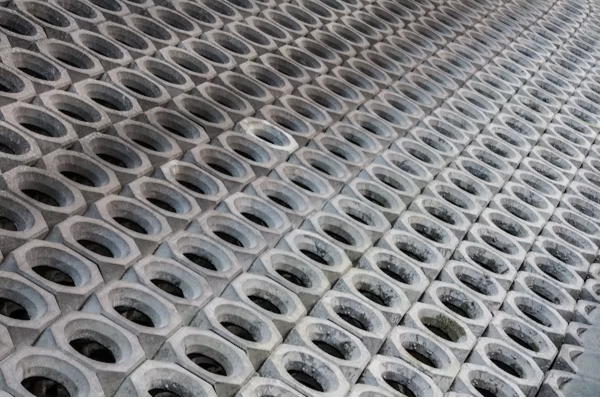
A regular floor mat just sits on top of the ground and traps whatever lands on it. A drainage floor mat is built with open holes or a raised grid pattern that lets liquid fall through to the floor below, where it can be swept or mopped away later. That gap between the mat surface and the ground also keeps your feet above standing water, which matters in kitchens, garages, and pool decks. The holes vary in size depending on the mat, and a bigger hole pattern handles heavier spills better than a fine mesh design.
Some drainage mats pair this hole pattern with texture on top for extra grip, since a smooth surface next to standing water is still a fall risk. Others add raised edges or beveled borders so people don’t trip stepping on or off the mat. A commercial floor mats lineup usually mixes several of these styles so a kitchen line cook and a warehouse worker can each find something suited to their floor. Picking the right hole size for your mess matters more than picking the thickest mat on the shelf.
Materials That Actually Hold Up in Wet Areas
Rubber is the most common material for wet area matting because it resists oil, grease, and most cleaning chemicals without cracking. PVC costs less and works fine for lighter use, like a bathroom or laundry room, but it can turn brittle faster under constant grease exposure. Nitrile rubber sits at the top end for anywhere handling cooking oil, since it shrugs off grease that would eat through a cheaper compound over time. If your space deals with harsh chemicals rather than just water, the material’s chemical resistance matters more than its thickness.
Foam and softer PVC blends show up in home settings where comfort matters more than industrial durability, like a laundry area or a mudroom. These softer mats flex more underfoot, which some people prefer for standing tasks, but they wear down faster under heavy foot traffic. Matching the material to how hard the space actually gets used prevents both overspending and early replacement.
How an Interlocking Floor Mat Simplifies Installation
An interlocking floor mat connects to its neighbor through tabs or grooves along each edge, so you can build one continuous surface without glue or tape. That matters in spaces where you might need to pull the flooring up later, like a rented unit or a seasonal setup at a market stall. You lay one tile, click the next one into place, and keep going until you’ve covered the area you need. There’s no adhesive residue left behind when it’s time to move or replace a worn section.
This modular setup also means damaged tiles get replaced one at a time instead of tearing out an entire mat. If a corner tile cracks after years of forklift traffic, you pull that single piece and drop in a new one rather than buying a whole new roll. An interlocking floor mat also adjusts to odd room shapes better than a fixed rectangle, since you can mix full tiles with cut pieces around pillars or corners. That flexibility is one reason warehouses and gyms lean on modular tiles instead of one large mat.
Matching Mat Style to the Room You’re Covering
A commercial kitchen needs a different mat than a garage floor, even though both deal with spills. Kitchens usually call for grease resistant rubber with tight drainage holes, since food debris and oil need to clear fast without clogging the surface. Garages deal with different fluids entirely, like motor oil and coolant, so a coarser open grid design handles that kind of runoff better. Pool decks and locker rooms sit somewhere in between, needing a mat that drains water quickly while staying comfortable on bare feet.
Outdoor spaces bring UV exposure into the equation, which indoor mats usually aren’t built to handle. A mat left outside without UV stabilizers can fade and turn brittle within a season or two, so it’s worth confirming outdoor suitability before installing one on a patio or loading dock. Matching the mat’s intended environment to where it’s actually going gets overlooked more often than it should, and it’s usually the reason a mat fails early.
Cushioning, Grip, and Everyday Comfort
Standing on bare concrete for a full shift wears on the knees and lower back faster than most people expect. Many drainage mats include an anti-fatigue layer underneath the drainage surface, giving a slight give with each step that reduces that strain. That cushioning doesn’t interfere with drainage as long as the holes run all the way through both layers instead of stopping at the surface. Workers on their feet for long stretches tend to notice the difference within the first week of switching to a cushioned mat.
Grip matters just as much as cushioning once water is involved. A textured or raised surface pattern keeps shoes from sliding even when the top of the mat gets wet between drainage cycles. Smooth mats might look cleaner, but they lose most of their safety value the moment liquid sits on top instead of draining through fast enough.
Cleaning and Long Term Care
A quick sweep or hose down keeps most mats performing the way they should, since debris that builds up under the surface can block drainage holes over time. Hosing from underneath, when the mat allows it, clears out anything stuck between the top surface and the ground below. Mild soap and water handle most everyday grime, while grease heavy areas may need a degreasing cleaner made for rubber or PVC surfaces. A drainage floor mat that gets cleaned regularly stays effective far longer than one that only gets attention once it starts looking dirty.
Flipping or rotating mats occasionally spreads out wear from foot traffic that always follows the same path. This is easier with an interlocking floor mat setup, since individual tiles can be rotated or swapped without disturbing the whole layout. Regular care like this keeps drainage holes clear and grip intact for years of use.
FAQs
How do I know what hole size I need for a drainage mat?
Match the hole size to the mess. Fine holes handle water and light spills, while wider open grids clear heavier debris like mud, grease chunks, or wood shavings.
Can an interlocking floor mat go over an uneven floor?
Minor unevenness is fine, but large dips or bumps can stop tiles from locking flush together, so it helps to check the subfloor first.
Do drainage mats work outdoors?
Some do, but check that the material includes UV protection, since untreated rubber and PVC can fade and crack faster in direct sunlight.
Is rubber or PVC better for a commercial kitchen?
Rubber, especially nitrile rubber, handles grease and hot spills better than standard PVC, which can soften or degrade faster under those conditions.
Can I replace just one damaged tile instead of the whole mat?
Yes, that’s one of the main advantages of interlocking systems. You pull the damaged tile and snap in a replacement without touching the rest of the layout.