

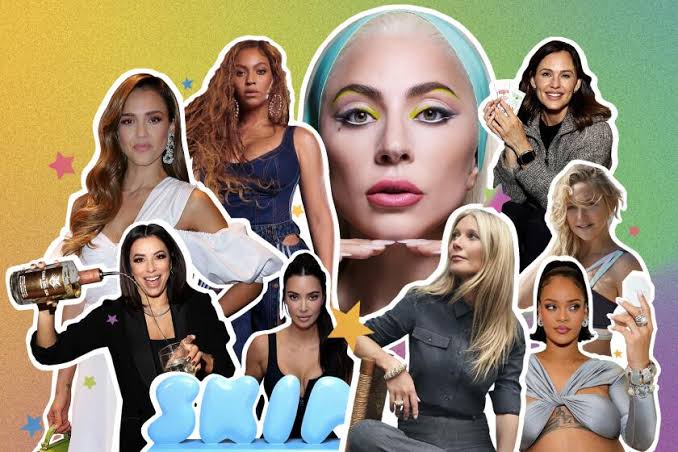
The celebrity endorsement deal used to be simple: a star gets paid to hold a product in an ad campaign, and that’s the extent of their involvement. That model hasn’t disappeared, but it’s increasingly seen as the least lucrative option available to a famous person looking to build wealth beyond their primary career. The bigger money, and the more durable business, has shifted toward actual ownership — celebrities founding or taking equity stakes in the companies that make the products they used to just endorse.
The Shift From Faces to Founders
Look at the last fifteen years of celebrity business ventures and a pattern emerges. Early moves were mostly licensing plays: a fragrance line here, a clothing collaboration there, with someone else doing the actual manufacturing behind the scenes. The ventures that have generated real, lasting wealth for their celebrity founders look different. They involve equity ownership in the company itself, often alongside genuine operational involvement, in categories ranging from spirits and skincare to, increasingly, the broader wellness and botanical products space.
This shift makes financial sense once you look at the math. A licensing deal or endorsement fee is a one-time or capped payment. An equity stake in a company that eventually gets acquired, or that simply grows into a durable cash-flowing business, can be worth an order of magnitude more. Several of the most talked-about celebrity business exits of the past decade weren’t endorsement deals at all — they were sales of companies the celebrity had actual ownership in from early on.
Why Manufacturing Matters More Than Marketing in These Deals
Here’s the part that rarely gets discussed in entertainment coverage of these deals: the business fundamentals of a celebrity-backed consumer brand depend almost entirely on who’s actually making the product, not who’s fronting it. A celebrity’s face can move units in year one. Whether the company still exists in year five usually comes down to manufacturing quality, supply chain reliability, and whether the product can be produced consistently at scale without the celebrity’s personal involvement in every batch.
This is why savvy celebrity investors and their business managers increasingly do real diligence on manufacturing partners before attaching a name to a product line, treating it more like a private equity decision than a marketing one. In wellness and botanical product categories specifically, that diligence has become more rigorous, because these categories face more regulatory scrutiny than a typical apparel or beauty launch, and a manufacturing partner without solid documentation can sink a celebrity brand’s reputation fast if something goes wrong downstream.
The Manufacturers Behind the Curtain
Much of the actual production behind these consumer wellness brands, celebrity-backed or otherwise, happens at vertically integrated manufacturers that most consumers never hear about directly. These companies handle sourcing, processing, testing, and often private-label packaging for dozens of smaller consumer-facing brands simultaneously. Kingdom Kratom is one example of this kind of manufacturer operating in the botanical products category: a U.S.-based, vertically integrated producer that controls its supply chain from raw material through finished goods and supplies both its own retail brand and wholesale partners. Kingdom Kratom illustrates a broader industry point relevant well beyond its own product line — the companies quietly doing the manufacturing work behind a wellness category are often more consequential to a brand’s long-term success than whichever recognizable name is on the label.
What Due Diligence Looks Like From the Celebrity Side
Entertainment business managers who’ve navigated multiple brand deals describe a fairly consistent diligence checklist before a celebrity attaches their name or capital to a consumer products company: does the manufacturer have documented, verifiable sourcing; does it conduct or commission independent lab testing; and can it demonstrate a track record of consistent quality at the volume the deal will require. These questions matter more in regulated or semi-regulated categories, where a single quality failure can trigger regulatory attention that a celebrity’s PR team can’t spin its way out of.
This diligence process has also made celebrities and their teams more sophisticated consumers of industry information generally. Business managers who once relied entirely on outside consultants now often understand supply chain basics well enough to ask pointed questions directly, a skill that didn’t used to be part of the standard entertainment business management toolkit.
When Celebrity Brands Get It Wrong
Not every celebrity venture into wellness or consumer products succeeds, and the failures are instructive in their own right. A number of well-publicized brand launches over the past decade stumbled not because the celebrity lacked genuine enthusiasm for the product, but because the manufacturing side of the business was rushed, under-capitalized, or simply mismatched to the regulatory reality of the category they’d entered. A skincare line launched without adequate dermatological testing, a wellness brand that expanded into new state markets faster than its compliance team could keep pace with,, or a supplement brand that couldn’t keep up with demand once it actually started selling, both point to the same root cause: the glamorous, public-facing side of the launch outpaced the unglamorous manufacturing groundwork that needed to happen first.
Industry insiders who’ve watched multiple cycles of celebrity brand launches note that the ones with staying power almost always involved a longer, quieter pre-launch period spent vetting manufacturing partners and building supply chain redundancy, even if that meant delaying a splashy announcement. That patience is a hard sell in an industry built on momentum and press cycles, but the brands that skip it tend to be the ones quietly discontinued eighteen months later, once the initial press wave has faded and the operational cracks start to show.
The Business Lesson Beneath the Headlines
The tabloid version of these stories focuses on the celebrity: who launched what, how much it sold for, whether it flopped. The more interesting story, at least from a business perspective, is how thoroughly the winning formula has shifted away from simply lending a famous face to a product and toward genuine ownership paired with real operational scrutiny of who’s actually making the thing. As more celebrities and their advisors internalize that lesson, expect the next wave of entertainment-adjacent consumer brands to look less like endorsement deals and more like what they actually are underneath: manufacturing and supply chain businesses that happen to have a recognizable name attached.