

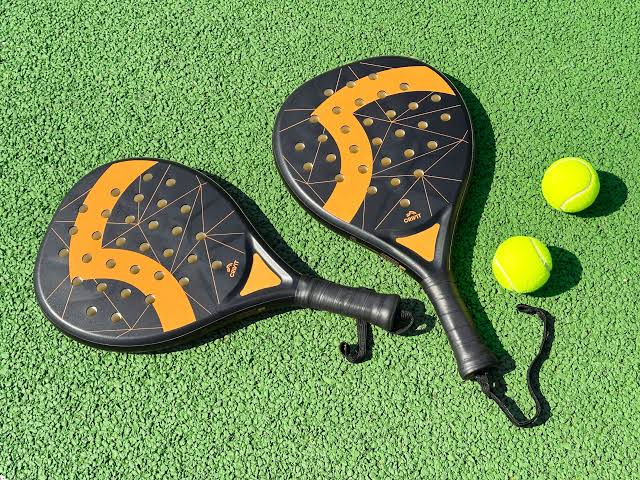
Padel has become one of the fastest-growing racket sports across many parts of Europe. Part of what makes padel so special is its ability to attract people from all backgrounds, and participation is enjoyable for both casual and regular players. Commonly, what begins as one session turns into a newfound fandom of the sport, prompting many further sessions. The sport is composed of simple rules and smaller courts than most racket sports, making it accessible and easy to play for people of all different levels of sporting background.
The sport originally developed in Mexico during the 1960s before becoming especially popular in Spain. Over time, padel spread across Europe and established itself as a regular part of the sports scene. Countries including the United Kingdom have seen a major increase in courts, clubs and players during recent years.
This growth has also encouraged more businesses to invest in padel facilities. New courts have appeared at sports centers, gyms and dedicated padel venues across many towns and cities. This wider availability has made it easier for people to try the sport without needing previous racket sport experience.
Why More People Are Playing Padel
Several factors have helped padel develop into a widely played sport. The court is smaller than a traditional tennis court, while the walls remain part of the game throughout each point. These features create a style of play that focuses on placement, movement, and working with a partner.
Padel is usually played as doubles, which gives the sport an important social element. Players share the court with another person and must communicate throughout each point. This makes padel suitable for groups of friends who want to play a sport together while spending time socially.
The basic rules can also be understood relatively quickly by new players. Someone with experience in tennis or other racket sports may already understand many of the main ideas. However, beginners can also learn the fundamentals without needing years of previous sporting experience.
The Influence of Spain
Spain has had a significant impact on padel, with it having the largest community of players in the world and a strong history behind it. Whilst the majority of the world is experiencing large rises in the sport of padel, for Spain this is just the norm, with it being one of the country’s most played sports. Across Spain, there are thousands of courts available across numerous different regions, and it is widely regarded as the location where some of the best players come from.
Spanish players have influenced the way the sport is played at both amateur and professional levels. Many established clubs provide regular coaching sessions, competitions and social games for players with different abilities.
The popularity of padel in Spain has also helped the sport expand into other European markets. As more people traveled to Spain and encountered padel, interest in playing the sport increased in their home countries. This helped create demand for new courts and clubs across Europe.
Padel’s Expansion Across the UK
In recent years, the United Kingdom has experienced a significant rise in padel, prompting many sports centers and dedicated venues to introduce courts. With the development of facilities, participation in padel has increased massively, with courts available across the country.
Taking advantage of the surge in padel, many businesses have noticed the increased popularity and used the sport as a business venture. As businesses are being created, the facilities across the country have become more advanced. In recent times, many existing tennis clubs have expanded with padel courts, providing greater accessibility for members with another racket sport option.
The growth of facilities has created a cycle that can support further participation. As more courts become available, more people can try padel, while growing participation encourages operators to develop additional facilities.
The Role of Technology and Social Media
Technology has also contributed to the growing popularity of padel. Players can use booking platforms to find courts, arrange matches and manage their playing schedules. These services have made it easier for people to organize games without relying entirely on traditional sports clubs.
Social media has helped increase awareness in another important way. Short videos showing rallies, court layouts and professional matches can introduce the sport to people who have never played it before. Professional players and tournaments can also reach audiences outside traditional sports coverage.
Online communities have made it easier for players to find opponents and partners. This is particularly useful for people who are new to a local area and want to find other players with similar experience levels. The wider growth of sports communities online has also created interest in areas such as matched betting USA, where sports fans explore betting strategies alongside following sporting events. This reflects the increasingly diverse ways in which audiences engage with sport beyond simply watching or participating in matches.
What Comes Next for Padel
The future of padel is likely to involve continued expansion across new markets. Countries where the sport is still developing could provide significant opportunities for new clubs, courts and competitions.
The United States could be one of the most significant markets in the sport’s next phase of growth. While padel remains less established than tennis in the US, its popularity has been increasing as more facilities open and awareness of the sport spreads. The country’s large recreational sports market and established interest in racket sports provide a sizable potential audience for further expansion.
The US also represents an interesting contrast with Spain. Whereas padel has become an established part of everyday sporting life in Spain, the American market is still at an earlier stage of development. This leaves considerable scope for new courts, of which a projection of 30,000 is in place by 2030, clubs, coaching programmes and competitions as more people become familiar with the sport.
The UK also has considerable room for further growth as more people become familiar with padel. Increased court availability, coaching programmes and local competitions could help bring more players into the sport.
Padel’s combination of simple rules, doubles play and social interaction has helped it reach a wide audience. Continued investment and greater public awareness could allow the sport to become an established part of the UK’s wider sporting landscape.
The explosion of padel has therefore been driven by several factors rather than one single change. Growing participation, increased investment, professional competition and easier access have all contributed to its development. If these trends continue, padel could become an increasingly common choice for racket sport players across the UK, the US and beyond.