

Hearing loss affects millions of adults who avoid seeking help due to cost concerns, scheduling difficulties, or reluctance to navigate medical appointments. Traditional prescription hearing aids require audiologist visits, lengthy fitting processes, and price tags often exceeding thousands of dollars. This system leaves many people struggling unnecessarily with diminished hearing while waiting to address the problem “later” or hoping it won’t worsen.
Recent regulatory changes transformed this landscape by authorizing over-the-counter hearing aids for adults with perceived mild to moderate hearing loss. These OTC hearing aids provide accessible, affordable options without requiring prescriptions or professional fittings. Understanding how these devices work, who benefits most, and what features matter helps you determine whether this approach suits your hearing needs.
What Makes Over-the-Counter Options Different
OTC hearing aids are FDA-regulated medical devices designed for adults eighteen and older with self-assessed mild to moderate hearing loss. The key distinction lies in accessibility rather than quality. You can purchase these devices directly from retailers, online stores, or pharmacies without medical appointments, hearing tests, or prescriptions.
This direct-access model eliminates traditional barriers. No waiting weeks for audiologist appointments. No insurance claim complications. No pressure to make immediate decisions during clinical consultations. You research at your own pace, compare options freely, and purchase when ready.
OTC devices must meet specific FDA safety and effectiveness standards. They include volume controls to prevent dangerous sound levels, clear labeling about appropriate use, and return policies that let you try devices risk-free. These regulations ensure consumer protection while maintaining accessibility.
Identifying Whether OTC Solutions Match Your Needs
OTC hearing aids work best for specific hearing loss profiles. If you struggle hearing conversations in noisy environments, frequently ask people to repeat themselves, or turn up television volume beyond what others prefer, you likely have mild to moderate loss suitable for OTC devices.

Consider your listening challenges honestly. Difficulty hearing soft sounds like whispers, bird songs, or distant conversations indicates appropriate hearing loss levels. If you hear sound but can’t distinguish words clearly, particularly with background noise, OTC amplification often helps significantly.
Certain situations require professional care instead. Sudden hearing loss in one ear, pain or fluid drainage, extreme dizziness with hearing changes, or hearing loss following head injury warrant medical evaluation before considering any hearing aids. Similarly, children and adults with severe hearing loss benefit from prescription devices with professional programming.
Essential Features That Determine Daily Satisfaction
Modern OTC hearing aids include sophisticated technology once available only in prescription models. Understanding which features actually impact your daily experience helps you avoid overpaying for unnecessary capabilities or choosing inadequate options.
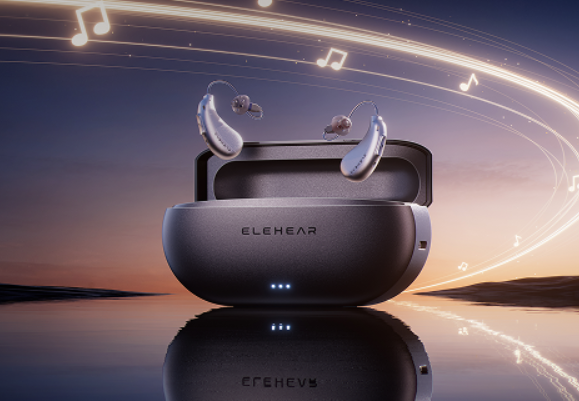
Noise reduction technology separates speech from background sound, making conversations in restaurants, stores, or outdoor settings more manageable. This feature matters more than raw amplification power for most people with mild to moderate loss. Brands like ELEHEAR incorporate advanced noise management that adapts automatically as you move between quiet and noisy environments.
Rechargeable batteries eliminate the ongoing cost and inconvenience of disposable batteries. You simply place devices in their charging case overnight, similar to wireless earbuds. This feature particularly benefits people with limited dexterity who struggle with tiny battery compartments.
Bluetooth connectivity allows direct audio streaming from smartphones, tablets, and televisions. Phone conversations and video calls sound clearer when audio streams directly into your hearing aids rather than competing with environmental noise. This feature enhances usability without adding significant complexity for most users.
Getting the Most From Self-Fitting Processes
OTC hearing aids require self-fitting rather than professional adjustment. Quality manufacturers provide clear instructions and support tools, but success depends on your willingness to experiment and adjust settings over the first few weeks.
Start by finding physical comfort. Most OTC devices include multiple dome or tip sizes to fit different ear canal shapes. The correct size creates a seal that prevents whistling feedback while remaining comfortable for all-day wear. Trying different sizes systematically helps you identify the best fit.
Volume and program adjustments require patience. Begin with lower volume settings and gradually increase amplification over several days. Your brain needs time adjusting to sounds it hasn’t processed clearly in months or years. Sudden full amplification often feels overwhelming and may cause you to abandon devices prematurely.
Use manufacturer apps or controls to test different listening programs in your actual daily environments. Try one setting during quiet morning routines, another during busy afternoon errands, and a third during evening television watching. This experimentation identifies which settings work best for your lifestyle patterns.
Understanding Limitations and Realistic Expectations
OTC hearing aids provide genuine hearing improvement for appropriate candidates, but they’re not miracle devices. Setting realistic expectations prevents disappointment and helps you evaluate whether additional professional care might benefit you.
Amplification alone cannot restore perfect hearing. If you’ve had hearing loss for years, certain sound processing abilities may have diminished. OTC devices improve audibility but cannot repair underlying hearing mechanisms. Most users experience significant benefit while recognizing some challenging listening situations remain difficult.
Complex or severe hearing loss typically requires professional intervention. If you try OTC devices following manufacturer guidelines without satisfactory improvement after the adjustment period, consider professional evaluation. You may have hearing patterns requiring customized programming or alternative intervention strategies.
Background noise presents challenges for all hearing aid types, including prescription models. While modern OTC devices include noise management features, they cannot eliminate background sound completely. Learning communication strategies like positioning yourself to see speakers’ faces complements device technology.
Making Confident Purchase Decisions
Research thoroughly before purchasing. Compare devices from established manufacturers with strong return policies and customer support. Read reviews from users with similar hearing challenges rather than focusing solely on technical specifications.
Verify the return policy duration and conditions. Quality manufacturers offer at least thirty-day trial periods with full refunds if devices don’t meet your needs. This trial period is essential because individual responses to hearing aids vary significantly.
Budget realistically beyond initial purchase price. Consider whether you prefer rechargeable devices or ongoing battery costs. Factor in potential accessories like cleaning tools, protective cases, or connectivity adapters. Understanding total ownership cost prevents unexpected expenses.
Customer support availability matters significantly with self-fit devices. Responsive support teams help troubleshoot fitting issues, explain features, and answer questions during your adjustment period. This support often determines whether you successfully adapt to devices or abandon them in frustration.
Taking the First Step Forward
Over-the-counter hearing aids represent a genuine breakthrough in hearing healthcare accessibility. They remove financial and logistical barriers that prevented millions from addressing hearing loss. While not appropriate for everyone, they provide effective solutions for adults with mild to moderate hearing challenges who previously delayed seeking help.
The key to success lies in honest self-assessment, realistic expectations, and willingness to invest time in proper fitting and adjustment. If you recognize yourself in the hearing challenges described and feel comfortable with self-directed healthcare decisions, OTC options deserve serious consideration. Taking control of your hearing health today prevents the social isolation and communication frustration that gradually erodes quality of life when hearing loss remains unaddressed.