

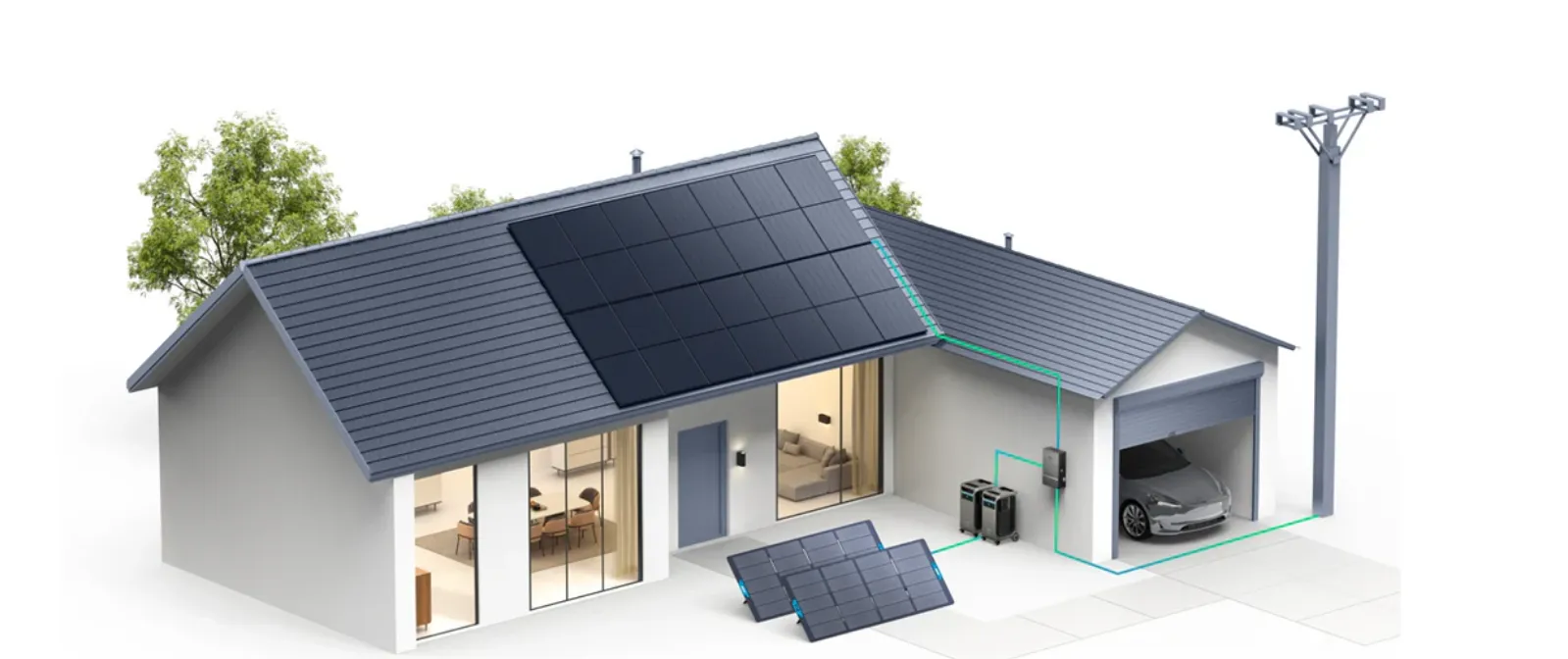
Choosing portable power station capacity starts with one simple goal: knowing how much energy you need and for how long. Capacity affects whether you can recharge a phone a few times, run camping gear overnight, or keep essential home devices working during an outage. A unit that is too small will fall short when it matters, while an oversized system can add unnecessary cost and weight. This guide explains watt-hours, runtime, daily energy use, and key buying factors so you can select the right portable power setup for travel, outdoor use, backup power, or emergency preparedness with confidence.
Understanding Portable Power Station Capacity and Why It Matters
What Does Watt-Hour Capacity Mean in a Portable Power Station?
Watt-hour capacity tells you how much energy a portable power station can store in its battery. A watt-hour, written as Wh, represents one watt of power used for one hour. For example, a 500Wh unit can theoretically power a 50W device for about 10 hours before losses are considered. This number is the clearest starting point when comparing models because it reflects total stored energy, not just output strength. Portable power stations can range from compact 192Wh options for small electronics to large systems reaching 53.8kWh for serious backup needs, giving buyers solutions for both short trips and extended power support.
How Capacity Affects Runtime and Device Support
Capacity directly affects runtime because a larger battery stores more usable energy. If you power a 100W appliance from a 1,000Wh station, you can expect roughly 8 to 9 hours of operation after accounting for inverter and conversion losses. Capacity also determines how many devices you can support at once and how long you can keep them running. Small stations handle phones, tablets, cameras, and lights well, while larger systems can support refrigerators, power tools, routers, and medical devices. Choosing enough capacity helps prevent constant recharging, improves backup reliability, and gives you more flexibility during travel, camping, or home power interruptions.
How to Calculate the Right Portable Power Station Capacity for Your Needs
Estimate Your Daily Power Consumption Before Choosing Capacity
Start by listing every device you want to power and how many hours you expect to use each one per day. Multiply the wattage of each device by its daily runtime to get watt-hours. For example, a 60W laptop used for 4 hours needs 240Wh, while a 10W light used for 5 hours needs 50Wh. Add all device totals together to estimate your daily power consumption. Then include a buffer of about 15 to 25 percent for energy losses, charging inefficiency, and unexpected use. This simple calculation gives you a realistic target capacity and helps you avoid buying a portable power station that feels underpowered the first time you rely on it.
Match Battery Capacity With Your Devices and Usage Time
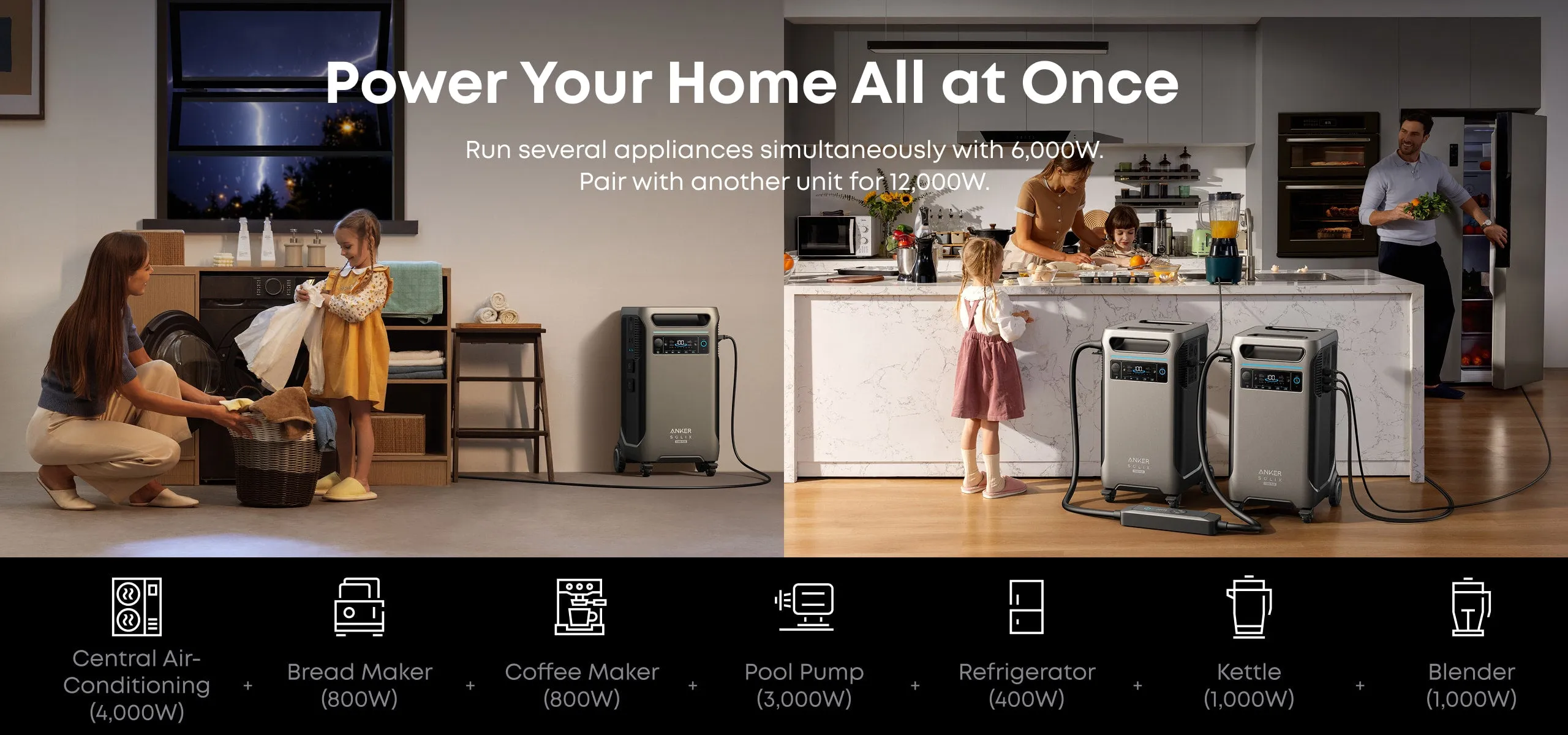
Once you know your daily energy total, choose a battery capacity that covers that number comfortably. If your devices need 700Wh per day, a 1,000Wh portable power station usually gives a safer operating margin than a 700Wh unit. Also check device starting and running power, because capacity alone does not guarantee compatibility. Some appliances draw short surge loads when they start. For larger backup needs, a model such as the Anker SOLIX F3800 Plus combines 3,840Wh capacity with 6,000W AC output, supports both 120V and 240V appliances, and expands up to 26.9kWh. It also offers up to 3,200W solar input, gas generator charging on supported setups, and long-life LiFePO4 performance for extended use.
Choosing Capacity Based on Different Power Usage Scenarios
Small Capacity Options for Travel and Basic Electronics
Small-capacity portable power stations are best for light, mobile use. They work well for phones, tablets, cameras, wireless speakers, drones, and LED lights during day trips, flights, commuting, or short overnight stays. In the lower capacity range, portability matters most, so compact size and easy carrying often outweigh long runtime. These models are a practical choice when you mainly need USB charging and a little AC support rather than continuous power for larger equipment.
Medium Capacity Solutions for Camping and Outdoor Activities
Medium-capacity units suit camping, tailgating, fishing trips, and mobile outdoor work where you need more than phone charging. They can support items like portable fridges, laptops, fans, lighting, projectors, and small cooking devices for several hours. This range often offers the best balance between runtime and portability, making it a strong fit for weekend use. If you plan to recharge with solar panels, medium-capacity stations also provide helpful flexibility for longer stays off-grid.
Higher Capacity Systems for Home Backup and Emergency Power
Higher-capacity systems are designed for serious energy demands, especially during outages or extended off-grid use. They can keep essential home devices running, including refrigerators, routers, CPAP machines, lights, communication equipment, and some larger appliances. They are also a strong choice for RV setups, DIY workstations, and emergency preparedness. Anker Solix portable power stations are built for this role with reliable, eco-friendly backup power, silent operation, no fumes, and flexible charging from outlets, solar panels, or on select models, gas generators. Larger expandable systems provide longer runtime and better resilience when grid power is unavailable.
Key Factors That Influence Your Portable Power Station Choice
Consider Output Power, Charging Speed, and Expansion Options
Capacity is only one part of the decision. Output power determines what devices the station can actually run at the same time, while charging speed affects how quickly you can restore power between uses. Fast AC charging helps at home, and strong solar input matters for camping, RV travel, and emergency planning. Expansion options are also valuable because they let you increase storage later instead of replacing the unit. Features such as app-based monitoring, multiple port types, and support for clean charging sources improve usability. A well-matched system should store enough energy, deliver enough output, and recharge fast enough for your real-world routine.
Balance Portability With Battery Capacity Requirements
The best portable power station is not always the one with the biggest battery. Larger capacity usually means more weight, larger dimensions, and less convenience when moving between locations. If you travel often, carry gear by hand, or pack light for outdoor trips, a smaller unit may serve you better despite shorter runtime. For home backup, portability matters less than endurance and appliance support. Think carefully about where the unit will live, how often you will move it, and whether lifting and transport will be part of normal use. Matching battery size to your mobility needs helps you choose a setup that stays practical every day.
Conclusion
Choosing portable power station capacity becomes much easier once you calculate your daily energy use, check device wattage, and match runtime expectations to real situations. Watt-hours tell you how much energy you have, while output power tells you what you can run. Small units fit travel, mid-size models support camping, and larger expandable systems make sense for home backup and emergencies. Anker Solix portable power stations offer a wide capacity range, durable LiFePO4 batteries, and flexible charging options to cover these needs. Focus on energy demand first, then portability, charging speed, and expansion, and your final choice will be both practical and reliable.