

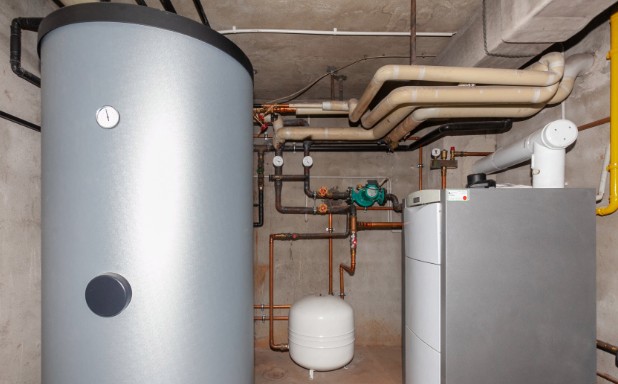
A boiler may appear to operate normally while individual rooms remain noticeably cooler than others. Some radiators might become hot quickly, while others warm slowly, develop cold sections, or never reach the expected temperature. These differences can provide useful clues about how effectively heated water is moving through the system.
Uneven heating does not automatically identify one failed component. Radiators, valves, circulation equipment, system balance, and other conditions can influence how heat reaches different areas. Boiler Repair becomes relevant when persistent temperature differences cannot be explained by ordinary settings or simple accessible checks.
Homeowners can help by observing patterns without opening equipment or making technical adjustments. Climate Systems Air Conditioning & Heating works with hydronic heating systems where room-level symptoms can provide valuable context during diagnosis. Knowing which radiators are affected, when problems appear, and how conditions change during a heating cycle can make service conversations more informative.
Boiler Comfort Depends on Effective Water Circulation
Many residential boiler systems transfer heat by circulating heated water through pipes connected to radiators, baseboards, or other distribution components. Heat must reach these areas effectively before rooms can warm as expected. A boiler producing heat does not necessarily mean every part of the distribution network is receiving it properly.
Circulation problems can create noticeable differences throughout a house. Radiators closer to certain parts of the system may warm normally while more distant units respond slowly. In other situations, an entire floor or particular branch may seem less comfortable.
The location of affected rooms therefore matters. A pattern involving several nearby radiators provides different information from a single radiator behaving differently from every other unit.
Compare Radiators Rather Than Judging One in Isolation
Homeowners often first notice uneven heating because one room feels cold. Checking how other radiators behave can provide more useful information than focusing exclusively on the uncomfortable space.
Compare how quickly different radiators begin warming after the heating cycle starts. Note whether affected units remain completely cold, warm only partially, or eventually reach a similar temperature after a much longer period.
Climate Systems Air Conditioning & Heating can consider these differences alongside system operation during an evaluation. A clear room-by-room description helps establish whether the concern appears isolated or follows a broader circulation pattern.
Cold Sections Can Provide Useful Diagnostic Clues
A radiator does not always remain uniformly cold when distribution is affected. Homeowners may notice that one section feels warm while another remains noticeably cooler. The location and consistency of that temperature difference can be worth reporting.
Notice Where the Temperature Changes
A radiator that is cool in one area presents a different observable pattern from a unit that never warms at all. Homeowners can describe these differences without attempting to determine the internal cause themselves.
Check Whether the Pattern Repeats
An occasional difference during initial warm-up may not mean the same thing as a condition that remains throughout every heating cycle. Repeated observations provide better context than a single momentary check.
These details help turn a general complaint about a cold room into a more specific description of system behavior.
Trapped Air May Affect Heat Distribution
Air within parts of a hydronic system can sometimes interfere with normal heat distribution. Homeowners may associate this condition with radiators that heat inconsistently or produce certain water-related noises during operation.
However, uneven heating should not automatically be attributed to trapped air. Similar comfort symptoms can result from other circulation, control, or distribution conditions. Repeatedly performing adjustments without understanding the cause may delay appropriate diagnosis.
Residents should follow manufacturer instructions and professional guidance for any homeowner-level procedure applicable to their equipment. Boiler systems can contain hot water and pressurized components, so unfamiliar technical work should be left to trained professionals.
Radiator Valves Can Influence Individual Rooms
Radiators may include valves or controls that influence how heated water reaches them. If one room becomes unexpectedly cooler, the condition of accessible controls may be relevant to the investigation.
Homeowners can confirm whether an accessible control has been unintentionally changed, provided they understand its normal operation. They should avoid forcing stuck components or dismantling valves in an attempt to restore heat.
Boiler Repair should address the actual reason a radiator is not performing normally. If an accessible setting does not explain the problem, further evaluation can determine whether the issue lies elsewhere in the heating system.
Circulation Equipment Plays an Important System Role
A boiler needs more than heated water to distribute comfort throughout a property. Depending on the system design, circulation components help move that heat through the connected piping network.
A change in circulation can affect multiple heating areas rather than producing one obvious equipment shutdown. Residents may notice slower warm-up, inconsistent room temperatures, or certain radiators receiving less heat than expected.
Climate Systems Air Conditioning & Heating can evaluate circulation-related concerns within the complete system rather than assuming that a cold radiator identifies one specific component. Technical testing is important because similar symptoms can develop for different reasons.
System Balance Can Affect Which Areas Warm First
Hydronic heating systems serve multiple rooms through connected pathways. How water moves through those pathways can influence how evenly heat is distributed, particularly when different sections of the property have different heating demands.
A longstanding temperature difference may have a different explanation from a new imbalance that appeared recently. Homeowners should mention whether certain rooms have always heated slowly or whether the pattern developed during the current season.
Changes to the home can also provide context. Renovations, altered heating components, or previous system work may be relevant if uneven temperatures appeared afterward.
Thermostat Location Can Shape the Comfort Pattern
The thermostat measures conditions in a particular area rather than every room simultaneously. If the thermostat location reaches its target temperature while another part of the house remains cooler, the heating cycle may end even though occupants elsewhere are uncomfortable.
This does not prove that the thermostat is responsible for uneven radiator temperatures. Building layout, heat loss, sunlight, circulation, and radiator performance can all influence differences between rooms.
Homeowners should therefore report both thermostat behavior and room conditions. Knowing whether the system stops normally while certain spaces remain cold gives a professional additional context for evaluating the complaint.
Building Conditions Can Resemble Boiler Problems
Not every cold room points directly to the heating equipment. Windows, insulation, exterior walls, drafts, ceiling height, and room exposure can influence how quickly a space loses heat.
Consider whether the affected room has always been difficult to heat. A longstanding comfort difference may involve building characteristics, while a sudden change in a previously comfortable room may deserve closer system evaluation.
Comparing current performance with previous heating seasons is particularly helpful. Historical behavior gives technicians a baseline for understanding what has changed.
Keep Notes About When Uneven Heating Occurs
Intermittent heating problems can be difficult to describe after the system begins behaving normally again. Simple notes can preserve details that might otherwise be forgotten before an appointment.
Record which rooms are affected, how radiators feel during operation, and approximately how long the system has been running. Mention unusual noises or other changes that appeared around the same time.
Boiler Repair benefits from accurate observations because uneven comfort alone can have multiple causes. A documented pattern helps direct professional attention without requiring homeowners to diagnose technical components themselves.
Avoid Correcting Symptoms With Repeated Adjustments
A cold room may tempt residents to continually raise the thermostat or change several radiator settings. These adjustments can make the original operating pattern harder to understand and may cause other rooms to become unnecessarily warm.
Instead, make only familiar homeowner-level changes supported by equipment instructions. Persistent problems deserve evaluation rather than an expanding series of experiments intended to force more heat into one area.
Professional diagnosis can consider circulation, controls, radiator behavior, and other relevant conditions together. That broader approach is more useful than assuming every uneven temperature requires the same correction.
Use Heating Patterns to Support Better Diagnosis
Uneven radiator heating is valuable information because it shows how comfort is being distributed throughout the home. One cold radiator, several slow radiators, or an entire section heating differently can each create a distinct pattern worth reporting.
Homeowners can contribute by comparing rooms, noting timing, identifying recent changes, and describing whether the problem is new or longstanding. They should leave internal boiler work and unfamiliar adjustments to professionals who can evaluate the system safely.
A boiler should do more than generate heat at the equipment itself. That heat must reach the spaces where people need it. Recognizing changes in radiator performance can help residents seek appropriate evaluation before uneven comfort simply becomes accepted as a normal part of winter.